
Plc Splitter From Optical Splitting Principle To High Precision Fiber
Search optical fiber, connectivity, cable management and network infrastructure references.
-
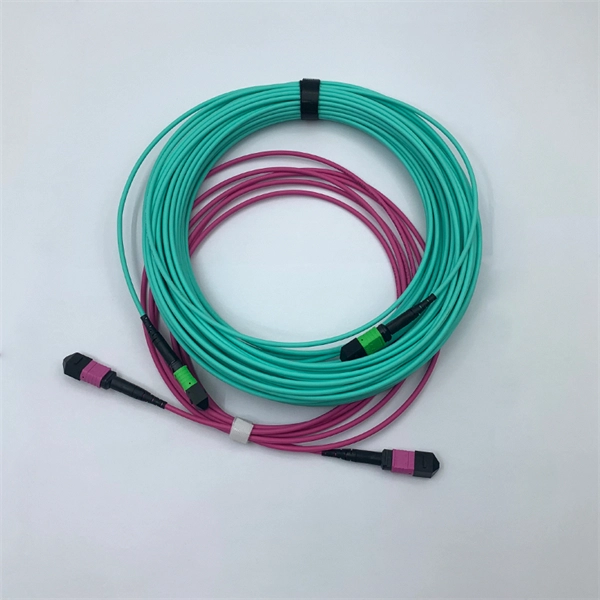
Working Principle of the Optical Splitter Patent
An optical power splitter for splitting the power of a light beam "A" of an arbitrary polarization into two light beams "M" and "N" having an adjustable power ratio between the beams, the power ratio being substantially independent of the polarization of the light beam "A"...
[PDF Version]
-

Optical Splitter and Splitting Method
A fiber-optic splitter, also known as a, is based on a of an integrated waveguide power distribution device, similar to a The system uses an optical signal coupled to the branch distribution. The splitter is one of the most important in the link. It is an optical fiber tandem...
-
Principle of Communication Optical Splitter
A fiber-optic splitter, also known as a, is based on a of an integrated waveguide power distribution device, similar to a The system uses an optical signal coupled to the branch distribution. The splitter is one of the most important in the link. It is an optical fiber tandem...
-
PLC Fiber Optic Splitter Principle
A PLC splitter is a passive optical device that divides one incoming optical signal from an input fiber into multiple output signals across several output fibers. PLC splitters utilize a planar lightwave circuit chip made of silica glass waveguides to distribute the optical...
[PDF Version]
-
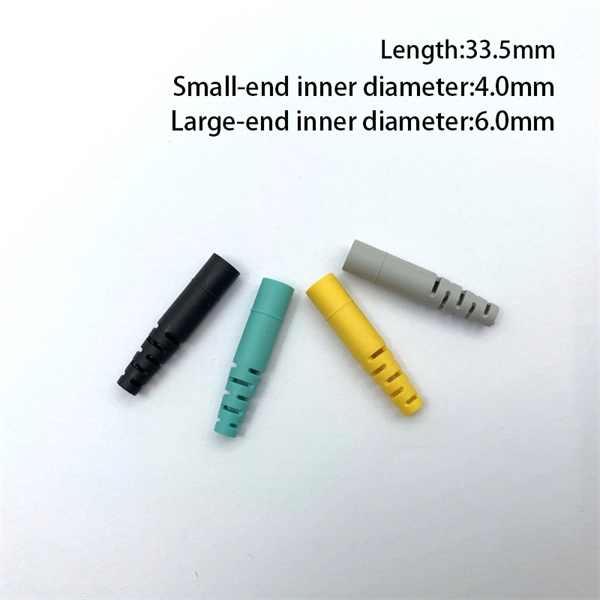
Do both ends of the optical fiber in a splitter need to be used
These passive devices split an input optical signal into two or more output paths, allowing the signal to be transmitted to different terminals. They have been used since the 1980s to create networks and provide the technology for today's passive optical networks used in...
[PDF Version]
-
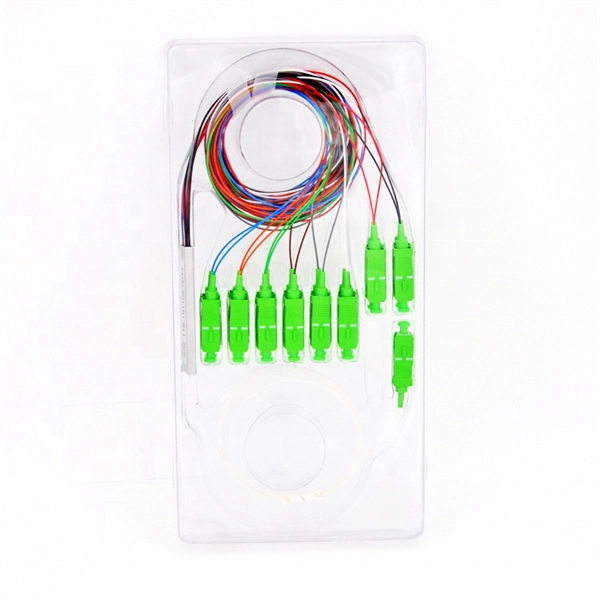
What are the components of an active optical splitter
It consists of three layers: substrate, waveguide and cover. Waveguides play a key role in the splitting process that allows a specific percentage of light to pass through. So the signal can be divided equally. When comparing active vs passive optical splitters, the real...
[PDF Version]
-
Working principle of single-fiber bidirectional optical fiber
Bidirectional (BiDi) Small Form-factor Pluggable transceivers utilize internal WDM diplexers to transmit and receive optical signals over a single strand of fiber using asymmetric wavelengths. By reading this blog, you will understand how SFP BiDi technology allows you to...
[PDF Version]
-
PON network and optical splitter
In a PON network, a device called an optical line terminal (OLT) is placed at the head end of the network. A single fiber-optic cable runs from the OLT to a nonpowered (passive) optical beam splitter, which multiplies the signal and relays it to many optical network . In the...
Explore the next connection
- Quality Requirements for Data Center Cable Trays
- Length requirements for white tubes used in optical distribution boxes
- What s the best way to secure outdoor fiber optic cables
- Basic Principles and Usage of Optical Modulators
- Angola Cable Tray Specifications and Models
- Fiber optic cable being laid
- Problems exist at the fiber optic cable line maintenance station
- Construction Drawings of Cable Trays in Computer Room
- Processing Stainless Steel Mesh Cable Trays