
Fiber connection and distribution references
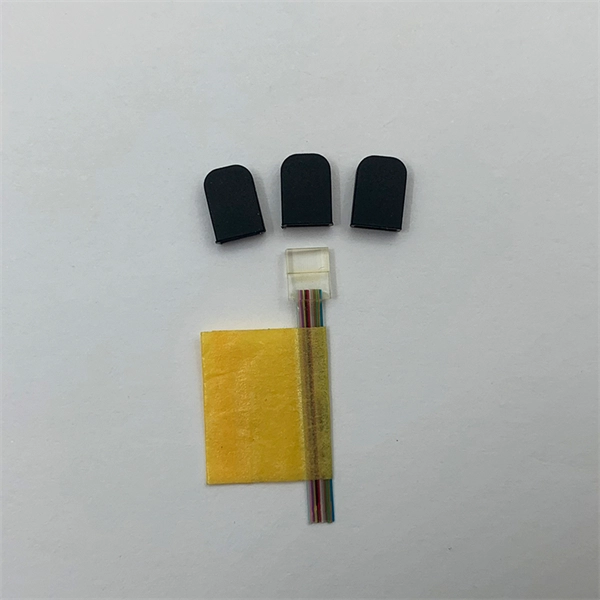
How Does a PLC Splitter Work? An In-Depth Technical Guide
A PLC splitter is a passive optical device that divides one incoming optical signal from an input fiber into multiple output signals across several output fibers.
PLC Splitter: The Ultimate Guide to Efficient Light
📜 How Does a PLC Splitter Work? The principle is based on light propagation. When a light signal enters the splitter, it travels through these
Fiber Optic Splitter: How It Works & Types Guide
At its core, a fiber optic splitter relies on the principles of light reflection, refraction, and waveguiding to divide signals. Its design varies by type,
What Is PLC Splitter and How Does it Works?
PLC fiber splitter design consists of one optical PLC chip and several optical arrays depending on the output ratio. The optical arrays are coupled on
PLC Splitter: From Optical Splitting Principle to High-Precision Fiber
As a core device in FTTH and PON networks, a PLC splitter is not just about “splitting light” — it''s about delivering stable, low-loss, and uniform optical power distribution at scale.
Ultimate Guide to Optical Splitters for FTTH & GPON
Master optical splitter selection for FTTH & GPON networks. Compare PLC vs FBT, analyze insertion loss charts, and optimize your ODN architecture today.
Fiber Optic Splitter Working Principle: An Overview
PLC splitters work based on the principle of waveguide optics. The input fiber is aligned with the waveguide structure on the chip, which splits the optical power into multiple output fibers.
Comprehensive Guide to Optical Splitters
The PLC splitter is based on integrated waveguide technology on a quartz substrate, which helps improve the coupling, branching, and distribution
Optical Splitters in Modern Networks
Fiber Optic Splitter Working Principle Specifically speaking, a passive optical splitter can split, or separate, an incident light beam into several light beams at a certain ratio.
How to Calculate Splitter Loss in Optical Fiber
As an expert in fiber optic technology at SDGI Cable, we highlight the importance of precision when designing an optical network. Our goal is to eliminate confusion around fiber optic
Fiber Optic Distribution Box Application and Research Report
This report discusses the application and research of the Fiber Optic Distribution Box (FDB), systematically explaining its basic concepts, functional structure, operating principles,
Sourcing PLC Splitter: A Complete Buyer''s Guide
PLC Splitters are indispensable components in fiber optic networks, offering reliable, high-performance signal splitting for a variety of applications.
Fiber Optic Products Manufacturer Wholesale Supplier China | OPELINK
OPELINK Founded in 2013, in China, is a leading worldwide manufacturer, supplier and wholesale of passive and active fiber optic products, components and equipment. main products include: Optical
Optical Splitters: Split Ratios, Splitting Architectures & PON Network
This guide focuses on two critical aspects of optical splitters that define FTTH performance: split ratios (how signals are divided) and splitting architectures (how splitters are
Your Go-to Guide to Optical Splitter
The optical splitter is an optical power distribution device that splits one optical signal into multiple optical fiber signals to achieve multichannel transmission.
Langzhi: GPON EPON OLT ONU & SFP Manufacturer
Langzhi China is a professional FTTH equipment manufacturer specializing in GPON/EPON OLT, ONU/ONT, and SFP modules compatible with Huawei &
Understanding Optical Coupler and Optical Splitters
Bandwidth coupler and splitters are some of the most important passive devices which are widely used in a number of applications for improving the performance of the whole system in one
What Is a PLC Optical Splitter? Guide
Introduction: What Is a PLC Optical Splitter? A PLC (Planar Lightwave Circuit) optical splitter is a passive optical device that takes one or two incoming optical signals and divides them
Related Video Reference
This video was associated with the source search result. Verify technical details against current product documentation and project requirements.