
Fiber connection and distribution references
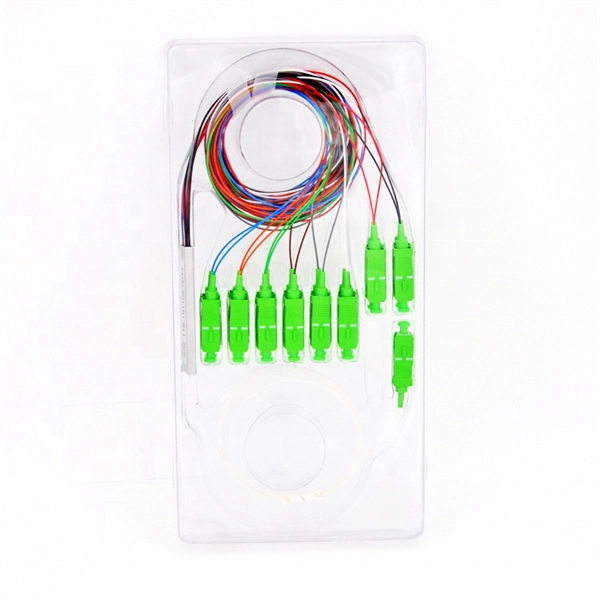
Active vs Passive Optical Splitter: Key Differences Explained
Learn the difference between active vs passive optical splitters, including working principles, use cases, and how to choose for FTTH and FTTx networks.
Active Optical Splitters: A Comprehensive Overview
In contrast, AOSs incorporate active components, such as semiconductor optical amplifiers (SOAs) or optical switches, allowing for dynamic control over the signal splitting ratio and signal routing.
Optical Splitters: Split Ratios, Splitting Architectures & PON Network
This guide focuses on two critical aspects of optical splitters that define FTTH performance: split ratios (how signals are divided) and splitting architectures (how splitters are
Optical Splitters Demystified: The Silent Heroes
An Optical Splitter, also known as a beam splitter, is a passive optical device that divides a single input optical signal into two or more output
Active vs Passive Splitter — Full Comparison | TTI Fiber
Understand the key differences between active and passive fiber optic splitters — power, signal loss, cost, and when to use each type.
Fundamentals of Optical Splitters » SENKO Advanced
This article explores how optical splitters are manufactured, their operating principles, and their diverse applications. What Are Optical Splitters? Optical
Comprehensive Guide to Optical Splitters
In an optical splitter, the input optical signal is divided into multiple output optical signals, and the energy distribution ratio of each output optical
Fiber-optic splitter
It is an optical fiber tandem device with many input and output terminals, especially applicable to a passive optical network (EPON, GPON, BPON, FTTX, FTTH etc.) to connect the main distribution
Knowledge of Optical Splitters
It consists of three layers: substrate, waveguide and cover. Waveguides play a key role in the splitting process that allows a specific
Introduction to Passive Optical Network Splitter Architectures
The splitters are stand-alone, not co-located with other splitters. In this scenario, the splitter is most often located in a closure or pedestal in the outside plant.
Optical Splitters Demystified: The Silent Heroes
While the optical splitter handles the distribution, the optical transceivers are the tireless engines powering the data. For network engineers
What Is an Optical Splitter?
An optical splitter, also known as a fiber optic splitter or beam splitter, is a passive device used in fiber optic networks to divide or split an incoming optical
How Optical Splitter Works
By using passive splitters, networks can distribute signals to multiple endpoints, making them more efficient and reliable. In conclusion, optical splitters are an essential component of
Your Go-to Guide to Optical Splitter
Planar Lightwave Circuit Splitter / PLC Splitter The PLC optical splitter is a micro-optical component that involves semiconductor technology. As the name implies,
Active vs Passive Optical Splitter: Key Differences Explained
In fiber optic access networks, the optical splitter serves as more than a simple distribution component. It directly determines how bandwidth is shared, how far signals travel, and
Exploring the World of Fiber Optic Splitter Devices
Discover the benefits of fiber optic splitters! Learn how optical splitters enhance signal distribution and explore our range of fiber optic devices today.
Active vs Passive Splitter — Full Comparison | TTI Fiber
What Is the Difference Between Active Splitter and Passive Splitter? For fiber optics and signal distribution, splitters are essential components. However, not all splitters are created equal.
Comprehensive Guide to Optical Splitters
An optical splitter is a crucial passive fiber optic device that splits and combines optical signals. It can distribute the optical energy transmitted through
Related Video Reference
This video was associated with the source search result. Verify technical details against current product documentation and project requirements.