
World Record 450 Tb S Transmission Over A Metropolitan Link Using
Search optical fiber, connectivity, cable management and network infrastructure references.
-

10G optical module transmission rate
These modules support a data transmission rate of 10 Gbps and typically use LC duplex connectors for fiber connections. Designed for use with single-mode fiber, 10GBASE-LR modules can achieve greater reach than their multimode counterparts, such as 10GBASE-SR. 10GBASE-LR is a...
[PDF Version]
-
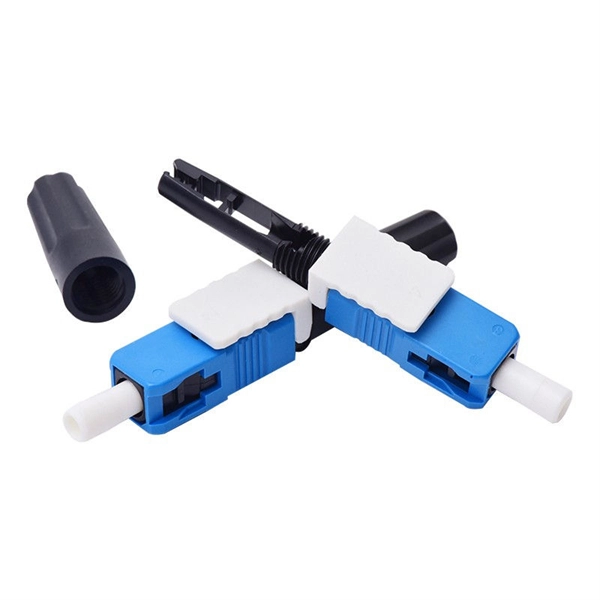
Fiber Optic Broadband Transmission
Fiber optic cables are essential components in modern data transmission infrastructure. They support high-speed, interference-resistant communication and are particularly effective in applications that require high bandwidth, low latency, and strong signal integrity. It...
[PDF Version]
-

Transmission Relay Protection Principle
Differential Relay: Compares currents at two points; operates when there is a difference (used in transformers and generators). Its main purpose is to safeguard electrical equipment like transformers, generators, and transmission lines from damage due to. It covers the...
[PDF Version]
-
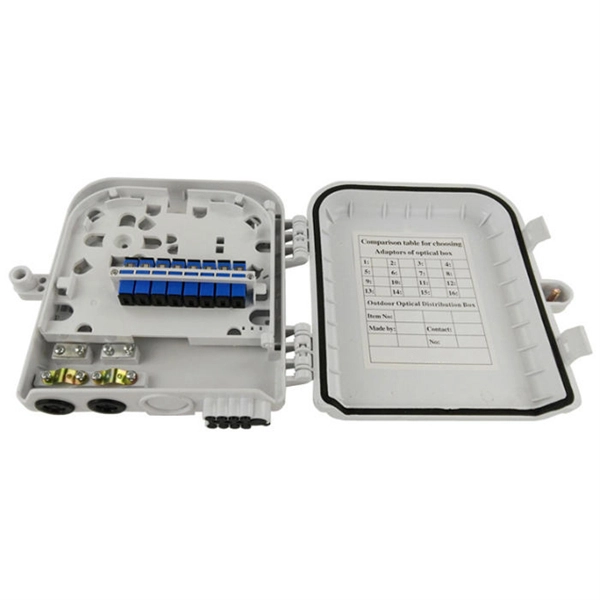
Multimode optical cable transmission of single-mode signals
Multimode fiber cables are the type of fiber cables that transmit data via their core of larger diameters enable an average, single-mode transceiver multiple modes of light to propagate through it. This design minimizes signal loss and enables data to be transmitted over...
-
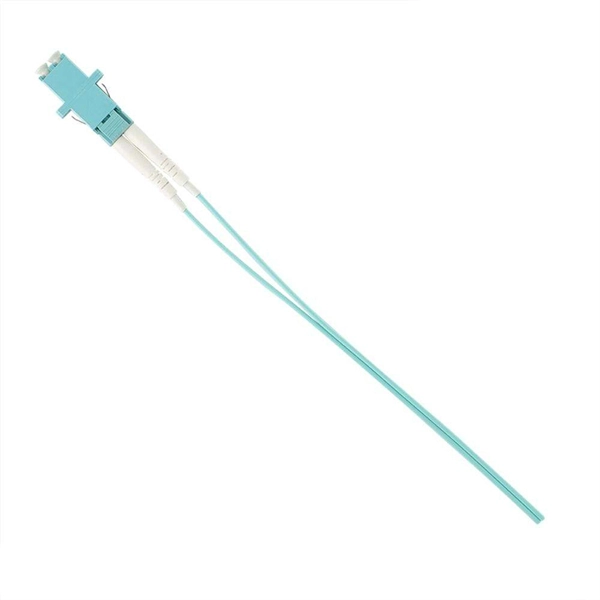
Transmission distance of 4-core single-mode optical cable
A: For most applications, the maximum distance of a single-mode cable is around 160 kilometers. Single mode fiber can transmit light signals over 100+ kilometers without amplification. Multimode cable categories use the prefix OM, while singlemode cable categories use the...
-
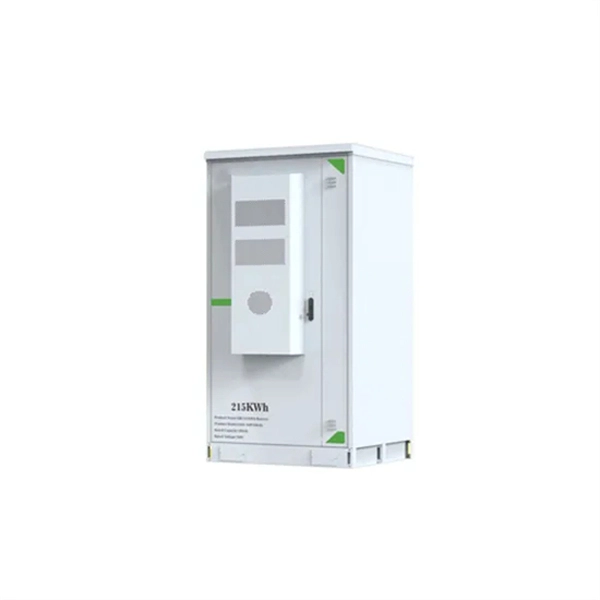
Can a fiber optic splitter select the transmission path
There is no selection via fiber jumper to a group, or geography of addresses. These are most often housed in closures or pedestals. Exploring further, there are diferent sub-characterizations of both “Centralized and Distributed” splits that are illustrated for your review...
[PDF Version]
-
Principles of Fiber Optic Transmission in Telecommunications
Fiber optic cables transmit data by converting electrical signals into optical signals, using a process called signal modulation. Modulation techniques, such as amplitude modulation (AM),frequency modulation (FM), or phase modulation (PM), are applied to encode data onto the...
[PDF Version]
-

Introduction to the transmission distance of optical modules
The transmission distance of optical modules is divided into short distance, medium distance, and long distance. 850nm (with multi-mode MMF), low cost but short transmission distance, 100M rate can transmit 2km farthest; 1G rate can transmit 550m farthest; 10G rate can...
Explore the next connection
- Is the level 3 distribution box grounded
- How to install an outdoor distribution box on a wall
- Fiber Optic Drop Cable Splicing Method
- Cold-pressed power line connectors
- Are optical modules more expensive or electrical modules more expensive
- Test of Optical Wavelength Division Multiplexing Characteristics
- What is a twelve-core single-mode optical fiber
- Where in the data center are pigtail boards used