
Fiber connection and distribution references
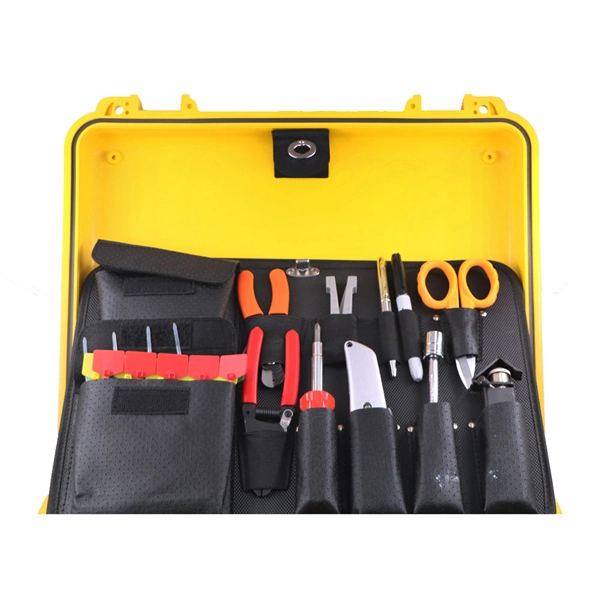
How To Terminate Fiber Optic Cable: Connectors
Learn how to terminate fiber optic cable using mechanical connectors or fusion splicing. We cover the tools, cleaning, and testing for low
Fiber Optic Cable Splicing Methods: A Practical Guide
The two primary industry-accepted methods for fiber optic cable splicing are fusion splicing and mechanical splicing. The choice between them depends on performance requirements,
Everything you need to know about fiber optic termination
We terminate fiber optic cable two ways - with connectors that can mate two fibers to create a temporary joint and/or connect the fiber to a piece of network gear or
Fiber Optic Splicing: A Complete Guide | Jonard Tools
This guide will walk you through the complete process of fiber optic splicing—covering each step in detail so you can deliver a clean, professional
Understanding Fiber Termination Techniques: Splicing vs. Connectors
Understanding the difference between splicing and connectors is essential for designing an efficient and reliable fiber optic network. While splicing offers unmatched performance and
Figure 8 Fiber Optic Drop Cable
The instructions in this document explain how to prepare end openings of the Prysmian Figure 8 Fiber Optic Drop Cable for termination. The document also covers applications notes including the use of
Fibre Optic Termination Techniques – Wray Castle
We''ll cover everything from connector end-face geometry to step-by-step procedures for both field termination and splice-based approaches. Poor termination remains one of the main
DRAFT Preparation Guide_OFC_Drop-Lite Optical Fiber Cables
It is not all inclusive and is only one method of preparing the cables for splicing in a closure or enclosure. It also features common issues encountered during preparation and highlights best practices and
The Ultimate Guide to Splicing of Fiber: Techniques and Tips
Master fiber splicing with Phoenix Communications in Shrewsbury, MA. Discover expert techniques and tips for boosting network performance and reliability.
How to Find and Repair Breaks in a Fiber Optic Cable
This guide provides a detailed roadmap for locating and fixing fiber optic cable breaks, covering detection techniques, repair methods, and best practices. With CommMesh''s advanced
How to Install a Fiber Optic Termination Box (FTTH Steps)
Learn how to install a fiber optic termination box step-by-step for FTTH projects. Covers mounting, splicing, routing, labeling, and testing for indoor/outdoor use.
How to Identify & Prevent Optical Fiber Cable Damage
Learn how to detect and repair damaged fiber optic cables. Visual checks, OTDR testing, IEC compliance, and waterproof maintenance tips for
The FOA Reference For Fiber Optics
Fiber To The Home Network Design There is really no way to generalize on the design process for fiber to the home (FTTH) networks - or any fiber optic network
FTTH Field-Assembled Fiber Optic Connector TK-FC-SCA-B001
Product Description FTTH Field-Assembled Mechanical Fiber Optic Connector TK-FC-SCA-B001 TAKFLY Mechanical Field-Mountable Fiber Optic Connector (FMC) simplifies fiber connections
Fiber Optic Cable
Belden''s extensive line of indoor and outdoor cable products is offered in tight buffer and loose tube designs. Learn more about each fiber cable Belden has to offer.
Optical fiber cold splicing and hot melting steps
Optical communication is now the dominant network transmission method in society, which is nothing more than because it has many advantages and is now a new transmission
Hardware for ADSS Cable
ADSS Accessories include Tension Assembly (Clamp), Suspension Assembly (Clamp), Optical Distribution Frame (ODF)/ Optical Termination Box (OTB), Optical Termination Box, Outdoor Splicing
kyrgyzstan-fiber-optic-cable-junction-box-12-cores
We are the leading cable pulling specialist in the Rhine-Main area, up to 30kV cables. We also offer blowing, splicing, and measuring of fiber optics, as well as pipe calibration and pressure...
Related Video Reference
This video was associated with the source search result. Verify technical details against current product documentation and project requirements.