
Why Use An Mpo Jumper Exploring High Density
Search optical fiber, connectivity, cable management and network infrastructure references.
-
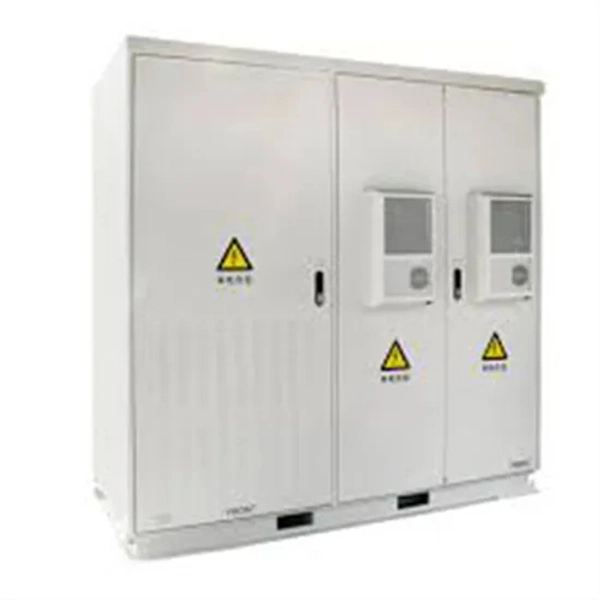
Why do patch panels use flexible core wire boards
Each panel supports T568A and T568B wiring standards, offering flexibility for installers. For high-speed, long-distance transmission, fiber patch panels are used. They manage fiber optic cables with connectors like SC, LC, and ST, ensuring safe cable routing and protection...
[PDF Version]
-
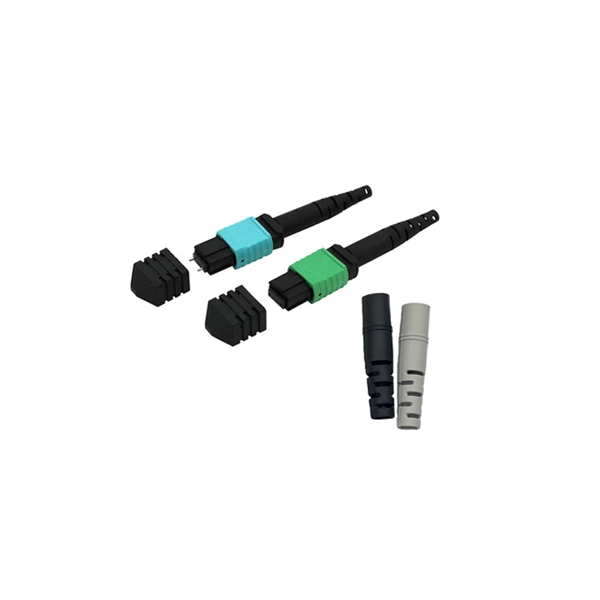
Why do telecommunications companies use cold joints
Cold shrink cable joints have emerged as a leading solution, especially in medium- and high-voltage applications, for their ease of use, consistent performance, and superior sealing capabilities. During installation, the core is. Modern data centers operate around the clock...
-
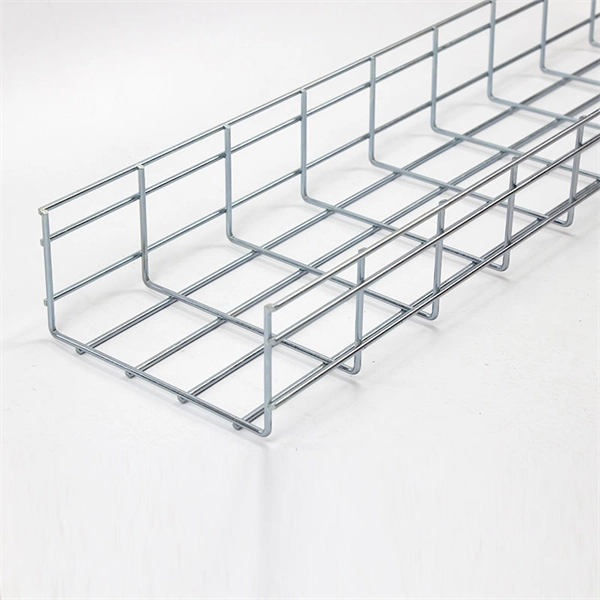
Why it s not recommended to use a KVM switcher
Some KVM switches may not have adequate security features, which can leave the system vulnerable to hacking and other security threats. They don't specify refresh rate for anything other than 4K but I suspect that KVM is going to do no more than 60hz at any resolution, not...
[PDF Version]
-
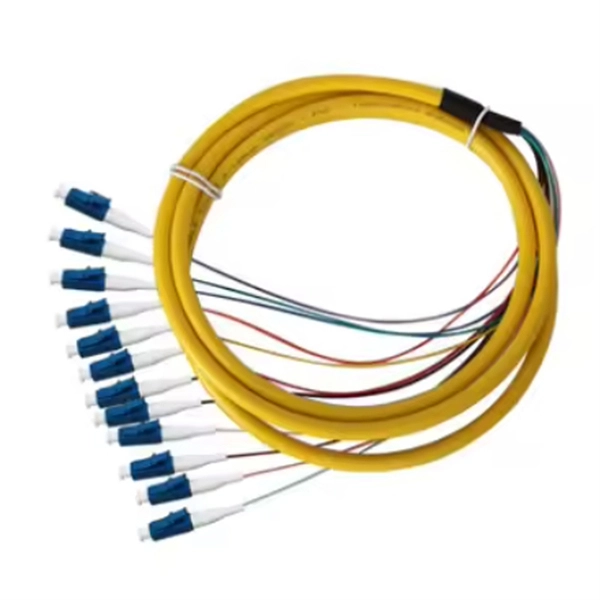
Why use fiber optic junction boxes for wiring
An optical junction box is a vital component in fiber optic networks. It serves as a termination point for fiber optic cables, providing protection and distribution of the optical fibers while ensuring efficient signal transmission. A fiber optic junction box, also known as a...
-
Why use a distribution box when installing a system
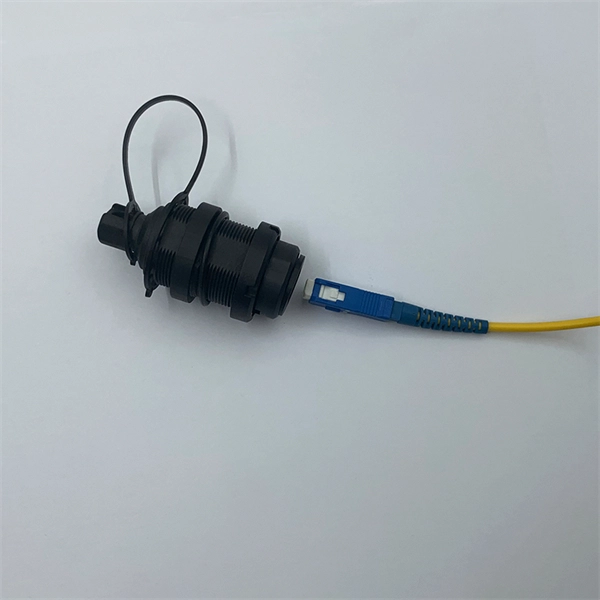
A Distribution Box, commonly known as a DB Box, serves as the central point for safely distributing electrical power from a main supply to multiple downstream circuits. It houses protective devices such as circuit breakers or fuses, ensuring both equipment protection and...
-
Why Use Multimode Fiber
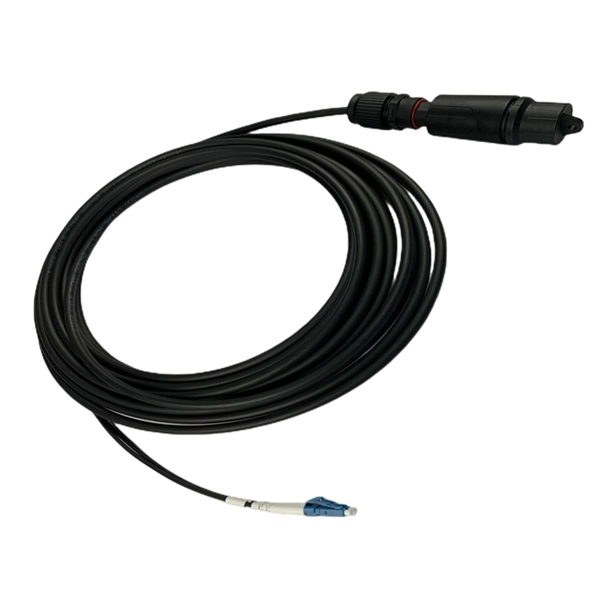
Single Mode vs Multimode Fiber: Pros, Cons,Single mode and multimode fiber differ in how light travels: single mode uses a narrow core and a single laser s.
[PDF Version]
-
Why are optical cable sheaths waterproof
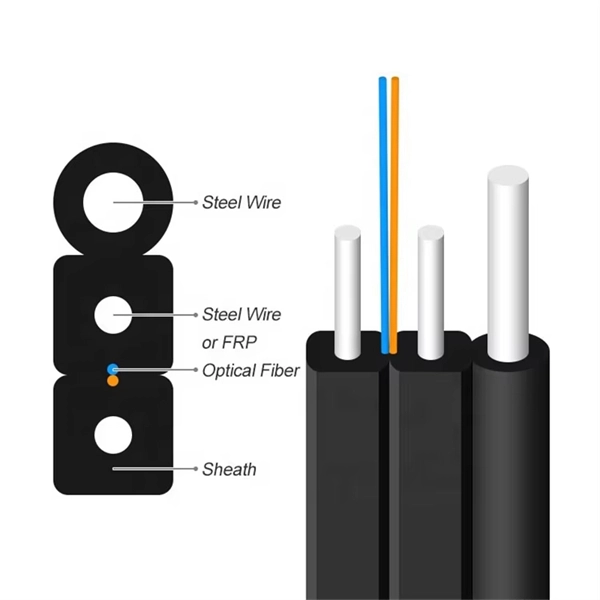
Hydrophobic Coatings: Applied to cable exteriors, these coatings repel water, preventing moisture from adhering to the surface. Usually there are 4 waterproof barriers: Outer sheath, metal tape, water blocking rope and filling compound. It resists water entry while remaining...