
Fiber connection and distribution references
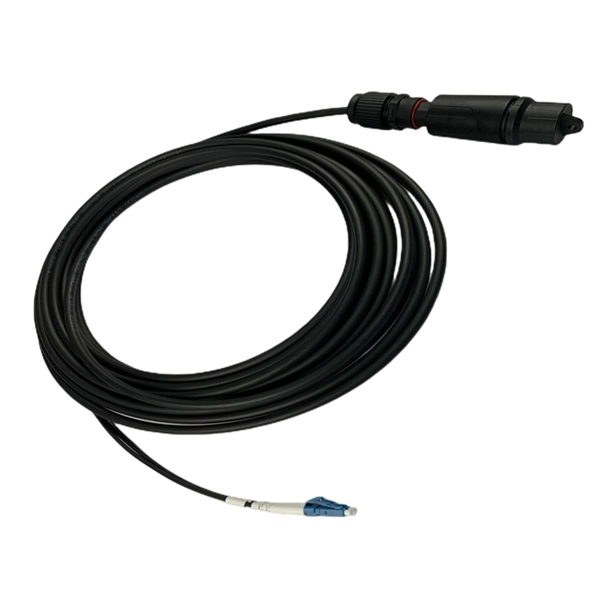
Single Mode vs Multimode Fiber: Pros, Cons,
Single mode and multimode fiber differ in how light travels: single mode uses a narrow core and a single laser signal for long-distance, high-bandwidth
Multimode vs Single Mode Fiber Optic Cables: A Complete Guide to
Costly Overengineering: Using single mode fiber for a 50-meter data center link wastes money (single mode is 2–3x more expensive than multimode). Performance Bottlenecks: Deploying
Single Mode vs. Multimode Fiber Optic Cables
There are two main types of fiber optic cables: single mode and multimode. Although they can do the same job in some instances, the different construction methods make each of them better
Single Mode vs. Multimode Fiber: Core Differences and Selection Guide
In summary, single mode fiber is better suited for long-distance, high-bandwidth, and future-oriented networks, while multimode fiber is often the better choice for short-reach and budget
Everything You Need to Know About Multimode Fiber Cable
Multimode fiber provides a balanced combination of bandwidth, cost, and easy deployment, making it ideal for enterprise, campus, and data center networks. Core diameters
Multimode Fiber Types: OM1 vs OM2 vs OM3 vs OM4 vs OM5
Multimode fiber is a common choice to achieve 10 Gbit/s speed over distances required by LAN enterprise and data center applications. There are several kinds of multimode fiber types
Single Mode vs Multimode Fiber, What is The Difference?
Unlike single mode, multimode fiber (MMF) allows multiple light modes to transmit and pass through. Typically, this fiber includes a large light-carrying core of about 50µm or 62.5µm
Single-Mode vs Multimode Fiber: Differences, Uses, and How to Choose
Single-mode and multimode fiber differ in distance, cost, and performance. Learn their key advantages, applications, and how to choose the right type.
Single Mode vs Multimode Fiber Cable
Multimode fiber cables are the type of fiber cables that transmit data via their core of larger diameters enable an average, single-mode transceiver multiple modes of light to propagate
Fiber Optic Cable Types Explained
Our comprehensive guide to types of fiber optic cables. Learn all about the differences between single mode and multimode cables, as well as the various fiber wavelengths and standard core sizes used
Multi-mode optical fiber
The equipment used for communications over multi-mode optical fiber is less expensive than that for single-mode optical fiber. Because of its high capacity and reliability, multi-mode optical fiber is
Singlemode vs Multimode Fiber Pigtails: How to Choose the Right One
Although they may appear similar at first glance, singlemode and multimode fiber pigtails differ significantly in fiber structure, transmission performance, cost, and application suitability.
Fiber Optic Connector Types: A Beginners Guide
The fiber connector types, sometimes referred to as terminations, link fiber optic cables together through terminals, switches, adapters, and patch
Fiber Optic Pigtail vs Patch Cord: Which One You Should Use (And Why)
Compare fiber optic pigtails and patch cords side by side. Understand key differences in performance, cost, and use cases to make the right choice.
Fiber Joints – connectors, alignment tolerances,
Fiber joints are permanent or removable connections between multimode or single-mode fiber ends. Coupling losses depend substantially on the used technology.
The Complete Guide to Ethernet and Fiber Cabling: Categories, Uses,
It uses more expensive laser optics, but the fiber itself is often cheaper than multimode. It is the standard for carrier, campus, and any long-haul link. The common designations are OS1
Fiber Optic Wavelengths Explained: 850 vs 1310 vs 1550 nm
Unveiling Fiber Optic Wavelengths: Why 850, 1310, 1550 nm — and What Lies Beyond Light in optical fiber travels in the near-infrared region, far beyond visible light, and choosing the right
Fiber optic color standard: Yellow, aqua, or orange?
Fiber optic color standard is crucial to anyone who works manipulating Fiber installation with singlemode and multimode cable. Questions?
Related Video Reference
This video was associated with the source search result. Verify technical details against current product documentation and project requirements.