
Why Use A Pigtail When Wiring An Outlet
Search optical fiber, connectivity, cable management and network infrastructure references.
-
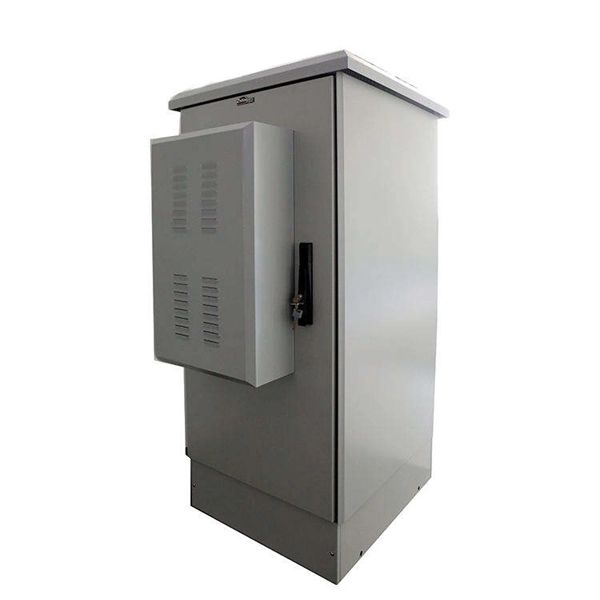
Why use fiber optic junction boxes for wiring
An optical junction box is a vital component in fiber optic networks. It serves as a termination point for fiber optic cables, providing protection and distribution of the optical fibers while ensuring efficient signal transmission. A fiber optic junction box, also known as a...
-

Why do patch panels use flexible core wire boards
Each panel supports T568A and T568B wiring standards, offering flexibility for installers. For high-speed, long-distance transmission, fiber patch panels are used. They manage fiber optic cables with connectors like SC, LC, and ST, ensuring safe cable routing and protection...
[PDF Version]
-
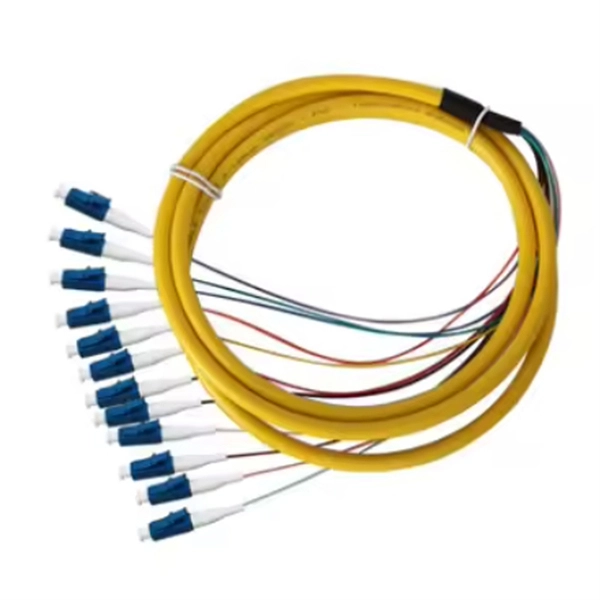
Why does the fiber optic pigtail box have a light
A typical fiber pigtail includes three main components: the fiber core, protective coating, and outer jacket. The core carries light signals, while the cladding ensures total internal reflection. A fiber optic pigtail is a short length of optical fiber —typically 0. Get the...
-
Why do telecommunications companies use cold joints
Cold shrink cable joints have emerged as a leading solution, especially in medium- and high-voltage applications, for their ease of use, consistent performance, and superior sealing capabilities. During installation, the core is. Modern data centers operate around the clock...
-
Why it s not recommended to use a KVM switcher
Some KVM switches may not have adequate security features, which can leave the system vulnerable to hacking and other security threats. They don't specify refresh rate for anything other than 4K but I suspect that KVM is going to do no more than 60hz at any resolution, not...
[PDF Version]
-
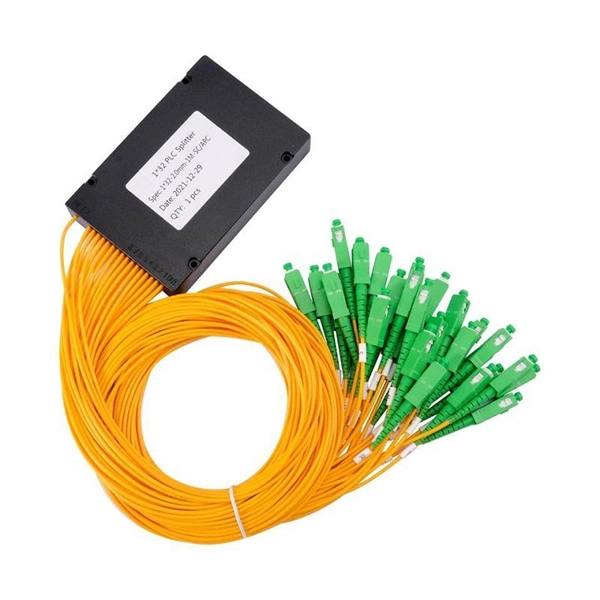
Why should pigtail fiber be made at 8 degrees
Proven by rich experience and experimental verification, an angle of 8-degree is the best. An angled connector is typically -65dB or lower. According to different end face angles, there are three types of optical fiber end face polishing methods: PC, UPC, and APC. Based on...
[PDF Version]