
Fiber connection and distribution references
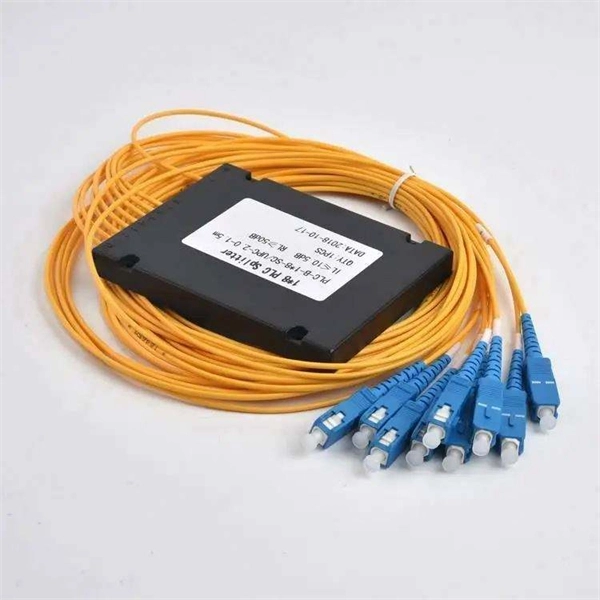
Fiber Optic vs Copper Ethernet Cables with Pros and Cons
Both fiber optic and copper ethernet cables have unique characteristics and compelling advantages and disadvantages but they are generally used to
Which Is Better for Your Network—Copper or Fiber Cables?
Both have distinct strengths that can serve very different networking needs depending on your setup. This article will guide you through how each cable type performs in real-world scenarios. We''ll
Advantages and Disadvantages of Fibre Optic Cable
There are many advantages of using these cables over other kinds of communication cables, like the bandwidth of these cables is high, and they are less vulnerable than metal cables.
Choosing Between Cable and Fiber Internet: What
If you''re unsure which internet type to choose, here''s a quick look at the pros and cons of fiber vs. cable to help you decide.
Fiber Optics vs Ethernet: Understanding the Key
A comprehensive comparison of fiber optic vs Ethernet technologies including definition, components, features, benefits, conversion process and
Fiber vs. Cable: Which Internet Type Is Best + Pros and
Compare fiber vs. cable internet speeds, reliability, and costs to find the best network connection type for your needs. Learn the pros and cons in this guide.
Pros and Cons of Fiber Optic Internet: Is It Worth It?
Instead of sending electrical signals over metal cables, fiber transmits data as rapid pulses of light through flexible, microscopic glass strands. The
Fiber Optic vs Ethernet Cabling: Pros, Cons, and Use
Compare fiber optic and Ethernet cabling. Learn their pros, cons, and use cases to help you choose the right cable for your home, office, or buildi...
Copper Vs. Fiber Optic Cabling – Pros and Cons for 2024
Fiber optic wiring is the newcomer that increasingly becomes the cable of choice for many businesses. However, some
Computer network
Optic fibers can be used for long runs of cable carrying very high data rates, and are used for undersea communications cables to interconnect continents. There are
Small Form-factor Pluggable
Small Form-factor Pluggable (SFP) is a compact, hot-pluggable network interface module format used for both telecommunication and data communications
Videos Hub Portal – Blog Sharing Platform & Metacafe
Videoshub is a creative platform since 2008 with blogs, videos and a Metacafe archive featuring viral clips, movies, classics and internet favorites.
Safeguarding Subsea Cables: Protecting Cyber
Subsea fiber-optic cables, a critical information and telecommunications technology (ICT) infrastructure carrying more than 95
What are the different types of network cables?
Compare the different types of network cabling: coaxial, fiber optic, shielded twisted pair and unshielded twisted pair.
Cables, Adapters, & Docking Stations: USB4, USB-C,
Cable Matters provides a large selection of innovative cables and accessories, we also educate consumers on the best product offerings. USB4, USB C,
What Is Fiber Network | Verizon Business
What is fiber internet?,Fiber internet, also known as fiber broadband, is internet delivered via fiber optic networks. use light to transmit signals via fine, thin plastics or glass fiber optic cables that are the
All Kinds of Fiber Optic Patch Cords – SC, LC, FC, ST
What is a Fiber Optic Patch Cord? Fiber optic patch cords refer to fiber optic cables with connectors at both ends and a thick protective layer. It is
Fiber Optic Patch Cables Strategic Roadmap: Analysis and Forecasts
The increasing adoption of fiber optic sensors in industries like healthcare and manufacturing further contributes to market growth. While singlemode fiber optic patch cables lead
Related Video Reference
This video was associated with the source search result. Verify technical details against current product documentation and project requirements.