
Copper Vs Fiber Optic Cabling Pros And Cons For 2024
Search optical fiber, connectivity, cable management and network infrastructure references.
-
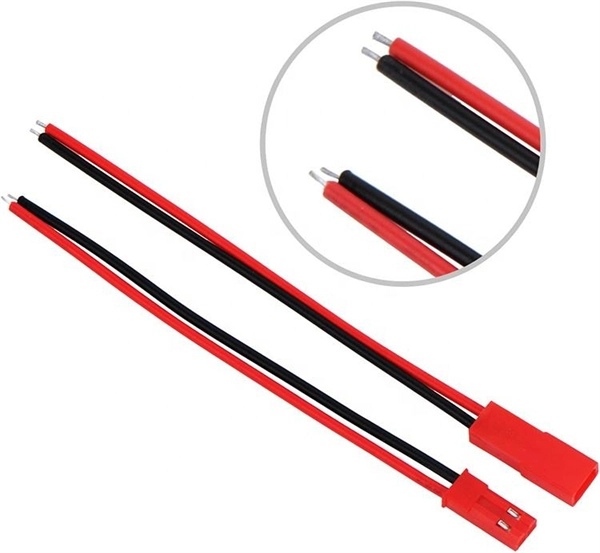
Data Center PDU Intelligent vs Copper Cable vs Fiber Optic Cable
Data Center Cabling Guide: Fiber vs Copper and Hybrid Design Discover how fiber and copper work together in modern data centers. Learn when to use each for.
[PDF Version]
-

Data Center Cabling Bundled 24-Core Fiber Optic Patch Cord
This in-depth guide breaks down everything you need to know about GJPFJH 24-core bundled indoor fiber cable – from its core design and technical specs to real-world deployment cases, pro tips, and why TTI Fiber is your best partner for sourcing this game-changing cable...
[PDF Version]
-
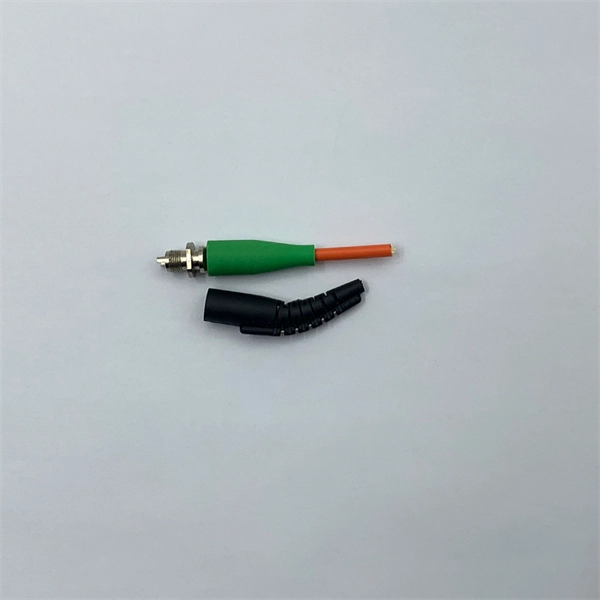
Ftth area fiber optic cabling
A practical, engineer-friendly guide to planning, installing, testing, and maintaining modern fiber optic networks for FTTH, FTTR, smart buildings, and data centers in 2026. A2 fiber and micro-duct blowing for future-proof FTTH / FTTR and campus builds. There is really no way...
[PDF Version]
-
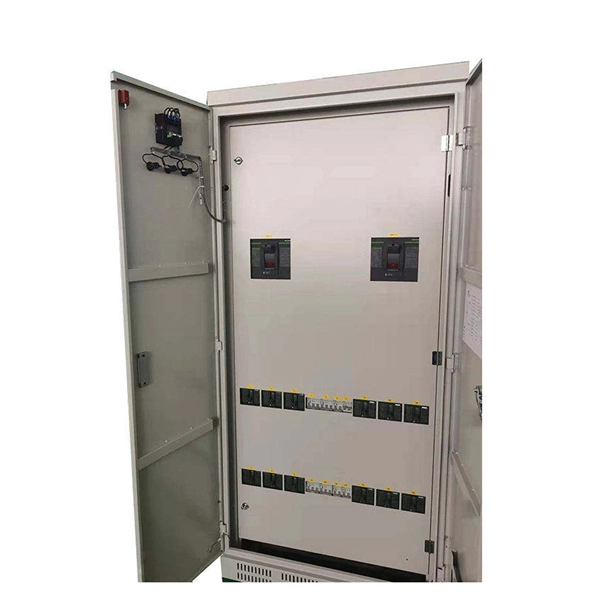
Function of Fiber Optic Patch Panels in Structured Cabling
A fiber patch panel is a mounted enclosure—either rack-mounted or wall-mounted—used to terminate, manage, and interconnect multiple fiber optic cables. It acts as a hub for organizing splices and patch cords, streamlining fiber management and preserving signal integrity. A...
-
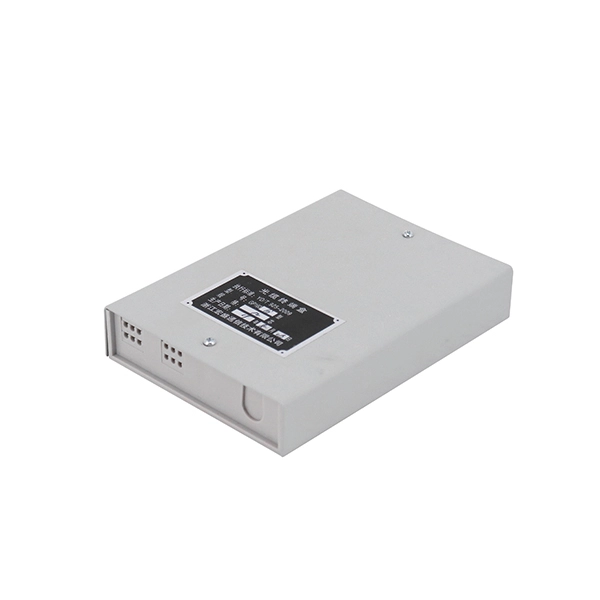
Function of Copper Fiber Optic Couplers
Fiber optic couplers are optical devices that connect three or more fiber ends, dividing one input between two or more outputs, or combining two or more inputs into one output. The device allows the transmission of light waves through multiple paths. Essentially, it serves as...
-
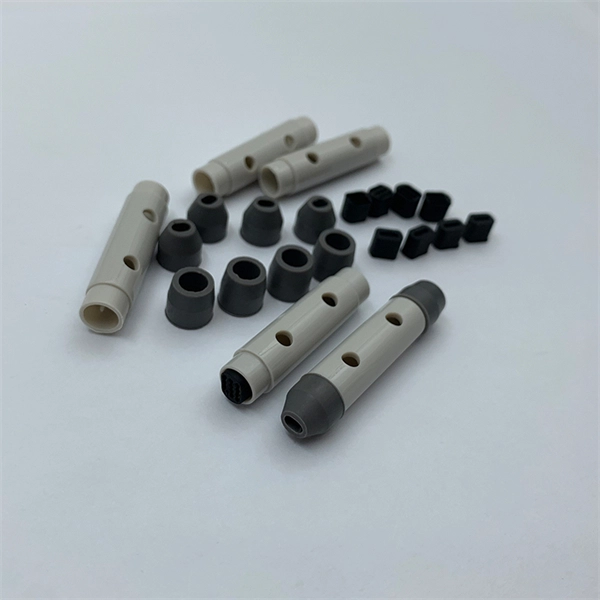
How to Choose Fiber Optic Cables for Indoor Structured Cabling
Indoor cables connect devices within homes, office buildings, data centers, and other interior spaces. At its core, an indoor fiber cable is a type of cable containing one or more optical fibers that are used to carry light. These fibers are typically made of glass or plastic...
Explore the next connection
- How much does it cost to customize a trapezoidal cable tray
- A Complete Guide to Aluminum Alloy Cable Management Frames
- Fiber optic splitter failure
- Fiber optic patch panels are essentially couplers
- Painting the wall of the secondary electrical distribution box at the construction site
- Requirements for Custom-Made Optical Cable Junction Boxes
- High and Low Voltage Complete Sets of Equipment Low Voltage
- Fiber Optic Cable Inspection and Tapping Instrument