
What Is The Network Layer Learning Center
Search optical fiber, connectivity, cable management and network infrastructure references.
-
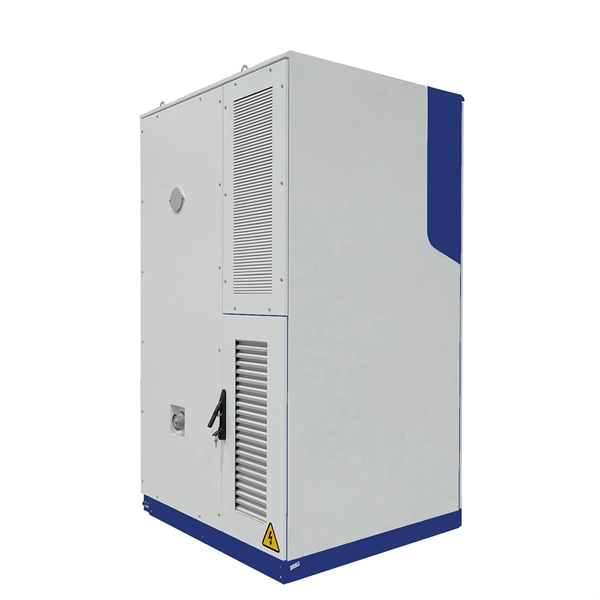
What s the deal with uninterrupted network in a home server rack
Network redundancy means having backup systems in place to ensure uninterrupted connectivity. A redundant internet connection is a backup in failure of primary internet connection. Here are just five examples of what effective network redundancy delivers for businesses. By...
-
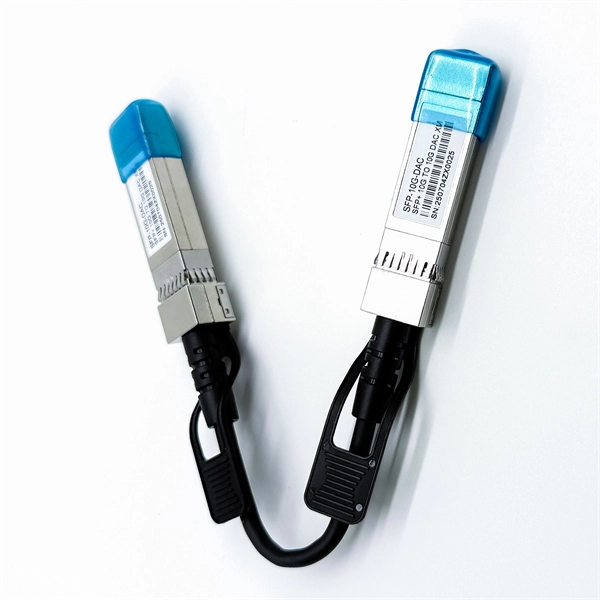
What size network cabinet should I choose for home use
If you're a typical user installing a home or small-office network—router, switch, modem, CCTV DVR, and maybe a UPS—you need a wall-mounted 6U–12U internet cabinet with perforated doors, 19-inch rack rails, and at least 450 mm depth. Choosing the right home networking cabinet...
[PDF Version]
-
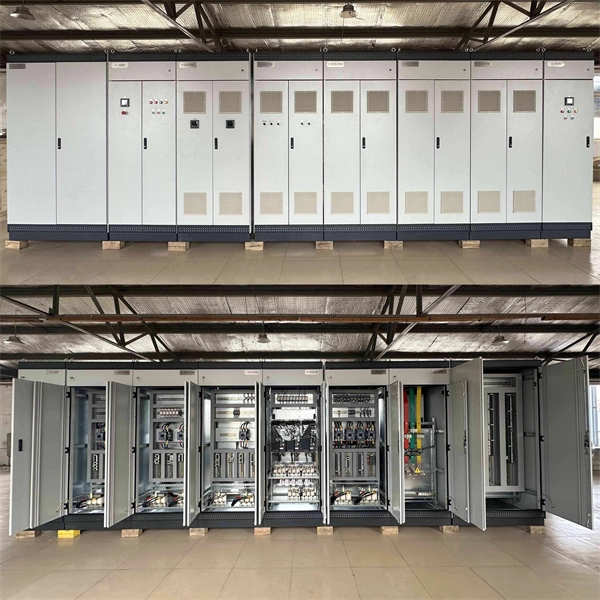
What does 4U network cabinet mean
The “U” in 2U and 4U stands for rack units, a standard measurement for server height in data center racks. 75 inches high, making a 2U server 3. Important: U describes height only, but a server's real "capabilities" are also determined by chassis depth, internal layout...
[PDF Version]
-

Height of the bottom of the network cabinet from the ground
The cabinet is installed 36” from the bottom of the cabinet to the ground and is always secured to the pole on the downstream side of traffic unless otherwise approved. Some standard dimensions have become. Server rack cabinets come in different sizes, and the three main...
[PDF Version]
-
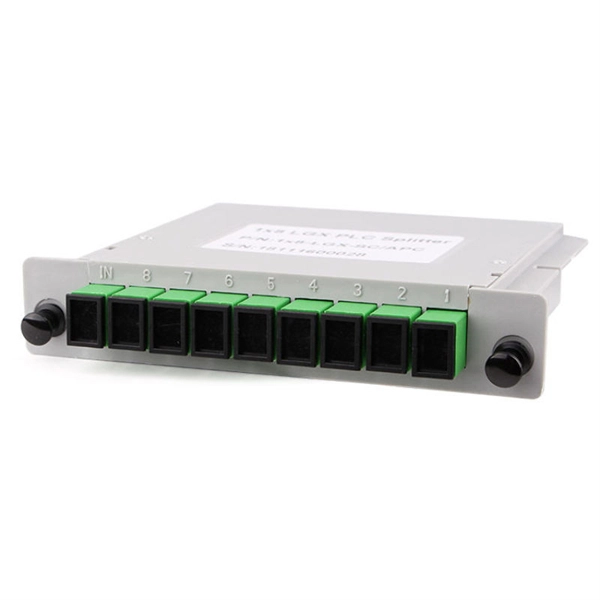
What are the optical network modules
Optical modules are the core drivers of backbone networks, converting electrical signals into light for high-speed, long-distance data transmission. The optical module serves as a crucial component in optical fiber communication systems, operating at the physical layer, which...
[PDF Version]
-
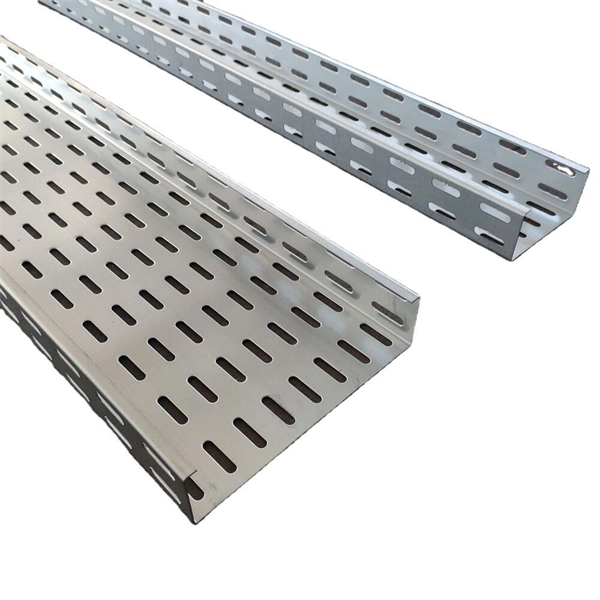
What are the different types of network cable trays
Common types of cable trays include: Side rails connected by transverse rungs. Provide good ventilation and easy cable tie-down. In this guide, we walk you through the primary types of network cabling, from their technical specifications to practical applications and factors...
[PDF Version]
Explore the next connection
- Redundancy in cable wiring in distribution boxes
- How much does it cost to lay outdoor fiber optic cables
- 8 Optical 2 Electrical Band Module
- Cable tray measurement steps and pricing
- How to connect an SFP optical module to an optical fiber
- Diagram of the finished composite optical cable with live wiring