
Fiber connection and distribution references
Beginner''s Guide to Network Cables
This comprehensive guide explores different cable types, categories, installation best practices, and more. Learn how to choose the right cable for your needs, optimize performance, and
Cable tray
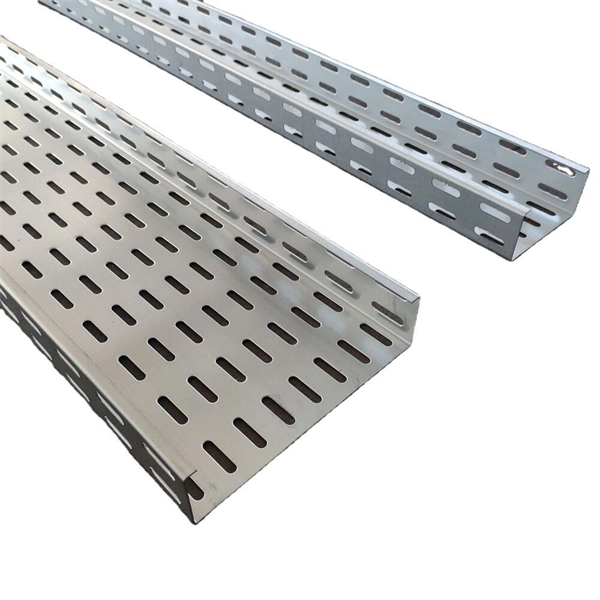
Several types of tray are used in different applications. A solid-bottom tray provides the maximum protection to cables, but requires cutting the tray or using fittings to enter or exit cables. A deep, solid enclosure for cables is called a cable channel or cable trough. A ventilated tray has openings in the bottom of the tray, allowing some air circulation around the cables, water drainage, and allowing some dust to fall through the tray. Small cables may exit the tray throug
What is a router?
What are the different types of routers? Core router: Unlike the routers used within a home or small business LAN, a core router is used by large corporations and
Fiber Optic Cable Types: A Complete Guide
The plethora of fiber optic cable types can seem overwhelming, but choosing the right cable for the job is important. Read on to learn what fiber optic
Cat5 vs Cat5e vs Cat6 vs Cat7 vs Cat8: What Are Their Differences?
The network cables may look the same but have major differences from categories to categories, cables to cables, and don''t forget, from vendors to vendors. Rather than Cat5e cable being top of the line,
Structured Cabling Solutions
ICC is a structured cabling solutions manufacturer of copper & fiber optic connectivity products for commercial & residential applications.
How Many Cables Can a Cable Tray Hold? A
Cable Tray Capacity Tables for Different Cable Types Below are the updated tables showing the number of cables that can be accommodated in
What is a Network Switch and How Does it Work?
In contemporary networking, it is essential to use network switches because of efficient information flow between machines on Local Area Network.
What are the 6 components of structured cabling?
Structured cabling simplifies cable infrastructure installation, troubleshooting and maintenance of cable infrastructures. Network teams save
What are Cable Trays & Different Types of Cable Trays
For managing large cable networks, you need a reliable organizational system to ensure that the power supply stays operational. One of
Types of Cable Trays: Benefits and Uses
Different types of cable trays offer key benefits, optimizing cable management and enhancing efficiency in electrical systems.
Cables Connectors Adapters Patch Panels Wall Plates Racks
ShowMeCables offers a wide range of electronics products including many different types of cables such as Ethernet, Fiber Optic, Power, A/V, Low Loss, Computer, Pro Audio, Serial, USB, Low PIM and RF
Speeds of Cat5e, Cat6, Cat6a, Cat7, and Cat8 Cables
Speeds of Cat5e, Cat6, Cat6a, Cat7, and Cat8 Cables Compared Understanding which Ethernet cable category is right for your office, data centre
What Is A Cable Tray? 5 Types Of Cable Trays
Cable trays come in various types, including ladder, solid bottom, wire mesh, and trough designs, each suited to different environments and cable management needs. They allow for easy access to the
Cable Tray Systems
It offers helpful video tutorials for our products, such as choosing the right material, the different types of, and working with cable tray, mesh and ladder, general strut use, and managing pipework with
Cable Tray Systems: Requirements and Best Practices
This article explains the main requirements and good practices for cable tray systems, including tray types, materials, loading, supports, bonding, cable selection, and installation details.
Cable Trays
Cable trays are systems that distribute bundles of insulated electrical cables from power supplies to electrical equipment, consisting of metallic trays supported from structures like walls and ceilings.
Cable Tray Type Selection
What type of cable tray should be used for the main runs of a cable tray wiring system? The cable tray types to choose from are ladder, ventilated trough, or solid bottom.
Related Video Reference
This video was associated with the source search result. Verify technical details against current product documentation and project requirements.