
What Is Optical Switch And Why Choose It Keychron
Search optical fiber, connectivity, cable management and network infrastructure references.
-
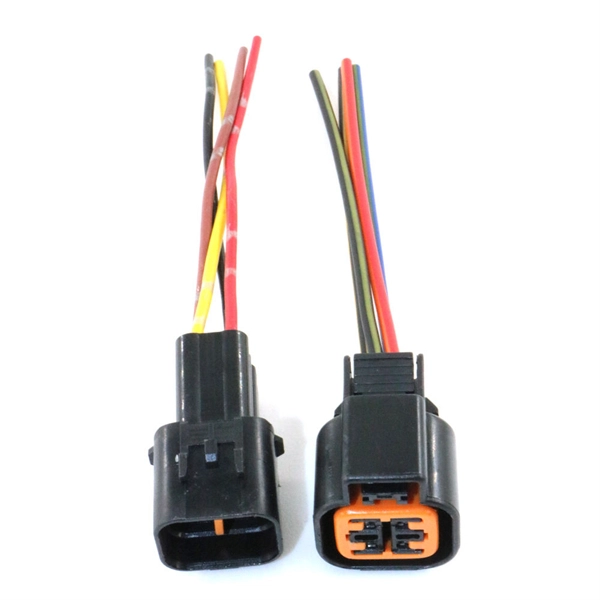
What bandwidth options are available for optical modules in a switch
QSFP starts at 40 Gbps, with QSFP28 and QSFP-DD modules supporting 100–400 Gbps, making them ideal for bandwidth-heavy environments such as cloud data centres, video streaming backbones, and large enterprise cores. SFP (Small Form-factor Pluggable) modules are hot-swappable...
[PDF Version]
-
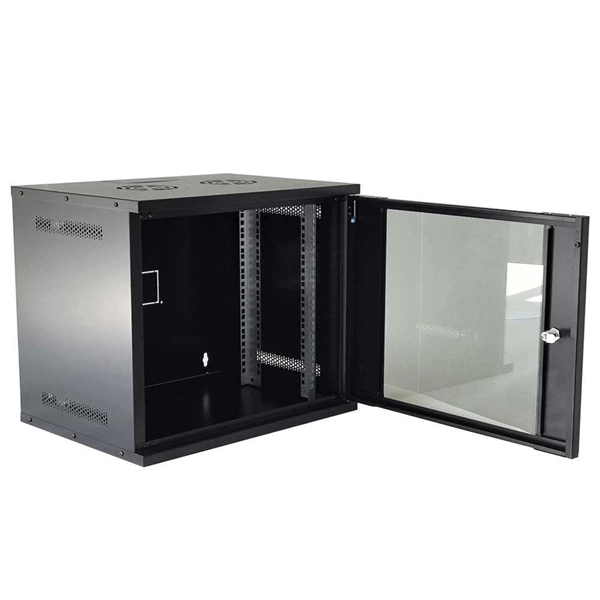
What do the two LEDs on the optical port of the switch represent
A single tricolor LED for each SFP-DD indicates the port status. The switch consists of multiple LEDs to monitor switch activity and performance. System is. The port side of the switch has the following LEDs. When it blinks white twice, it shows the. Cisco Catalyst 9300...
[PDF Version]
-

What types of 8-core optical fiber splicing are included
There are 2 methods of splicing, mechanical or fusion. Imm (main cord) Material Stainless Steel Color Silvery White UL94 V-0 (*Burning stops within 10 seconds on a veritcal specimen, no drips of flaming particles. ) *Exact product code is subject to the cable length...
[PDF Version]
-
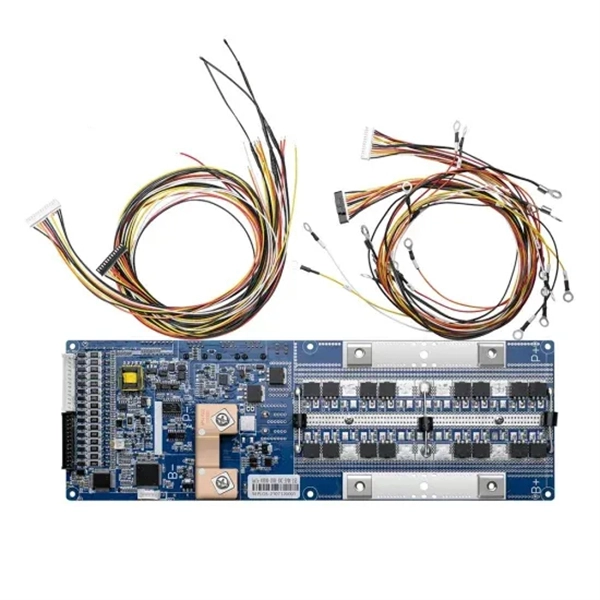
What does the aggregation switch connect to
The aggregation switch connects to multiple access switches and consolidates their traffic. It is essential for larger networks requiring efficient data flow. In a traditional three-tier network design, it's the policy hub: the place where traffic gets organized, filtered...
[PDF Version]
-
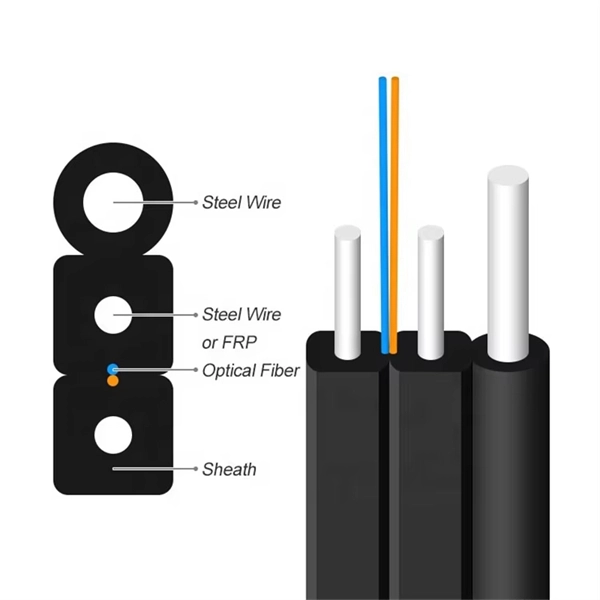
Why are optical cable sheaths waterproof
Hydrophobic Coatings: Applied to cable exteriors, these coatings repel water, preventing moisture from adhering to the surface. Usually there are 4 waterproof barriers: Outer sheath, metal tape, water blocking rope and filling compound. It resists water entry while remaining...
-
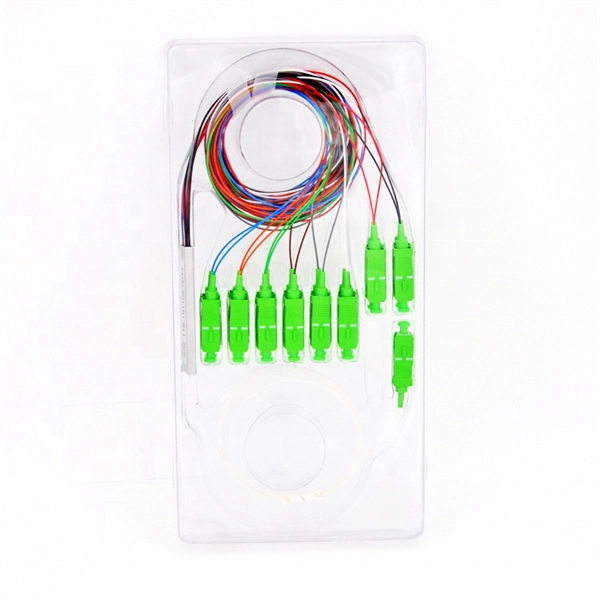
What are the components of an active optical splitter
It consists of three layers: substrate, waveguide and cover. Waveguides play a key role in the splitting process that allows a specific percentage of light to pass through. So the signal can be divided equally. When comparing active vs passive optical splitters, the real...
[PDF Version]