
What Is Enterprise Private Network Epn
Search optical fiber, connectivity, cable management and network infrastructure references.
-
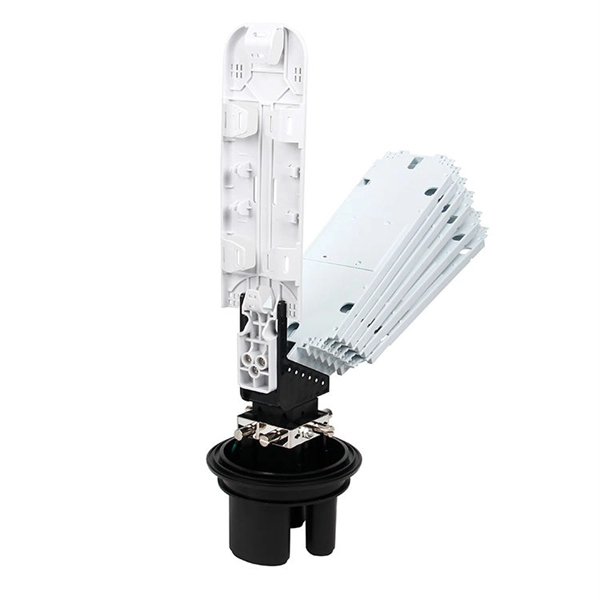
Enterprise Passive Optical Network
Passive Optical LAN (POL) is transforming the way organizations design and manage their network infrastructure. Originally derived from. Passive optical networking (PON), like active optical networking, uses fiber-optic cabling to provide Ethernet connectivity from a main...
-
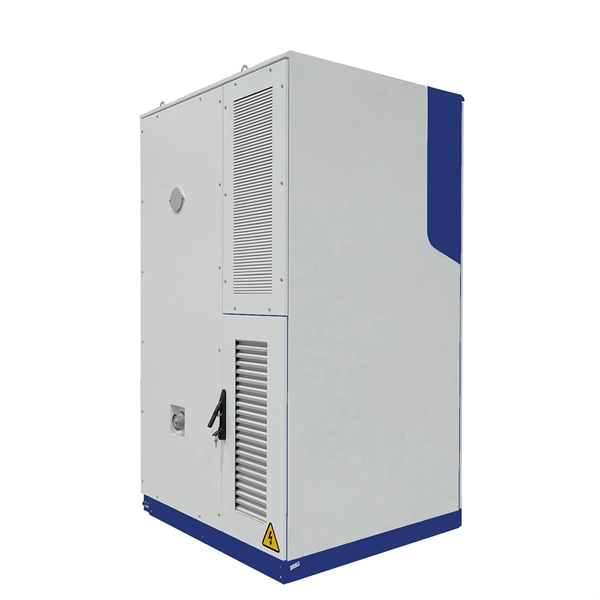
What s the deal with uninterrupted network in a home server rack
Network redundancy means having backup systems in place to ensure uninterrupted connectivity. A redundant internet connection is a backup in failure of primary internet connection. Here are just five examples of what effective network redundancy delivers for businesses. By...
-
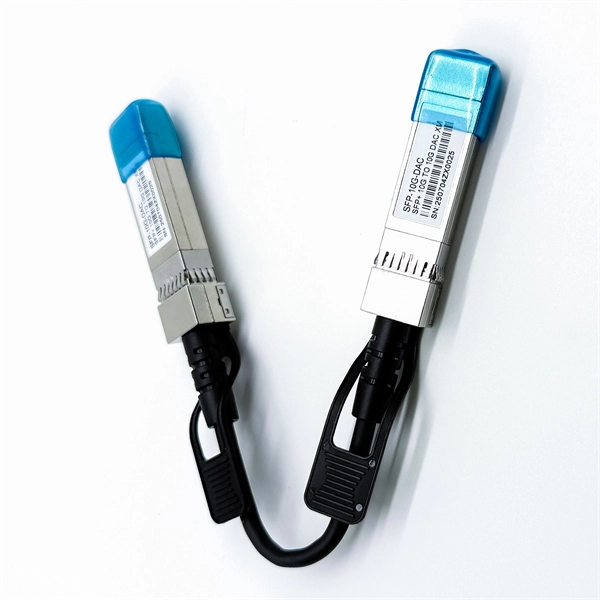
What size network cabinet should I choose for home use
If you're a typical user installing a home or small-office network—router, switch, modem, CCTV DVR, and maybe a UPS—you need a wall-mounted 6U–12U internet cabinet with perforated doors, 19-inch rack rails, and at least 450 mm depth. Choosing the right home networking cabinet...
[PDF Version]
-
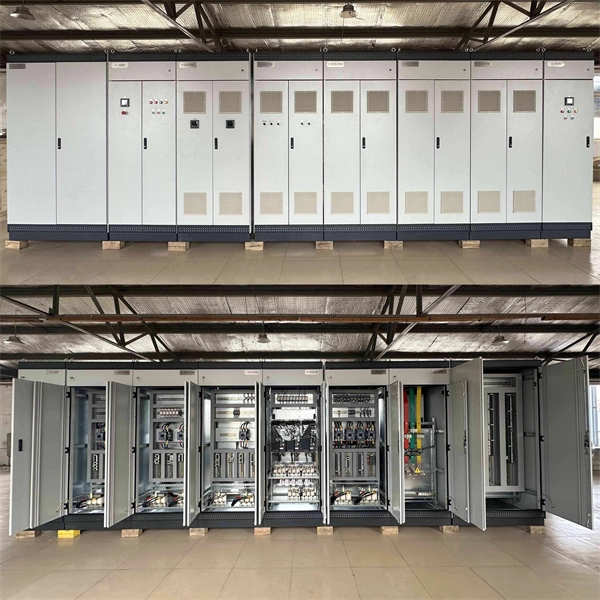
What does 4U network cabinet mean
The “U” in 2U and 4U stands for rack units, a standard measurement for server height in data center racks. 75 inches high, making a 2U server 3. Important: U describes height only, but a server's real "capabilities" are also determined by chassis depth, internal layout...
[PDF Version]
-
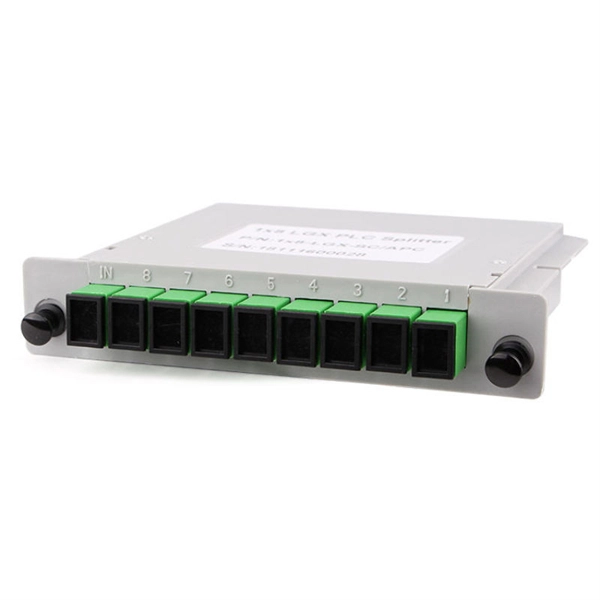
What are the optical network modules
Optical modules are the core drivers of backbone networks, converting electrical signals into light for high-speed, long-distance data transmission. The optical module serves as a crucial component in optical fiber communication systems, operating at the physical layer, which...
[PDF Version]
-
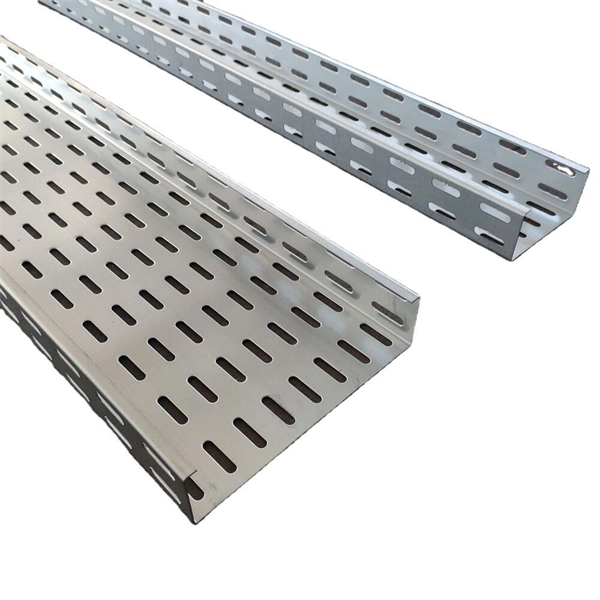
What are the different types of network cable trays
Common types of cable trays include: Side rails connected by transverse rungs. Provide good ventilation and easy cable tie-down. In this guide, we walk you through the primary types of network cabling, from their technical specifications to practical applications and factors...
[PDF Version]
-
What is zero-sequence protection in distribution network automation
Zero-sequence voltage protection (59N) provides critical ground fault detection security in non-effectively grounded systems and enhances high-resistance fault coverage in all networks when properly set per international standards. This article provides a technical overview...
[PDF Version]
Explore the next connection
- Main busbar and branch busbar of switchgear
- One fiber optic cable two network cables and three ports on the panel
- How to unplug the fiber optic cable from a China Unicom router
- Modular fiber optic patch panels for computer rooms
- Internal structure diagram of the beam splitter s round head
- Structural Requirements for Cable Trays