
What Is Cable Tray Types Applications And Safety
Search optical fiber, connectivity, cable management and network infrastructure references.
-

What to do if the cable tray is hanging from the ceiling
Improper Support and Fixing: Insufficient or loose brackets, hangers or supports may allow trays to vibrate or shift, risking cable damage. Adhere strictly to load tables and support spacing recommended by manufacturers. Use appropriate support hardware designed for the...
[PDF Version]
-
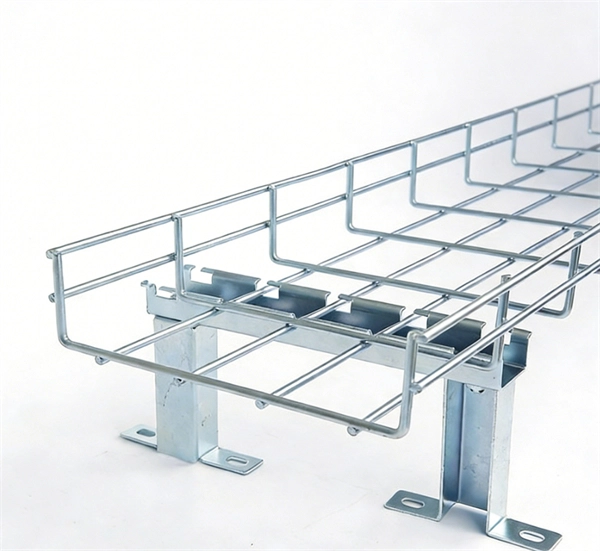
What is a QGQJ cable tray
The energy-saving and corrosion-resistant steel cable tray (hereinafter referred to as energy-saving cable tray) is a new generation of high-tech product independently researched and developed by Jiangsu Wanqi Electric Group Co. (formerly Zhenjiang Wanqi Electric Equipment...
[PDF Version]
-

What innovations have occurred in the cable tray industry
This paper explores the latest trends in the cable tray manufacturing industry, focusing on technological advancements and sustainable practices. It covers the integration of IoT for smart monitoring, the use of innovative materials for enhanced durability, and modern...
[PDF Version]
-
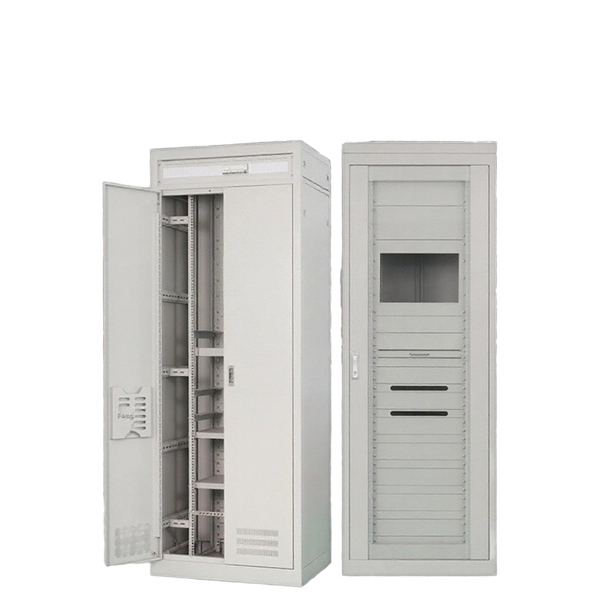
What type of cable tray should be used in the cable shaft of a building
Common types of cable trays include: Side rails connected by transverse rungs. Provide good ventilation and easy cable tie-down. Cable tray systems provide a safe, organized, and flexible method for supporting insulated conductors and cables in commercial and industrial...
-

What type of cable is best connected using a cable tray
Tray cables (TC) are multi-conductor cables designed and rated for installation in cable trays and raceways or supported by messenger wires. Many cable tray rated cables include a crush and impact test as part of the listing and are rated as exposure rated (ER). Provide good...
-

What is cable tray material
Common cable trays are made of galvanized,, aluminum, or glass-fiber reinforced plastic. The material for a given application is chosen based on where it will be used. Galvanized tray may be made of pre-galvanized steel sheet fabricated into tray, or may be hot-dip galvanized...
-
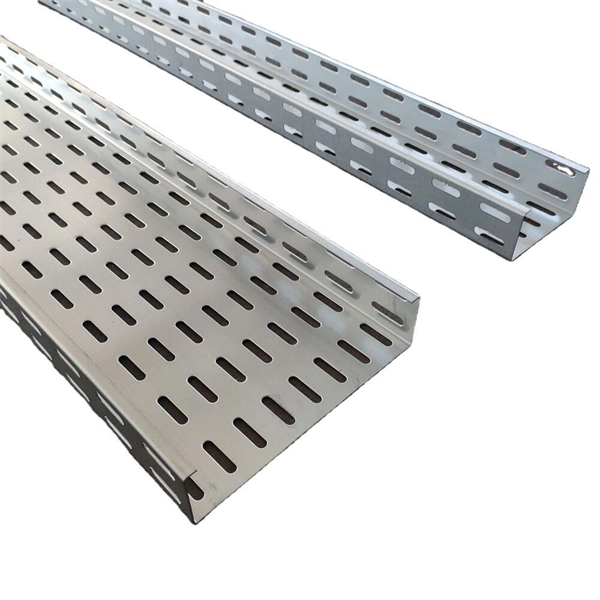
What are the different types of network cable trays
Common types of cable trays include: Side rails connected by transverse rungs. Provide good ventilation and easy cable tie-down. In this guide, we walk you through the primary types of network cabling, from their technical specifications to practical applications and factors...
[PDF Version]
-
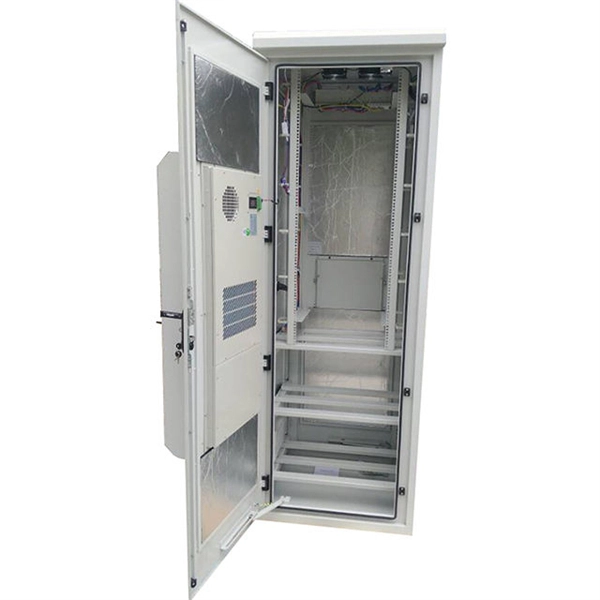
What materials are used for cable tray hanging holes
Here are the most common materials: Galvanized Steel – Provides high corrosion resistance and durability. Stainless Steel – Ideal for harsh environments with chemical exposure. Aluminum – Lightweight, rust-resistant, and easy to install. The choice of material affects the...
[PDF Version]