
What Is A Fiber Optic Sensor Principle Type And
Search optical fiber, connectivity, cable management and network infrastructure references.
-
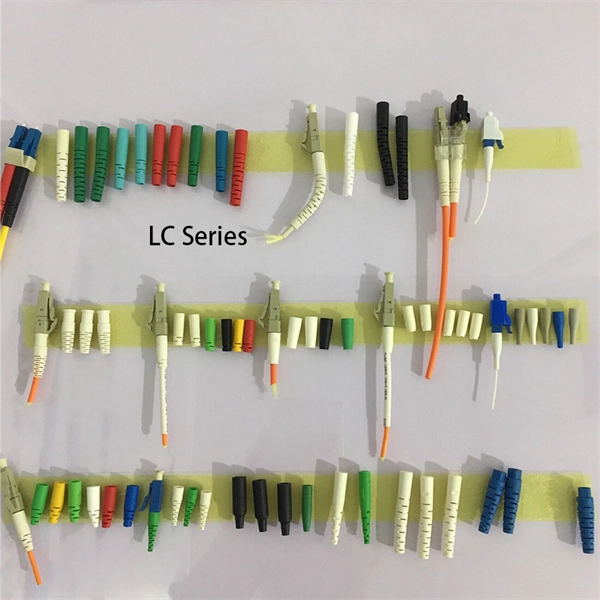
Fiber Optic Sensor Principle and Quotation
Fiber optic current sensors work by detecting changes in light as it interacts with a magnetic field created by an electrical current. Radiation absorption creates electronic excited states that are trapped by localized defects for extended periods of time. Heating the...
[PDF Version]
-
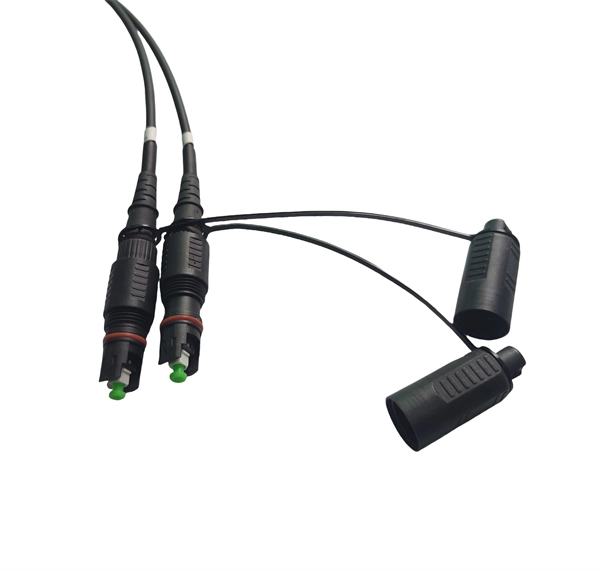
Working principle of fiber optic flow velocity sensor
The fiber optic sensor system uses two fiber ferrule sensors that are bonded on either side of a cantilever beam to measure the flow rate by monitoring the air-gap changes caused by the bending of the cantilever beam. It's a device that converts light rays into electronic...
[PDF Version]
-
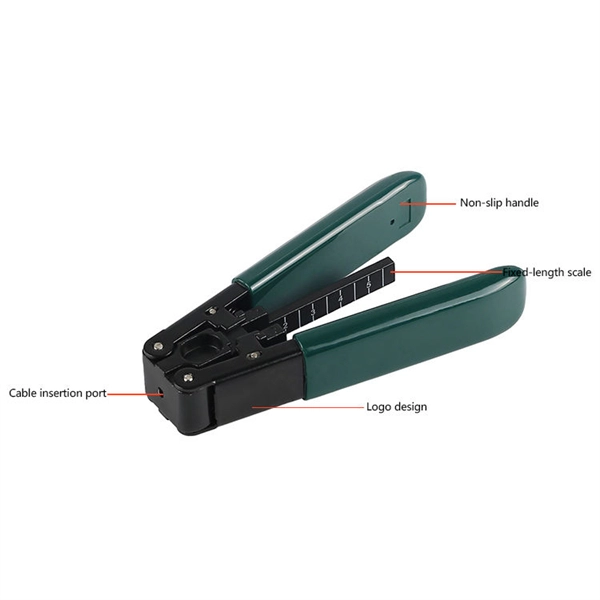
The principle of the supply and demand fiber optic sensor is
The measurement technique is based on polarimetric detection and high accuracy is achieved in a hostile industrial environment. High frequency (5 MHz–1 GHz) electromagnetic fields can be detected by induced nonlinear effects in fiber with a suitable structure. A fiber-optic...
-
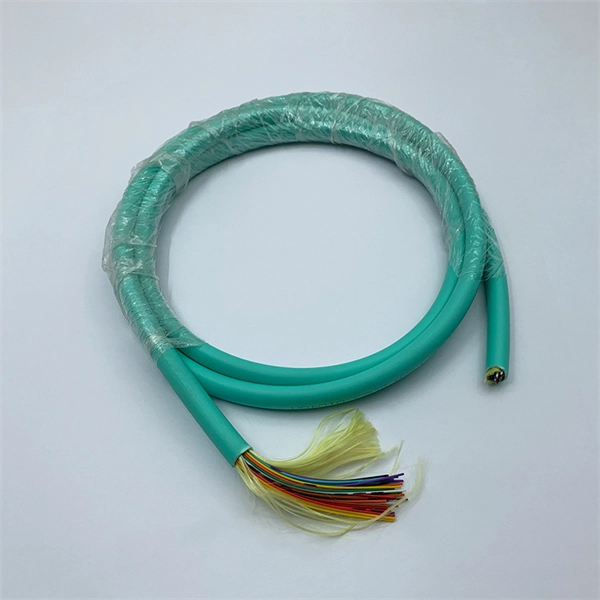
Principle of Fiber Optic Sensor for Flow Velocity Measurement
The fiber optic sensor system uses two fiber ferrule sensors that are bonded on either side of a cantilever beam to measure the flow rate by monitoring the air-gap changes caused by the bending of the cantilever beam. Inclusion in an NLM database does not imply endorsement...
[PDF Version]
-
What is a multi-film fiber optic connector
The MPO/MTP connector is a multi-fiber connector designed to handle parallel fiber transmission, typically 8, 12, 16, or 24 fibers per connector. Unlike fiber splicing, which is permanent, connectors allow for easy connection and disconnection of cables, making them ideal for...
[PDF Version]