KENHARDT OPTICALNetworks across Africa Talk through a project
Fiber systems / Technical reading Optical reference library

Cable tray construction and installation

Inside this technical reference
Source context

AI source overview

Cable tray installation involves careful planning, material selection, support system setup, alignment, and adherence to safety and electrical standards to ensure reliable cable management.

Pre-

Installation Planning

Before starting, conduct a site survey and risk assessment to identify hazards and ensure compliance with safety protocols, including PPE, Lockout/Tagout (LOTO), and hot work permits if required. Verify that approved shop drawings and material specifications are available, and coordinate with other services to avoid conflicts with HVAC, plumbing, or structural elements. Pre-installation meetings with engineers, supervisors, and safety officers help clarify responsibilities and confirm the installation plan.

Material Handling and Storage

Cable trays, ladders, and trunking should be stored on flat surfaces, protected from moisture, sunlight, and mechanical damage. Accessories must be organized to prevent loss, and materials should be sorted by type and width according to manufacturer recommendations. Verify that all materials meet project specifications and are free from corrosion or defects.

Support Systems and Mounting

Install support structures such as GI slotted channels or threaded rods, ensuring proper spacing to prevent stress on cables. For trays below 300mm, use 10mm GI rods; for trays above 300mm, use 12mm rods. Supports must be securely fastened to ceilings, walls, or floors, and additional protection like non-combustible covers should be used when trays pass through partitions or fire-rated elements.

Ensure sufficient space around trays for cable installation and maintenance.

Tray Installation

Cable trays should be installed as complete systems, including bends, tees, and other accessories. Align and level each run, and secure trays to the support system. Maintain proper separation to minimize electromagnetic interference (EMI) and comply with standards such as IEC 60364, IEEE, and IEC 60079 for hazardous locations.

Earth link straps should be installed to ensure electrical continuity, regardless of whether a separate protective earth conductor is used.

Final Checks and Quality Assurance

After installation, perform inspection and testing to verify alignment, support integrity, and compliance with approved layouts. QA/QC inspectors should ensure that all procedures are followed, and documentation is complete. Confirm that cable tray systems are ready for cable installation, and that fire-stopping, grounding, and safety measures are in place.

Materials and Types

Cable support systems can include solid-bottom trays, ladder trays, and mesh trays, typically made of steel or stainless steel with galvanization for corrosion protection. Accessories include bends, tees, reducers, clamps, and mounting elements. Selection depends on environmental conditions, load requirements, and project specifications.

Safety Considerations

Always follow safety induction, proper PPE usage, and site-specific safety protocols. Avoid unsafe conditions, and ensure that all operatives are competent and trained for the task. Use scaffolding or lifting equipment as needed, following a safety lifting plan for heavy or elevated installations.

By following these steps, cable tray systems can be installed efficiently, safely, and in compliance with industry standards, providing organized and reliable cable management for electrical and instrumentation systems.

Research context

Reference summary

Cable Tray Installation Learn everything about cable tray installation with our complete guide. Discover types, steps, and safety tips for efficient electr.

From reference to enquiry

Questions for your project

Use these editorial prompts alongside the linked excerpts. They identify items to confirm for your project.

Detailed reading / connection to installation

Fiber connection and distribution references
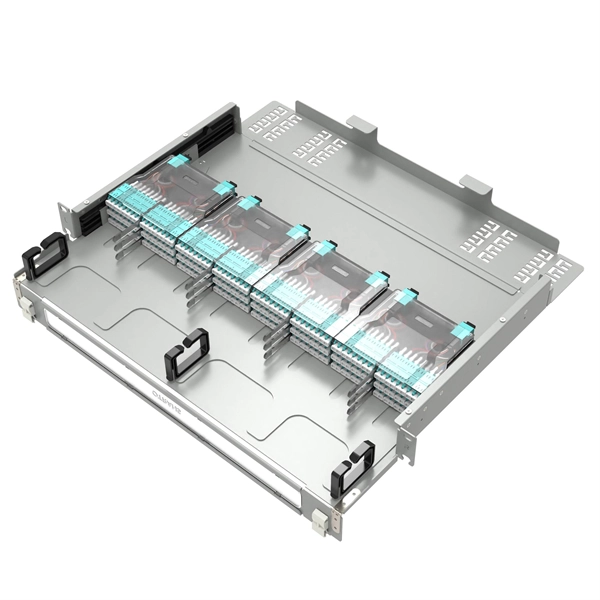
Cable tray construction and installation
Equipment illustration / verify against the selected product

Cable Tray Installation

Learn everything about cable tray installation with our complete guide. Discover types, steps, and safety tips for efficient electrical cable management.

A Guide to Installing and Supporting Electrical Cable Trays

This guide covers the critical steps, from selecting the right electrical cable tray and performing accurate cable fill calculations to managing a safe cable pull through

Cable Tray Installation Guidelines and Best Practices: Complete

Cable tray installation guidelines for industrial EPC projects with support spacing, earthing, routing, safety and real site best practices.

5 Steps to Learn How to Install Cable Trays

Installing a cable tray system requires careful planning to ensure it can support the weight of the cables and adheres to electrical safety codes. Here is a step-by-step guide on how to install a

Cable Tray Technical Guide A practical guide to product selection and

Cable Tray Technical Guide A practical guide to product selection and installation This guide for engineers and installers has been developed by ABB as a practical reference regarding cable tray

Master Cable Tray Installation: A Professional Step-by

Learn how to install cable trays for large-scale projects with our professional, step-by-step guide covering industry standards, safety protocols,

Best Practices for Installing Cables in Trays

Learn the best practices for installing cables in trays. This guide covers essential steps, technical requirements, and key details for efficient cable

Cable Tray | EAE Electric | Medium & heavy duty cable trays

EAE Electric cable tray systems have been designed to and easy to install. Supply a complete range of cable tray including medium & heavy duty!

Cable Tray Installation CAD Blocks | DWG Electrical

Download free Cable Tray Installation CAD Blocks in DWG format. Perfect for electrical layouts, MEP coordination, and infrastructure design in AutoCAD.

Cable Tray Selection Guide for Electrical Projects

Cable Tray Selection Guide for Electrical Projects Selecting the right cable tray is one of the most critical steps to ensure safe, stable, and long-lasting cable wiring in electrical and

Cable Tray Offset Calculator | Vertical, Horizontal & Compound Offset

Cable Tray Bend Offset Calculator Calculate horizontal, vertical, or compound cable tray offsets based on bend angle, offset distance, and available installation space.

IEC Standard for Cable Tray: Complete Technical Guide

Understanding the IEC Standard for Cable Tray Cable trays play a vital role in supporting electrical cables and wires in commercial, industrial, and

Cable Tray Market Size, Share | Growth Analysis Report, 2034

Almost all types of cables are sorted and maintained with the help of cable trays as an option to open wiring systems or electrical conduits. Due to lockdowns and government restrictions

Technical Guidelines for Cable Tray Installation and

1. Route Planning and Layout Principles Coordinate with Building Structure: Cable tray routing should align with architectural design, avoiding unnecessary

How to install Cable Trays – Best Guide in 2026

Step-by-step on-site guide: learn how to plan, mark, support, and install cable trays correctly, from shop drawing approval to final checks.

How to Calculate the Cable Tray Support Quantity

Calculating the cable tray support quantity is a crucial part of electrical installation projects. As a key structure supporting the

Cable Tray Spacing Standards for Installation and Safety

Proper installation can significantly reduce electromagnetic interference, prevent fire hazards, and improve overall efficiency. This article

Cable Tray Concrete Ceiling Stock Photo

Photo about Cable tray and a linear light fixture on a bare concrete ceiling in a building under construction, showing electrical installation. Image of renovation, netherlands, light - 462798362

Related Video Reference

This video was associated with the source search result. Verify technical details against current product documentation and project requirements.

Make the connection clear

Share the fiber interfaces, termination capacity, cable route and evidence required for handover.

Send a project brief