
Vertical Cable Tray Installation
Search optical fiber, connectivity, cable management and network infrastructure references.
-
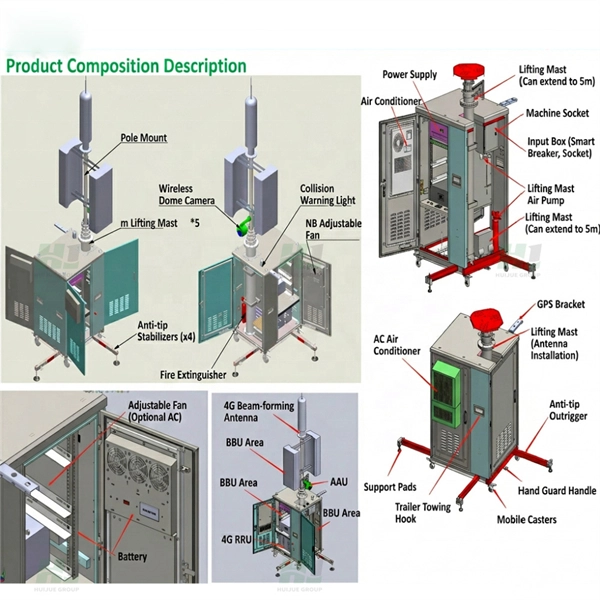
Vertical cable tray modeling and quantity calculation
Select your tray type (ladder, ventilated trough, solid bottom, or channel), enter the tray width and usable depth, then add cables by size and quantity. The calculator computes the total cable cross-sectional area and compares it against the applicable NEC. Our free...
[PDF Version]
-

Vertical Channel Cable Tray
Channel cable tray features lightweight, high load-bearing capacity, aesthetically pleasing, simple structure, and easy to install. Material choice T&B channel tray systems are fabricated from a corrosion-resistant metal (low-carbon steel, stainless steel or an aluminum...
-
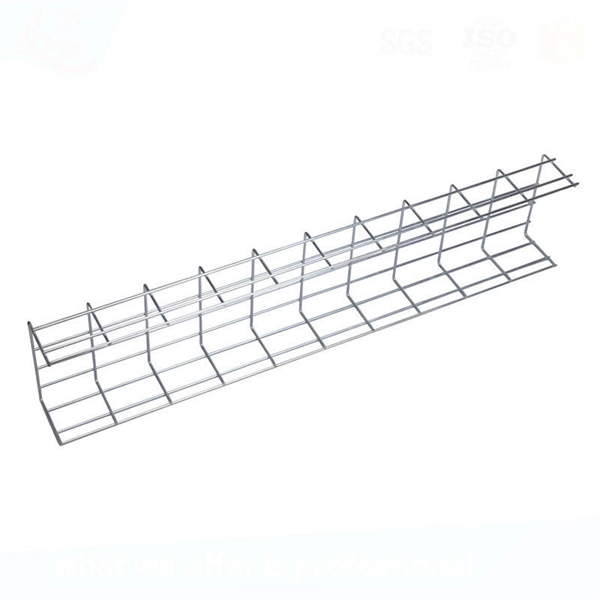
Cable tray and electrical shaft installation
Technical guide to firestopping cable tray and slab penetrations in electrical shafts; specifies materials, packing limits, waterstop heights and installation sequence. Whether you're building a commercial setup or upgrading an industrial plant, proper cable tray installation...
[PDF Version]
-

Main Cable Tray Installation
Installing a cable tray system requires careful planning to ensure it can support the weight of the cables and adheres to electrical safety codes. Here is a step-by-step guide on how to install a standard metal cable tray system (e., ladder or perforated type). The Cable Tray...
[PDF Version]
-
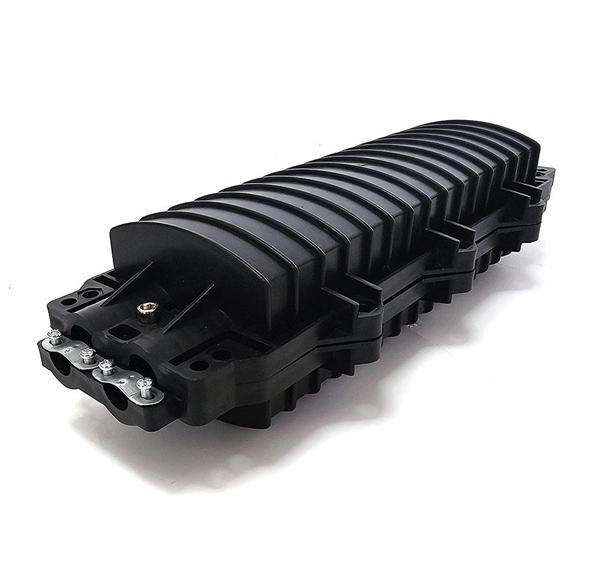
Vertical cable tray sealing requirements
When cable trays pass through walls or floors, seal openings using fire-rated penetration sealing materials. Do not modify or damage the tray coating or structure during use. A rung spacing of 6 to 9 inches (150 to 230 mm) is preferable when the cable tray cont d for...
[PDF Version]