KENHARDT OPTICALNetworks across Africa Talk through a project
Fiber systems / Technical reading Optical reference library

Railway Optical Cable Construction Methods

Inside this technical reference
Source context

AI source overview

Railway optical cable construction involves careful route planning, specialized installation methods, and adherence to safety and technical standards to ensure reliable fiber optic communication along railway lines.

Route Planning and Right-of-

Way Considerations

Fiber optic cables are typically laid within the railway right-of-way, which extends approximately 50 meters on either side of the track centerline, minimizing earthworks and avoiding obstacles such as mountain passes or marshes. The number of crossings with railway tracks should be minimized, and crossings are ideally located in areas with fewer tracks. In some cases, particularly near major stations, the cable route may be placed outside the right-of-way with proper justification.

Route planning must also consider clearance dimensions of structures and buildings to ensure safe operation.

Cable Types and Protection

For electrified railway sections, fiber optic cables with tracking-resistant jackets are recommended to prevent electrical interference. Protective polyethylene pipes (PPE) or asbestos-cement pipes may be used when cables are installed close to poles or other infrastructure. Modern railway networks increasingly use dense ribbon fiber technology, allowing hundreds or even thousands of fibers in a single cable, which supports high-capacity data transmission and future-proofing.

Fiber optic cables are immune to electromagnetic interference, making them ideal for electrified railways.

Installation Methods

Cables can be installed using several methods: Subgrade installation: Cables are laid within the railway embankment in draining soils such as gravel or coarse sand. Railway cable-laying machines: These machines speed up installation along active tracks but require maintenance windows to avoid train disruptions. Trenchless methods: Horizontal directional drilling (HDD) is commonly used for railway crossings to avoid open excavation.

Open-cut method: Occasionally used for minor railway lines with proper approvals. Brackets and pilot ropes are used for suspending cables on poles, either manually or with specialized railway cars equipped with winches. On bridges and in tunnels, self-supporting cables must follow safety standards such as the NESC guidelines.

Integration with Railway Communication SystemsFiber optic networks support modern railway digitalization, including real-time train control, traffic management, and radio communication systems. Systems like the RailCon program provide end-to-end solutions, including connectors, network distributors, and cabinet solutions suitable for indoor and outdoor installations. These networks enable high-speed data transmission, automation, and safer, more efficient rail operations.

Standards and Compliance

Construction and installation must comply with international and national standards, such as ITU-T Recommendation L. 56, which provides guidelines for optical fiber installation along railways. Compliance ensures interoperability, safety, and long-term operational reliability.

In the U. S., AREMA recommended practices guide fiber optic route construction, trenching, and utility coordination.

Summary

Railway optical cable construction requires a combination of strategic route planning, robust cable selection, specialized installation techniques, and adherence to safety and technical standards. Modern fiber optic systems enable high-capacity, interference-free communication, supporting the digitalization and automation of railway operations while ensuring long-term reliability and safety.

Research context

Reference summary

Fiber Optic Line Construction Along Railways: Installation MethodsLearn best practices for fiber optic line construction along railways: route planning, in.

From reference to enquiry

Questions for your project

Use these editorial prompts alongside the linked excerpts. They identify items to confirm for your project.

Detailed reading / connection to installation

Fiber connection and distribution references
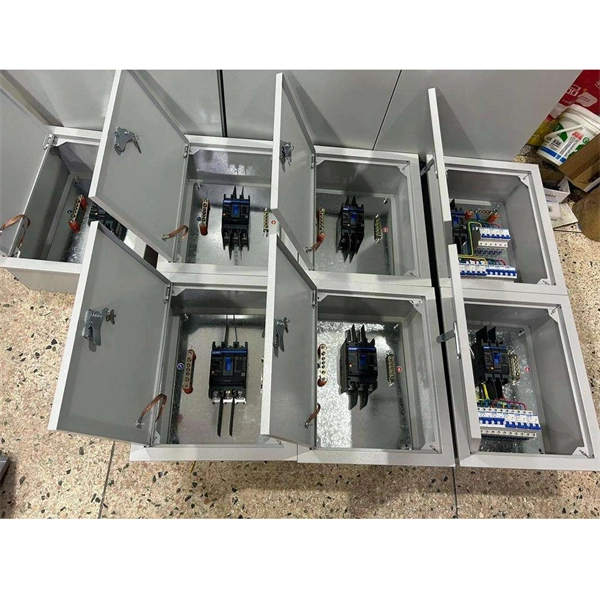
Railway Optical Cable Construction Methods
Equipment illustration / verify against the selected product

Fiber Optic Line Construction Along Railways: Installation Methods

Learn best practices for fiber optic line construction along railways: route planning, installation methods, crossings, aerial fiber attachment

ITU-T Rec. L.56 (05/2003) Installation of optical fibre cables along

This appendix represents the experience of Ukraine in an optical fibre cable line installed along a railway line. The text contains methods of fastening of optical cables on poles, fixing of optical cable by

ITU-T L.158-2003 Installation of optical fibre cables along railways

The document provides guidelines and recommendations for the installation of optical cables along railway tracks. It covers aspects such as cable types, installation methods,

Installation Considerations for Rail

The performance of different cable positions and installation methods, based on practical experience over many installations, is explained on the following pages for different railroad applications

SECTION 5.6 GUIDELINES FOR FIBER OPTIC ROUTE

5.6.2.3 Fiber Optic installations aregoverned byunique rules andregulations. Itistheresponsibility ofthe Fiber Optic Company thatthese beadhered toduring planning, including preliminary investigations

Itu-T: Installation of Optical Fibre Cables Along Railways

The suspension of optical fibre cables on poles of a railway contact network on Ukraine territory is achieved by the use of full dielectric self-supports cables.

Handbook Optical fibres, cables and systems

The ITU-T has published a complete set of Recommendations dealing with the above subjects: Recommen-dations of the ITU-T G-series on optical fibres and systems and Recommendations of

FIBER OPTIC CONSTRUCTION STANDARDS

Fiber optic cable sequential numbers are required at each pole location and vault wall. Sequential numbers will identify conduit length, and slack left in vaults and at poles.

Fiber Optic Cable Installation Method Statement

Below is given the fiber optic cable installation method statement for performing the installation of optical fiber cabling system for any kind and size of project.

The FOA Reference For Fiber Optics -Outside Plant Construction

Alternative methods of deploying underground fiber cables includes using storm water drains and sewers, while another is micro-trenching, which involves using a machine cut a narrow slot in the

Optical Fiber Cable Engineering Construction: A Comprehensive

This operation guide is designed to provide detailed and highly instructive information on the optical Fiber cable engineering construction process. By following this guide, engineering professionals will

NYT Connections archive

Every NYT Connections puzzle ever published is listed here, organised by date, with all four category groups and their sixteen words. The NYT only offers the current day''s puzzle for free,

OPTICAL FIBRE CABLE JOINTING

Simple self explanatory sketch and cross sectional view of optical fibre cable, being use in railway is shown below. For construction detail, handbook on Optical Fibre Cable prepared by CAMTECH may

Optical Fiber Communication cables

Introduction Optical fiber communication plays a vital role in the telecommunication systems of Indian Railways. Today, with the route length of more than 50,000 Km approx., OFC is used not only in

Presentation

Survey of OFC cable route Before start of the work a careful route analysis to be done to assess the method of laying the OFC. It should be done before preparing the estimate. Preliminary survey

The FOA Reference For Fiber Optics -Outside Plant Construction

There are methods using robots to install fiber optic cable in storm sewers or other underground pipes. They have been used in center cities where construction is difficult but not widely.

RDSO/SPN/TC/------

1.1 Indian Railways uses 48 Fibre Optical Fibre Cable for Short haul and long haul communication. A Fibre Distribution Management System for accommodating 48 Fibre for Optical Fibre termination,

Optical Measurement System for Monitoring Railway

applied sciences Review Optical Measurement System for Monitoring Railway Infrastructure—A Review Kira Zschiesche 1, * and Alexander Reiterer 1,2 1 Fraunhofer Institute for

Make the connection clear

Share the fiber interfaces, termination capacity, cable route and evidence required for handover.

Send a project brief