
Temporary Fiber Splices
Search optical fiber, connectivity, cable management and network infrastructure references.
-
What to do about high optical attenuation in fiber optic splices
Managing optical attenuation helps keep your signal safe. This guide will demystify signal loss, explore its causes, and show you how. Signal loss in Fiber Optic networks can make data slow. You should fix it fast to get speed and stability back. > You can solve this with...
[PDF Version]
-
Common models of fiber optic fusion splices
Top-rated models include the Fujikura 90S+, INNO View 8+, and Sumitomo Type-72C+, each suited to different use cases and environments. Proper training, maintenance, and calibration (like electrode replacement and blade cleaning) are key to long-term splicer reliability and...
[PDF Version]
-
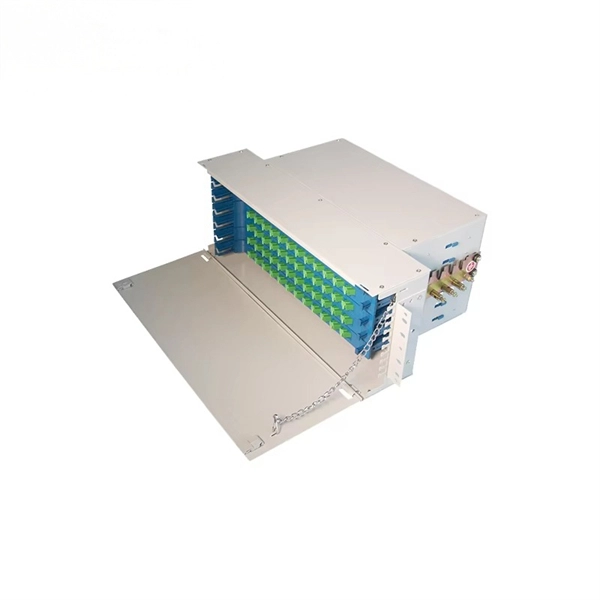
How to protect fiber optic cables and pigtail splices
Fiber optic splice closures keep your network safe from water, dirt, and harm. Pick strong materials and tight seals to keep signals clear. Get the wrong connector type, the wrong polish, or skip proper fusion splicing technique—and you're looking at elevated signal loss...
[PDF Version]
-
How to remove the coating from fiber optic cable splices
FOS03 Fiber strippers remove the coating from the fiber optic cable to expose the glass fiber. The typical fiber optic cable has multiple layers: the outer jacket, strength members. We work with 3SAE Technologies who has designed and manufactured a wide range of high...
[PDF Version]
-
Can fiber optic cold splices use pigtails
Splicing can be done using pigtails, which are short stubs of bare fiber that are pre-terminated on one end, leaving the other end exposed for splicing. Executive Summary: A fiber optic pigtail is one of the most commonly specified yet least understood components in...
[PDF Version]