
Fiber connection and distribution references
Single Mode vs. Multimode Fiber: Core Differences and Selection Guide
How do you choose between single mode and multimode fiber? Compare their differences in core size, light source, bandwidth, transmission distance, and cost to identify the right application.
Optical Access Architecture Reference Document: Single-Mode vs
deployment of optical fiber infrastructure within carrier-grade and enterprise nalysis of Single-Mode Fiber (SMF) and Multi-Mode Fiber (MMF) technologies, d respective physical layer characteristics,
How to Tell if Fiber is Multimode or Singlemode: A Comprehensive
In this in-depth guide, we''ll delve into each of these identification methods, providing you with the practical knowledge and expertise to navigate the world of fiber optics with confidence.
How to Tell the Difference Between Single Mode and
Knowing how to tell the difference between single mode and multimode fiber is crucial for network efficiency; the core distinction lies in the
OFI-BIPM and OFI-BIPMe Optical Fiber Identifiers | AFL
The OFI-BIPM/-BIPMe optical fiber identifier is an easy-to-use tool that determines if a fiber is live, the transmission direction, and the relative core power on standard
Single Mode vs. Multimode Fiber Optic Cables
There are two main types of fiber optic cables: single mode and multimode. Although they can do the same job in some instances, the different
What is the Difference Between Single-Mode and Multi-Mode Fiber
In this post, we will explore the applications and differences between single-mode and multi-mode fiber test equipment- shedding light on when and why you might choose one over the other.
Fibers – applications, fiber optics, single-mode and
Our Crystal Fibre portfolio spans from nonlinear fibers for octave-spanning supercontinuum generation, over the World''s largest single-mode ytterbium gain
What Does Each fiber colour in Fiber Optic Cable
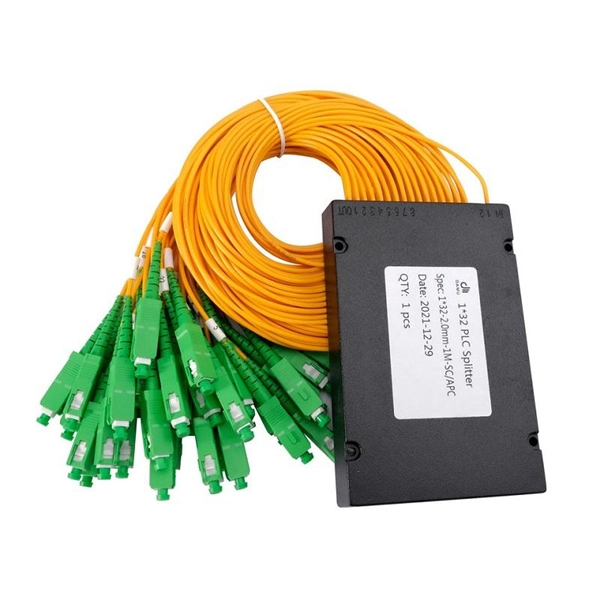
Single-mode fibers typically use yellow or blue jackets, with green for APC fibers. Multi-mode fibers typically use orange, brown, violet, or aqua. Red
The Complete Guide to Fiber Optic Cable Management
Key Takeaways Choose the right fiber optic cable type—single-mode for long distances and multi-mode for shorter runs—to match your network
Fiber Optic Cable Types: A Complete Guide
The plethora of fiber optic cable types can seem overwhelming, but choosing the right cable for the job is important. Read on to learn what fiber optic
Fiber Testing Standards 2025 Guide for IEC and TIA
Follow procedures like OFSTP-7 for single-mode and OFSTP-14 for multimode fiber. For multimode fiber, use encircled flux launch conditions as
The FOA Reference For Fiber Optics
Connectors are used for terminations, that is the ends of the fibers where they connect to equipment or to patch panels where fiber routing can be changed by patching different fibers together. Different
Jonard FLS-50 SM Light Source, FC/LC/SC Adapters
The device is intended for use in diverse testing environments, featuring a backlit LCD screen for visibility in low-light conditions. Downloads: Jonard Multimode and Single Mode Optical Light
Fiber Optic Adapter Connector LC, SC, ST, FC, FC (Male) to LC
Ease of Use : Plug-and-play design ensures quick installation, saving time during setup and repairs and with markings for identification. Wide Usability : With UPC and APC polishing types, making fiber
All Kinds of Fiber Optic Patch Cords – SC, LC, FC, ST Explained
Learn about SC, LC, FC, and ST fiber optic patch cords, their uses in FTTH, telecom, and data centers, and how to choose the right type.
Singlemode vs Multimode Fiber Optic Cable
We breakdown the differences between single mode and multimode fiber optic cable, covering aspects like physical structure, bandwidth over
Fiber Optic Patch Cords Guide | Types, Connectors & Applications
Explore fiber optic patch cords for telecom, data centers, and FTTH. From LC/SC to MPO/MTP and armored jumpers, ZION Communication offers high-quality, customizable fiber patch
Related Video Reference
This video was associated with the source search result. Verify technical details against current product documentation and project requirements.