
Fiber connection and distribution references
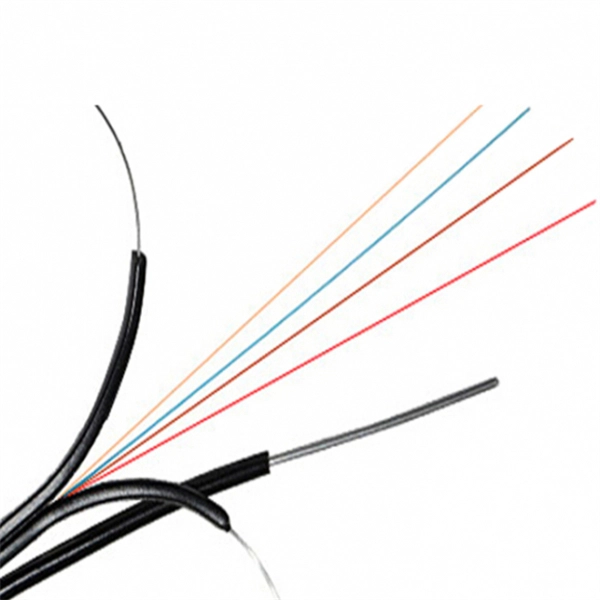
Fiber Optic Cable and Light Transmission Explained
Fiber optics refers to the technology that uses thin strands of glass or plastic to convey data in the form of light. The core of a fiber optic cable is surrounded by a
Optical fiber
OverviewUsesHistoryPrinciple of operationMechanisms of attenuationManufacturingPractical issuesSee also
Optical fiber is used as a medium for telecommunication and computer networking because it is flexible and can be bundled as cables. It is especially advantageous for long-distance communications, because infrared light propagates through the fiber with much lower attenuation compared to electricity in electrical cables. This allows long distances to be spanned with few repeaters.
Fiber Optic Communication: How Light Carries Data
Discover how fiber optic cables use total internal reflection to transmit data at light speed. Learn about their core and cladding structure, single‑mode
How It Works: Optical Fiber | Glass Optical Fiber | Corning
When a device like your computer has information to send, that data starts out as electrical energy. A laser in the computer converts the signals to photons – tiny
The Physics Behind Fiber Optic Communication: How
Unlike traditional copper wires that use electrical signals, fiber optics rely on light to transmit vast amounts of data over long distances with minimal loss.
Fiber-optic cables | Phoenix Contact
Fiber-optic (FO) cables transmit data in the form of light across long routes. To achieve this, the electrical signals at the transmitter are converted into optical
Fibre Optic Cables, Uses, Types, Components and
A fibre-optic cable, akin to an electrical cable, contains one or more optical fibres for light transmission. This technology enables high-speed data
The surprising way that fiber optics connects us
Fiber optic cables, which are bundles of optical fibers capable of transmitting information at the speed of light across great distances, are an often-unseen technology that is critical to the
What Is Fiber Optics? A Guide
Fiber optics technology uses light pulses to transmit data, resulting in quicker, more reliable data transfers between sources than copper cables.
Fiber Optic Cable Types | Omnitron Systems Guide
Explore fiber optic cable types, features, and applications. Omnitron Systems explains single-mode, multi-mode, and specialty fiber solutions.
Fiber Optic Patch Cables: The Complete 2026 Buyer''s Guide
Confused by LC, SC, MPO, UPC, and APC? This complete fiber optic patch cable guide covers connector types, single-mode vs multimode, insertion loss specs, and how to choose the right
Guide To Multimode Fiber (62.5um & 50um, OM1 to OM5)
Guide To Multimode Fiber (62.5um & 50um, OM1 to OM5) What is multimode fiber optic glass? Multimode fiber optic cable (or glass) is a common specification of
Transmission Media in Computer Networks
Optical Fiber Cable is a guided transmission medium that transmits data in the form of light signals through a glass or plastic core using the principle
What Is Optical Cable?
What Is Optical Cable? A Deep Dive into Fiber Optic Technology Optical cable, also known as fiber optic cable, is a type of cable that transmits data as pulses of light through thin
Fiber Optics News
Fiber optics is a technology that uses thin strands of glass or plastic fibers to transmit data as pulses of light rather than electrical signals, allowing for
Fiber Optic Troubleshooting: Expert Guide for Common
Fiber optics is a technology that utilizes thin strands of glass or plastic, called optical fibers, to transmit data in the form of light pulses. This
Single Mode vs. Multimode Fiber Optic Cables
There are two main types of fiber optic cables: single mode and multimode. Although they can do the same job in some instances, the different
I Love Eating Fiber Optic Cables
The fascination with fiber‑optic cables should remain rooted in their extraordinary ability to transmit light‑borne data at unprecedented speeds, not in the misguided notion that they are edible.
Related Video Reference
This video was associated with the source search result. Verify technical details against current product documentation and project requirements.