
Fiber connection and distribution references
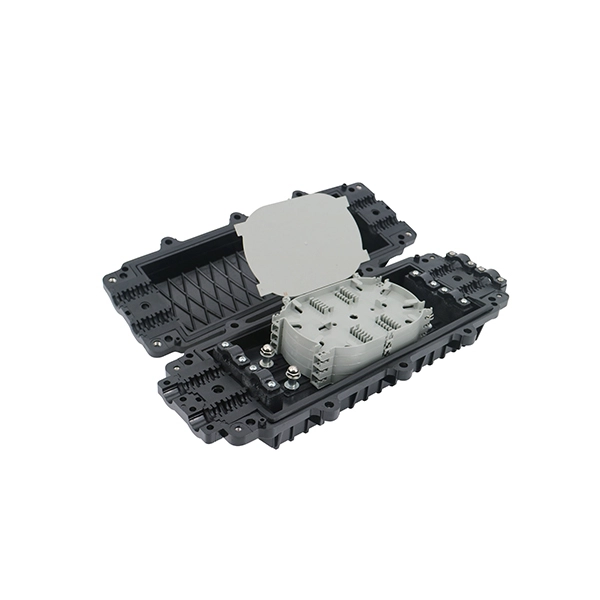
Junction Box
A junction box can seem simple, but it plays an important role in the function and safety of electrical and telecommunication systems. By providing an organized, accessible, and secure place
Understanding Junction Boxes: Essential Components for Safe and
Junction boxes are essential for preserving the safety and effectiveness of electrical systems because they shield wiring from outside threats, avoid unintentional contact with live wires,
What is a Junction box, and its applications?
Learn the differences between Junction Boxes, Marshalling Panels, and System Cabinets including signal routing, control architecture, commissioning, and EPC design.
What is a Junction Box? A Complete Beginner''s Guide
A junction box is an enclosure that houses and protects electrical wire connections. It provides a secure chamber where multiple wires can be spliced,
Distribution Box vs Control Box vs Junction Box: Key
A junction box is primarily used for housing connections between electrical cables. It does not control or distribute power in the same way as
Junction Boxes: Complete Guide to Working Principle, Types
In this article, you will learn everything about junction boxes, including their definition, junction box working principle, types, components, applications, advantages and disadvantages,
Cable Junction Boxes: 8 Types, Tech Specs & Installation
Explore 8 types of cable junction boxes, their tech specs, installation tips, and maintenance. Get expert insights on selection, common faults, and
Junction box
Junction boxes form an integral part of a circuit protection system where circuit integrity has to be provided, as for emergency lighting or emergency power lines, or the wiring between a nuclear
Junction boxes: a practical guide to designing reliable
While they''re often treated as simple enclosures, junction boxes play a critical role in how reliably power and signals are distributed, how easily systems
Instrument Junction Boxes
Junction Box Materials of Construction Junction boxes can be manufactured in a variety of materials including stainless steel, mild steel, glass reinforced
What is a Junction Box (or jbox)? | Electrical Knowledge
A junction box – also known as an '' electrical box '', '' jbox '', ''or '' terminal box '' – is a protective box where wires are interconnected. Junction boxes are often built into the plaster of a
PLC Connection : Instrument, Junction Box, Marshalling & System Cabinet
PLC Connection between field Instruments, Junction Box, Marshalling cabinet, System Cabinet and Human-Machine Interface. Study PLC Operation & PLC Wiring.
Active junction boxes
Active junction boxes Our active junction boxes enable direct connection of sensors and actuators to modern control systems – quickly, flexibly, and in a
IO Systems junction boxes
Thanks to their modular design, our systems can be flexibly adapted to individual requirements. Both passive distribution systems for simple signal distribution without intelligence and active I/O boxes
Marshalling Panel vs Junction Box vs System Cabinet: Complete Guide
Learn the differences between Junction Boxes, Marshalling Panels, and System Cabinets including signal routing, control architecture, commissioning, and EPC design.
What is an Electrical Junction Box and What Does it Do?
What is an electrical junction box and why is it important? Learn about the different types, sizing, uses, installation, and wiring of junction boxes.
12 Types of Electrical Boxes and How to Choose
Learn about the many common types of wall and ceiling electrical boxes for switches, outlets, light fixtures, ceiling fans, and junction boxes.
Everything You Need To Know About Junction Boxes
Everything You Need To Know About Junction Boxes A junction box is an electrical enclosure used to protect and safely contain electrical connections and wiring. Typically made of
Related Video Reference
This video was associated with the source search result. Verify technical details against current product documentation and project requirements.