
Are light curtains easy to install?
The GL family of light curtains provide a variety of options. The high-powered GL-R Series includes a wide selection of pre-assembled mounting brac...
Search optical fiber, connectivity, cable management and network infrastructure references.
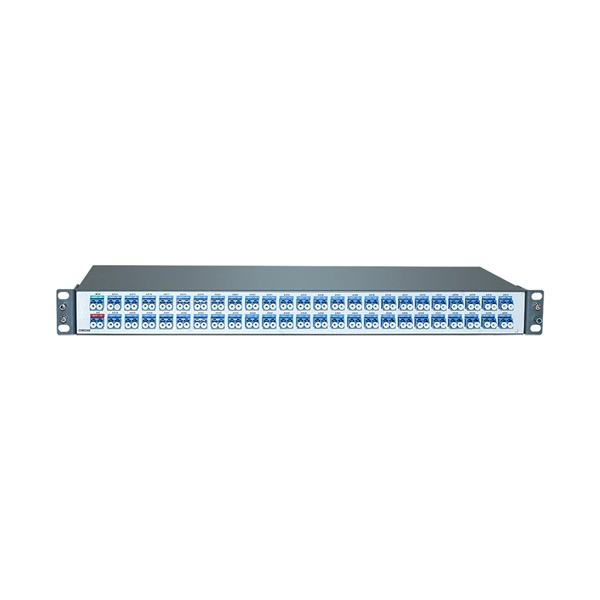
A safety light curtain is a photoelectric safety device that generates a protected zone using multiple parallel infrared beams between a transmitter and a receiver. If any beam is blocked by a hand, finger, or body part, the system detects the interruption and shuts down the...
[PDF Version]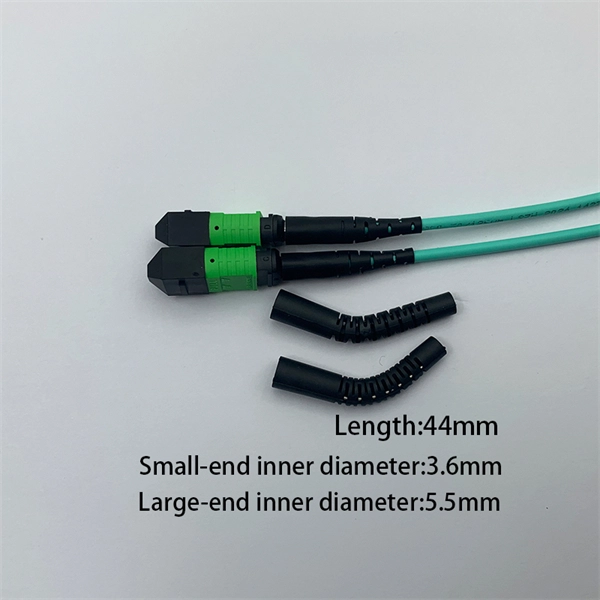
Safety Light Curtain Working Principle: Complete Industrial GuideLearn how a safety light curtain works, including its working principle, components, PLC i.
[PDF Version]The GL family of light curtains provide a variety of options. The high-powered GL-R Series includes a wide selection of pre-assembled mounting brac...
Conventional light curtains require regular maintenance to prevent stoppages and other problems due to decreased received light intensity. Such dec...
There is a critical difference between area sensors that are not safety rated and a safety light curtain. If an internal fault/error occurs in a sa...
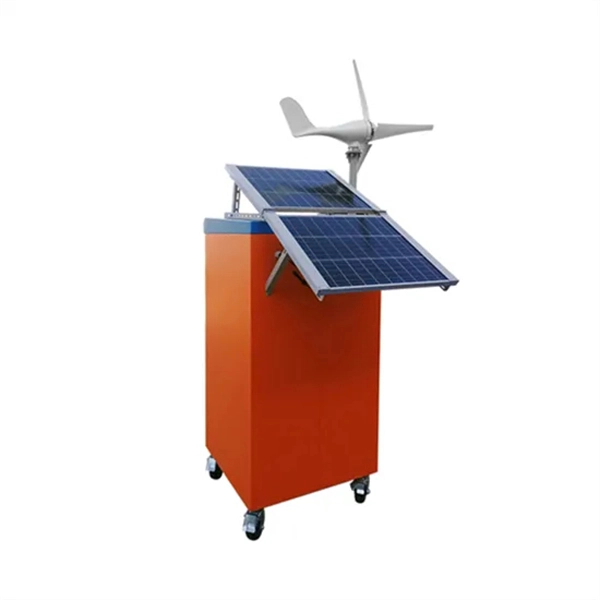
How a Light Sensor Alarm Works for Security and AutomationDiscover the engineering and hardware behind light sensor alarms. Learn how they convert light ch.
[PDF Version]
Arrayed waveguide gratings (AWG) are commonly used as in (WDM) systems. These devices are capable of many into a single, thereby increasing the capacity of considerably. The devices are based on a fundamental principle of, which states that of different wavelengths linearly...
Bidirectional (BiDi) Small Form-factor Pluggable transceivers utilize internal WDM diplexers to transmit and receive optical signals over a single strand of fiber using asymmetric wavelengths. By reading this blog, you will understand how SFP BiDi technology allows you to...
[PDF Version]
The basic working principle is that the fiber's end face is placed at or near the focal point of a lens. Light exiting the fiber spreads out; if positioned correctly relative to the lens, the lens converts that diverging cone into a beam with minimal divergence (a collimated...
The fiber optic sensor system uses two fiber ferrule sensors that are bonded on either side of a cantilever beam to measure the flow rate by monitoring the air-gap changes caused by the bending of the cantilever beam. It's a device that converts light rays into electronic...
[PDF Version]
At the heart of every optical transceiver lie three essential components, often called the “Three Pillars” of optical communication: Laser — generates light. Modulator — encodes data onto the light. Understanding the working principle of optical modules—especially SFP...
Share the fiber interfaces, termination capacity, cable route and evidence required for handover.