
Fiber connection and distribution references
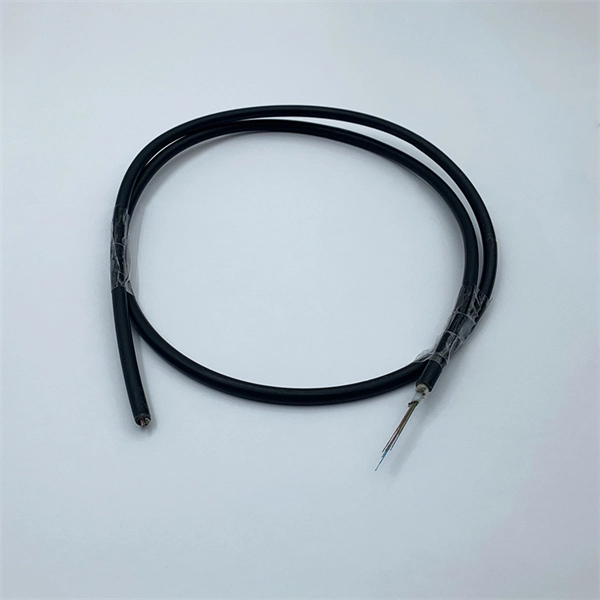
Fiber Optic Bend Radius: Best Practices, Installation Guidelines, and
Ignoring the minimum bend radius for fiber optic cable can result in signal loss, increased attenuation, and long-term reliability issues. This article provides a practical, installation-focused
Minimum Bend Radius Impact on Fiber Performance
This article explains how minimum bend radius limits are defined, why violations occur, and how bending affects optical stability in fiber networks.
Fiber Optic Cable Bend Radius: What Is It & Why It Matters
The fiber optic bend radius is one of the most important — yet often underestimated — factors in network performance. Whether in telecom
Fiber Cable Bend Radius Engineering Limits and Guidelines
Proper bend radius control ensures the integrity of optical performance and protects the glass fiber from unnecessary stress throughout installation and service life. Bend radius requirements
What is Fiber Optic Bend Radius: A Beginner''s Guide
Bend radius, which measures the inside curvature of the cable, is the minimum radius installers can bend optical fibers without damaging their performance. It is a vital parameter that
5 Essential Tips on Fiber Bend Radius for Optimal Performance
Understanding and managing fiber bend radius is essential to prevent damage and maintain the efficiency of fiber optic communications. By following these guidelines, you can ensure
How Fiber Optic Bend Radius Affects Performance | Equal Optics
When a fiber optic cable is bent too sharply, it can''t carry information the way it''s supposed to. The light that normally travels smoothly through the cable becomes disrupted, and the connection
The FOA Reference For Fiber Optics-Installing Fiber Optic Cable
Bending of a fiber optic cable can damage the cable if the curvature of the bend is too small. Damage may not always be obvious, like a kink in the cable, but may include broken fibers, fibers with higher
Fiber Bend Radius Guide – LightOptics®
Bend radius is how sharply a cable can safely bend without causing damage by creating micro cracks on the glass fibers. Bending a fiber cable excessively can also cause the optical signal to refract and
Fiber Optics: Understanding the Basics
• Electrical Isolation — Fiber optics do not need a grounding connection. Both the transmitter and the receiver are isolated from each other and are therefore free
How does fiber optics work?
An easy-to-understand introduction to fiber optics (fibre optics), the different kinds of fiber optic cables, and how light travels down them.
The FOA Reference For Fiber Optics
The index profile of the core of multimode GI fiber is not continuous, which is hard if not impossible to manufacture, but is in steps, from hundreds of steps to
The FOA Reference For Fiber Optics-Installing Fiber Optic Cable
The normal recommendation for fiber optic cable is the minimum bend radius under tension during pulling is 20 times the diameter of the cable (d). When not under tension (after installation), the
Fiber Optic Connectors Figure 1
Fiber-to-fiber interconnection can consist of a splice, a permanent connection, or a connector, which differs from the splice in its ability to be disconnected and reconnected. Fiber optic connector types
Can ordinary fiber optic cables be bent?
However, you do not need to let this concern grow out of proportion. You just need to take under consideration the following bits of information we''re about to show you, and you will be able to get
Bend Radius — How It Can Impact Your Cable Performance?
Usually, fiber optic cable is made from two bend sensitive materials: plastic or glass. It is broken easily when kinked or bent too tightly to exceed the minimum bend radius of cable.
8.1: Optical Fiber
To see why, consider that optical wavelengths range from 120 nm to 700 nm in free space. Wavelength is slightly shorter than this in fiber; specifically, by a factor
Fiber Optic Connectors Tutorial
SC fiber optic connector basic structure More than a dozen types of fiber optic connectors have been developed by various manufacturers since 1980s. Although the mechanical design varies a lot
Related Video Reference
This video was associated with the source search result. Verify technical details against current product documentation and project requirements.