
Protection Relay Types And Testing Procedures
Search optical fiber, connectivity, cable management and network infrastructure references.
-
Standard Number for Relay Protection Operation Procedures
The widely used United Sates standard ANSI/IEEE C37. 2 'Electrical Power System Device Function Numbers, Acronyms, and Contact Designations' deals with protective device function numbering and acronyms. This handbook covers the code of practice in protection circuitry...
[PDF Version]
-
Relay Protection Testing Mode
Primary Injection Test Kit – for injecting large currents directly into CT circuits. The testing and verification of relay protection devices can be divided into four groups: Type tests are needed to prove that a protection relay meets the claimed specification and follows...
[PDF Version]
-
Microcomputer Relay Protection Testing Equipment
Protection relay test sets, or relay testers, verify relays and microcomputer protections by simulating complex transient, permanent, and conversion faults. This is done to ensure a power system's reliability and safety during installation and commission. Meet all test...
[PDF Version]
-
What are the four types of relay protection devices
Types of Protective Relays: Protective relays are categorized by their mechanism (electromagnetic, static, mechanical) and function (time-based, current, voltage). Engineering use: Relays are used on feeders, transformers, buses, motors, generators, and transmission lines to...
-
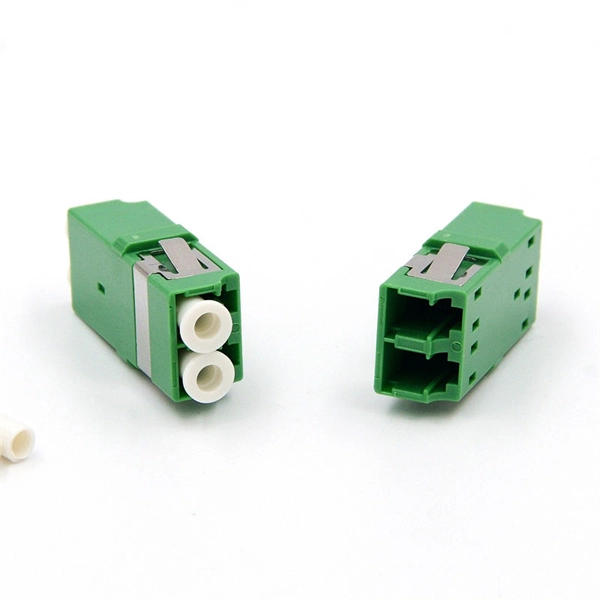
Qualification for Relay Protection Testing
Protection Relay Testing and CommissioningThe testing and verification of relay protection devices can be divided into four groups: Type tests are needed t.
[PDF Version]
-
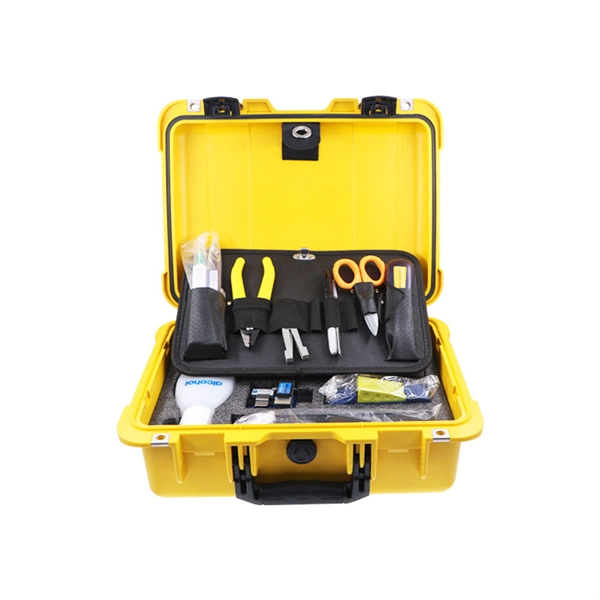
Comprehensive Order for Enabling and Deactivating Relay Protection
The objective of relay protection is to quickly isolate a faulty section from both ends so that the rest of the system can function satisfactorily. The functional requirements of the relay:.
-
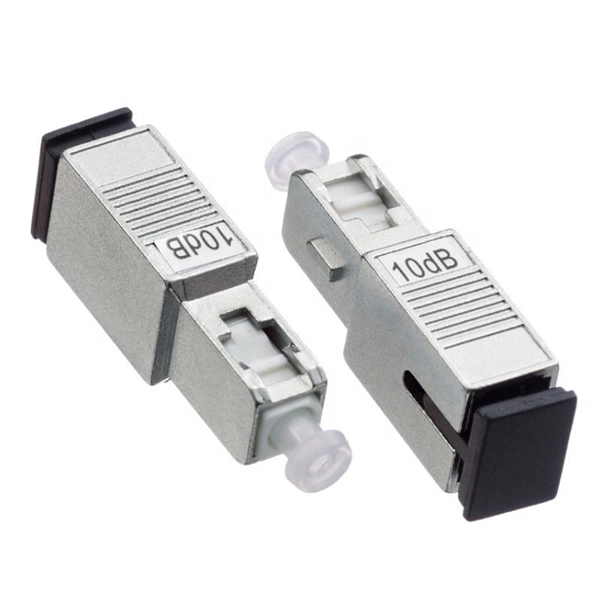
Three-stage line relay protection
Three-stage over-current protection is the most typical over-current protection of power lines. It includes transient rapid-break over-current protection (stage I protection), time-bound rapid-break over-current protection (stage II protection), and definite time. Three-Step...
[PDF Version]
Explore the next connection
- Characteristics and Functions of Cable Trays
- Spain purchases LPO optical active equipment
- Installation of home electrical distribution box with zero line
- Why did the optical fiber break inside the cold splice
- Materials for Landscape Distribution Boxes
- The role of the 40km optical module
- Connection between core switch and DTU
- Can yellow pigtails be used outdoors
- Practicality of Spectrometers