
Fiber connection and distribution references
Troubleshooting Common Fiber Splice Issues
Massachusetts weather, especially freezing winters and humid summers can weaken poorly protected fiber splices, cause moisture infiltration, and increase the risk of bends or breaks in
Why Fiber Splicing Fails — And How to Fix It. A Practical
In this edition of our LinkedIn Newsletter, we break down the four biggest reasons fiber splicing fails and how you can fix them instantly.
Fiber Optic Splicing: Examining the Factors that Affect
The performance of a fiber optic splice is determined by a number of factors, including the quality of the fiber, the cleanliness of the splice, and the techniques used to make the splice.
Fiber Optic Cable Failures in the Field And How to
Exposure to extremes of heat or cold, or rapid temperature fluctuations, can cause expansion and contraction in the cable materials, leading
Guide to Maintaining and Troubleshooting Fiber Optic Splice Closure
To troubleshoot this issue, you can try the following: Verify the alignment of the fibers and adjust as necessary. Check for any signal distortion caused by environmental factors such as
How to Avoid Common Fiber Optic Splicing Errors
Damage can occur from scratches, cracks, nicks, or bends in the fiber. To avoid this, you should always clean the fibers with lint-free wipes and alcohol before splicing.
how-to-solve-the-breaking-of-the-optical-fiber
Optical fiber is generally made of three wires side by side, but the real fiber which functions is the one sandwiched in the middle, the main role of the two side wires is to protect the middle one, because
White Paper: Troubleshooting Fiber
Worn or damaged latching mechanisms on connectors or adapters are sometimes the culprit. Within the link itself, the fiber may have experienced microbends or macrobends, or it could have been
Optical Fiber Splicing: The Complete Technical Guide to Methods
This guide breaks down the fundamentals of optical fiber splicing, compares fusion and mechanical techniques, explains factors that influence splice loss, and outlines best practices for protection and
Fiber Optic Splicing: A Beginner''s Guide
Fiber optic splicing joins two fiber optic cables end to end seamlessly to create a continuous path for light signal, including mechanical and fusion splicing.
Fiber Optic Cable Splicing Methods: A Practical Guide
Learn fiber optic cable splicing methods: fusion splice techniques and more. A practical guide to optic cable splicing for reliable fiber optics.
how-to-solve-the-breaking-of-the-optical-fiber
What should we do if my fiber optic is broken? There are 2 solutions to the problem - cold splicing and Fusion splicing. It tells the difference between the 2
The FOA Reference For Fiber Optics
Many high fiber count cables today are made from ribbons of fibers, usually 12 fibers per ribbon. Splitting all those fibers out to splice individually would be time consuming, so ribbon fusion splicers, also
The principle of optical fiber cold splice technology
Principle of Optical Fiber Cold Splice Technology Optical fiber cold splice technology is based on the use of mechanical connectors to join two fiber-optic cables. These connectors are
Optical fiber cold splicing and hot melting steps
Optical communication is now the dominant network transmission method in society, which is nothing more than because it has many advantages and is now a new transmission medium. The
White Paper: Troubleshooting Fiber
After permanent link testing, which doesn''t include the fiber jumpers and is considered best practice for new installations, subsequent channel testing might
The Fiber Optic Association
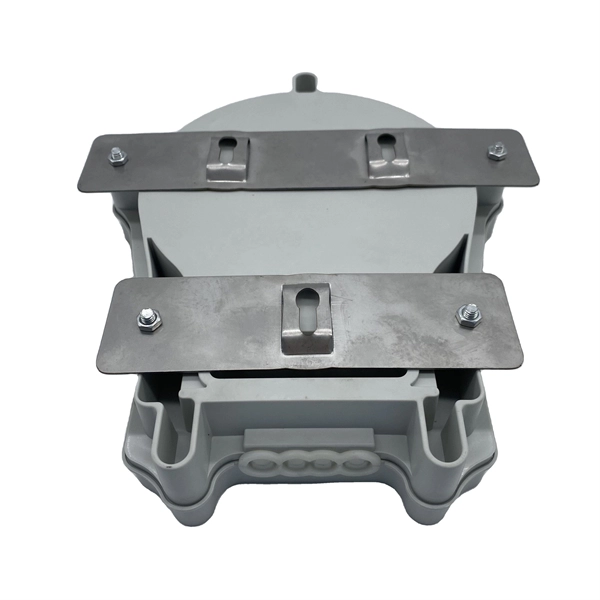
Fiber Optic Splice Closures Once fibers are spliced, they need to be protected. For protection against the outside plant environment and damage, splices require
fiber optic cold connection
Unlike fusion splicing, which uses heat to join two optical fibers together, cold connection uses mechanical means to create a stable and low-loss connection. In this article, we will explore the
Related Video Reference
This video was associated with the source search result. Verify technical details against current product documentation and project requirements.