
How big is the ASEAN Warehousing and Distribution Logistics Market?
The ASEAN Warehousing and Distribution Logistics Market size is expected to reach USD 63.50 billion in 2024 and grow at a CAGR of 6.20% to reach US...
Search optical fiber, connectivity, cable management and network infrastructure references.
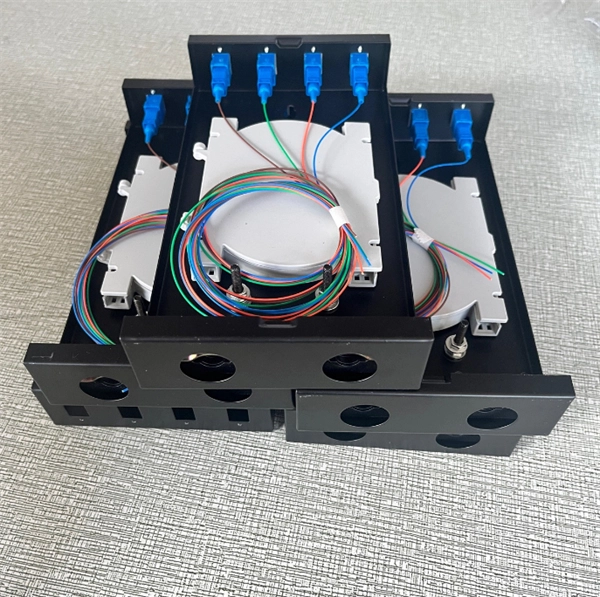
ASEAN's Container Market Report 2026 Demand for industrial and consumer containers in ASEAN is fundamentally a derivative of activity in core economic sect.
[PDF Version]The ASEAN Warehousing and Distribution Logistics Market size is expected to reach USD 63.50 billion in 2024 and grow at a CAGR of 6.20% to reach US...
In 2024, the ASEAN Warehousing and Distribution Logistics Market size is expected to reach USD 63.50 billion. Read More
Agility Logistics, DB Schenker Logistics, DHL Group, CJ Century Logistics and Keppel Logistics are the major companies operating in the ASEAN Wareh...
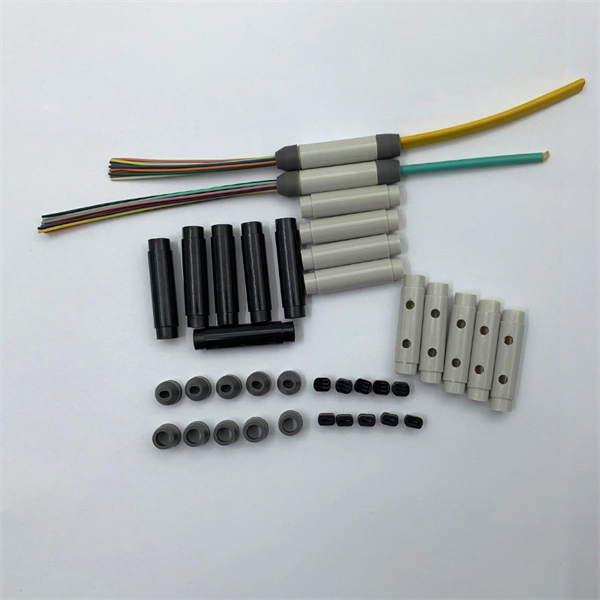
To meet various transmission rate requirements, optical modules with different rates are provided, including 400GE, 100GE, 40GE, 25GE, 10GE, GE, and FE optical modules. A higher transmission rate depends on a more complex structure. Both of the modules are PAM4, which is an...
[PDF Version]
Dual fiber modules use two fibers. They are easier to set up and give steady communication. They cost less and are easier. In the era of 5G, AI, and high-speed data centers, optical modules serve as the core bridge for converting electrical signals to optical signals (and...
[PDF Version]
In optical communication, Dispersion Compensation Fiber (DCF) is a crucial technology used to mitigate dispersion effects in transmission links. By combining DCF, which has a large negative dispersion, with standard communication fibers, the dispersion in the link can be...
[PDF Version]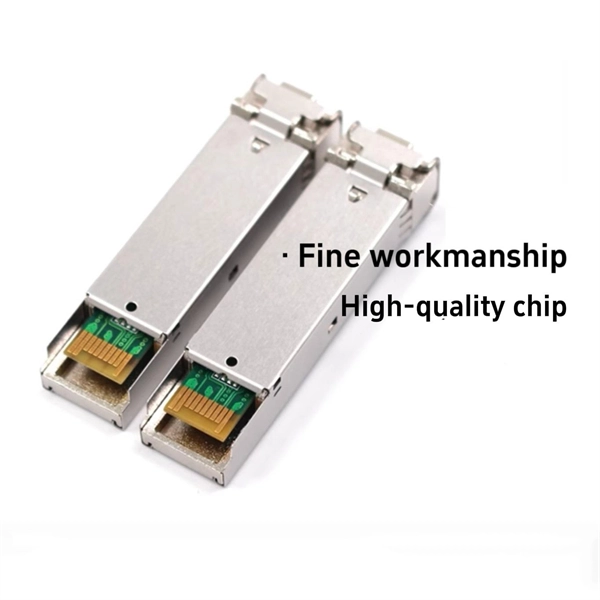
In conclusion, OM3 fiber cables are predominantly light blue or aqua in color, as per industry standards. Color-coding is a big help when identifying individual fibers, cable, and connectors. For example, cable jacket color typically defines the fiber type, and can differ...
[PDF Version]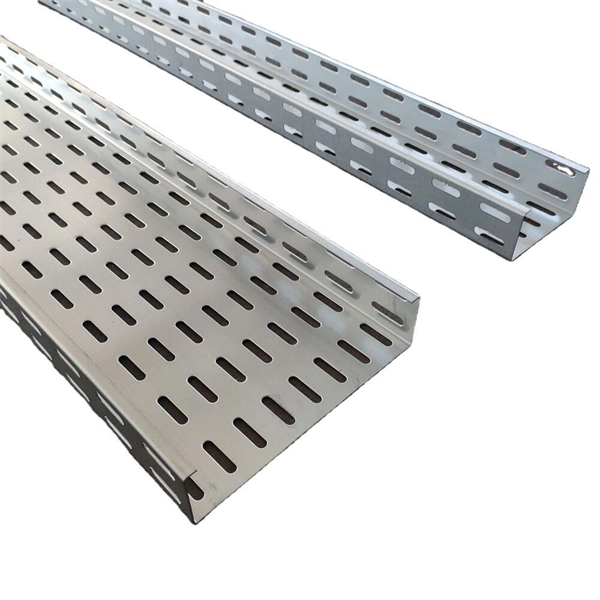
Common types of cable trays include: Side rails connected by transverse rungs. Provide good ventilation and easy cable tie-down. In this guide, we walk you through the primary types of network cabling, from their technical specifications to practical applications and factors...
[PDF Version]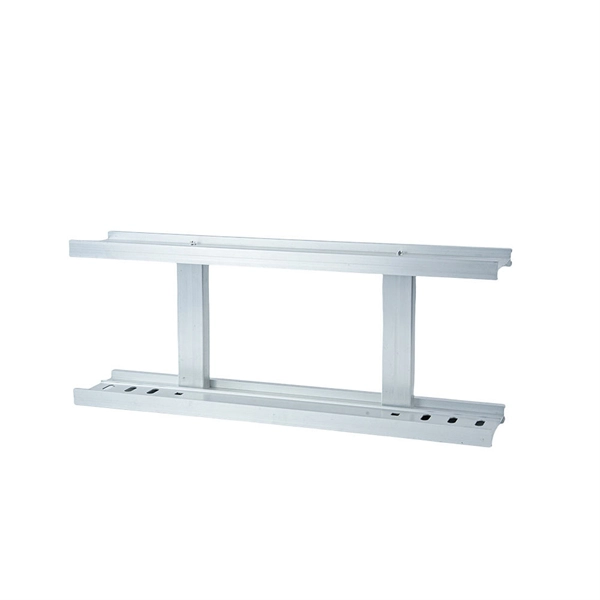
45° & 90° flat bends are available for light, medium and heavy duty cable tray systems with widths ranging from 50mm – 900mm. In this blog, we'll explore the various types of bends commonly used in wire mesh cable trays and discuss their applications and techniques in detail...
[PDF Version]
The three most common configurations in the B2B marketplace are 63A, 100A, and 200A — each serving distinct application scenarios with different cost structures and buyer expectations. When sourcing distribution boxes on Alibaba. What Is Current Rating? In engineering, power...
[PDF Version]Share the fiber interfaces, termination capacity, cable route and evidence required for handover.