
Optical Communications
Search optical fiber, connectivity, cable management and network infrastructure references.
-
East Asia Communications Optical Cable Pole
EAC-C2C is a interconnecting several countries in Asia, the Pacific, and the United States. It is a merger of the former EAC (East Asia Crossing) and C2C cable systems. The merger occurred in 2007 by Asia Netcom, and the cable system is now owned/operated by. Pacnet was...
-
Serbian optical transmitter 25G
FS's SFP28-25GER-31 is a very compact optical transceiver module converts 25Gbit/s serial CML electrical data into serial optical data compliant with the 25GBASE-ER standard.
-
Fiber distribution box for fixing optical cables
The fiber distribution box, also known as the optical fiber termination box, is a critical component in fiber optic networks. It acts as a central point for terminating, splicing, and distributing these cables, providing necessary protection and. Fiber distribution box is...
[PDF Version]
-
Optical fiber cables have high reflectivity
Fiber optic cables use total internal reflection to keep light signals bouncing within the core, allowing data to travel quickly and with minimal loss. Reflectance (which has also been called "back reflection" or optical return loss) of a connection is the amount of light...
-
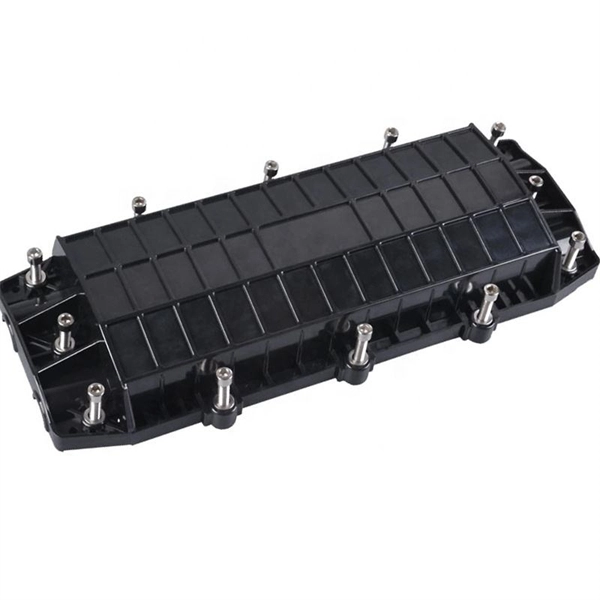
72-core optical cable broken
This guide provides a detailed roadmap for locating and fixing fiber optic cable breaks, covering detection techniques, repair methods, and best practices. With CommMesh's advanced tools and solutions, you'll learn how to restore networks seamlessly. However, physical damage...
-
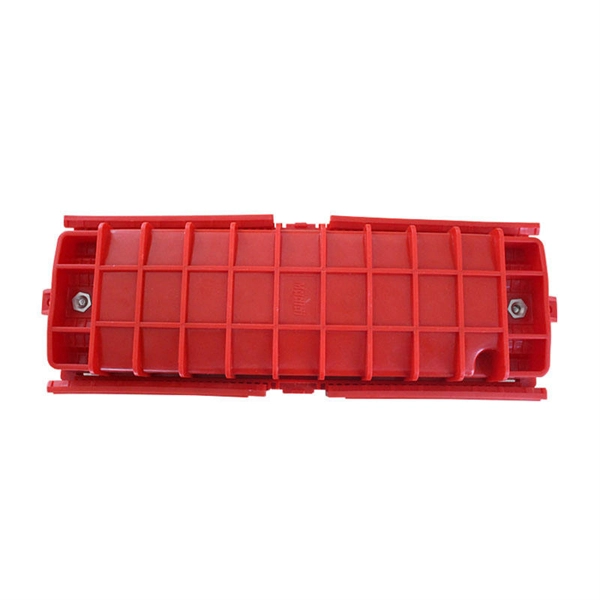
Requirements for Laying Bundle-shaped Indoor Optical Cables
103 describes characteristics, construction and test methods for optical fibre cables for indoor applications. In order for an optical fibre to perform appropriately, characteristics that a cable should have been described. Also, the method of determining whether the cable...
[PDF Version]
-
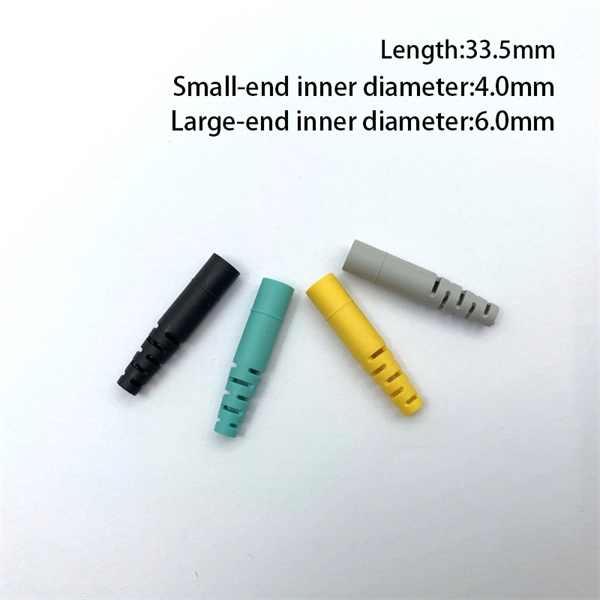
Do both ends of the optical fiber in a splitter need to be used
These passive devices split an input optical signal into two or more output paths, allowing the signal to be transmitted to different terminals. They have been used since the 1980s to create networks and provide the technology for today's passive optical networks used in...
[PDF Version]
Explore the next connection
- Fiber Optic Cable Splicing and Quick Fiber Coiling Techniques
- Residual Current of AC DC Integrated Power Supply
- 10G Hybrid Optical Electro-optical Cable for Edge Computing
- Fiber optic cable splice closure heat shrink tubing fixing adhesive
- Ranking of Bus Connector Manufacturers
- 24-core GPGW optical cable
- How are prefabricated electrical distribution boxes made
- High Sensitivity Fiberglass Hard Tail Float
- Will aluminum alloy cable trays rust