
Fiber connection and distribution references
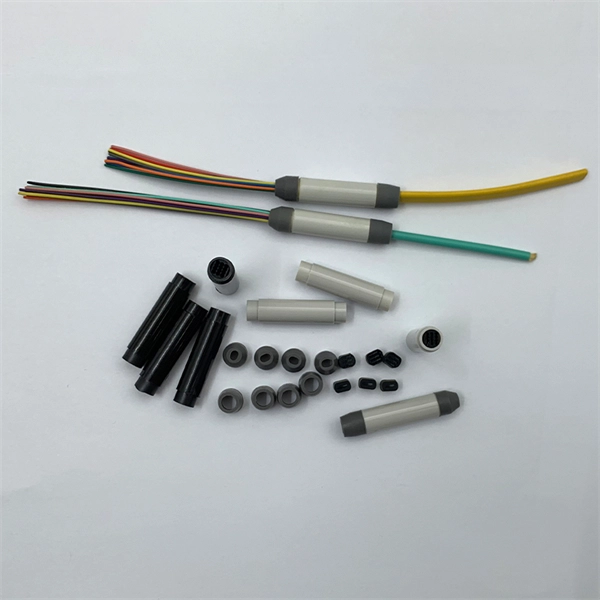
Fiber Optic Splicing Types, Methods, and Applications
Fiber optic splicing explained with types, methods, step-by-step guide, real applications, expert tips, common mistakes, FAQs, and splicing best practices.
The Ultimate Guide to Splicing of Fiber: Techniques and Tips
Master fiber splicing with Phoenix Communications in Shrewsbury, MA. Discover expert techniques and tips for boosting network performance and reliability.
Fiber Optic Cable Splicing Methods: A Practical Guide
Learn fiber optic cable splicing methods: fusion splice techniques and more. A practical guide to optic cable splicing for reliable fiber optics.
The Complete Step-by-Step Guide to Fiber Optic Splicing
In this guide, we cover the basics of fiber optic splicing, how to perform splicing using two different methods, and finally some best practices to perform good fiber splicing.
Optical Fiber Splicing: The Complete Technical Guide to Methods
This guide breaks down the fundamentals of optical fiber splicing, compares fusion and mechanical techniques, explains factors that influence splice loss, and outlines best practices for protection and
Fiber Splicing Techniques Explained for Beginners
Splicing fiber made simple: follow step-by-step techniques for strong, reliable cable connections using mechanical and fusion methods. Discover expert insights on fiber installation and
An Overview of Splicing Techniques: Pros and Cons of Different
In this blog, we''ll explore the main types of fiber optic splicing techniques, their advantages, limitations, and how to decide which method best suits your project.
Splicing Fiber Optic Cables: Methods and Techniques
Learn how fiber splicing works, including the difference between fusion splicing and mechanical splicing, step-by-step splicing methods, and how to choose the right fiber optic splicer for
Fiber Splicing & Winding Tutorial – Step-by-Step Guide
Learn fiber splicing and winding in 5 steps with pro tips on stripping, cleaving, fusion, and sleeve protection. Ensure low-loss, reliable fiber connections.
Understanding Fiber Optic Splicing: Techniques and
This article covers two of the basic methods of splicing fiber optic cables– fusion and mechanical – and discusses the tailor-made tools that make
The FOA Reference For Fiber Optics
Fiber optic joints or terminations - where cables are terminated - are made two ways: 1) connectors that mate two fibers to create a temporary joint and/or
Fiber Optic Cable Splice: The Most Complete Guide
Understanding Fiber Optic Cable Splicing Fiber optic splicing represents the technique of durably linking two optical fibers to establish an
Fiber-Optic Cable Splicing
Fiber-Optic Cable Splicing The article discusses the methods, tools, and challenges involved in fiber-optic cable splicing, including fusion splicing, cleaving, and
VHO-Splice-fusion
This FOA virtual hands-on (VHO) tutorial on fiber optics covers fiber optic cable splicing using a typical portable fusion splicer. It is copyrighted by the FOA and may not be distributed without FOA permission.
Fiber Optic Splicing Made Easy Real-Time Demo!
🔧 Watch a real-time fiber optic splicing demo in action! In this step-by-step tutorial, learn how to splice fiber optic cables like a pro — perfect for telecom technicians, network engineers
What Is Fiber Optic Cable Splicing? A Beginner''s Guide
Explore fiber optic cable splicing and its advantages over connectorization. Learn how to join and extend fiber optic cables effectively.
What is Fiber Optic Cable Splicing?
Fusion splicing is used by many telecommunications and cable television providers for long-haul single-mode networks, although mechanical splicing is used for shorter local cable lengths.
Fiber U Basic Skills Lab Workbook-splicing
Tools And Materials Needed Safety Glasses ST patch cord Fiber Optic stripper Test equipment: VFL and OLTS, reference test cables Scribe Miller Jacket stripper Trash bin Mechanical Splice
Related Video Reference
This video was associated with the source search result. Verify technical details against current product documentation and project requirements.