
Optical Bandwidth
Search optical fiber, connectivity, cable management and network infrastructure references.
-
What bandwidth options are available for optical modules in a switch
QSFP starts at 40 Gbps, with QSFP28 and QSFP-DD modules supporting 100–400 Gbps, making them ideal for bandwidth-heavy environments such as cloud data centres, video streaming backbones, and large enterprise cores. SFP (Small Form-factor Pluggable) modules are hot-swappable...
[PDF Version]
-
Serbian optical transmitter 25G
FS's SFP28-25GER-31 is a very compact optical transceiver module converts 25Gbit/s serial CML electrical data into serial optical data compliant with the 25GBASE-ER standard.
-
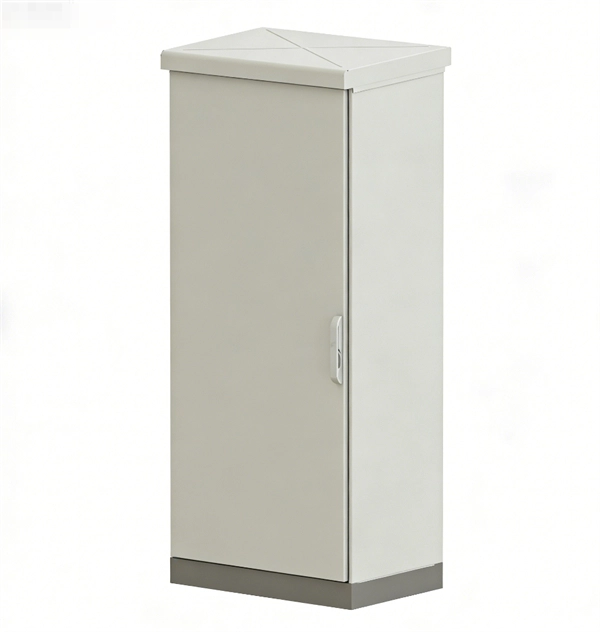
Fiber distribution box for fixing optical cables
The fiber distribution box, also known as the optical fiber termination box, is a critical component in fiber optic networks. It acts as a central point for terminating, splicing, and distributing these cables, providing necessary protection and. Fiber distribution box is...
[PDF Version]
-
Optical fiber cables have high reflectivity
Fiber optic cables use total internal reflection to keep light signals bouncing within the core, allowing data to travel quickly and with minimal loss. Reflectance (which has also been called "back reflection" or optical return loss) of a connection is the amount of light...
-
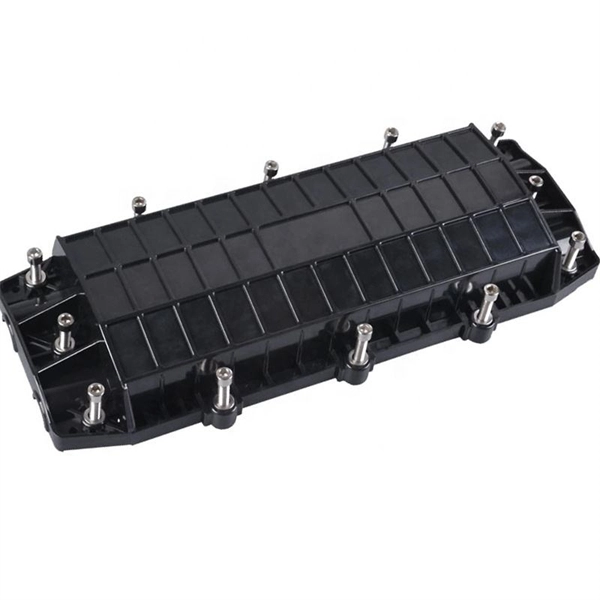
72-core optical cable broken
This guide provides a detailed roadmap for locating and fixing fiber optic cable breaks, covering detection techniques, repair methods, and best practices. With CommMesh's advanced tools and solutions, you'll learn how to restore networks seamlessly. However, physical damage...
-
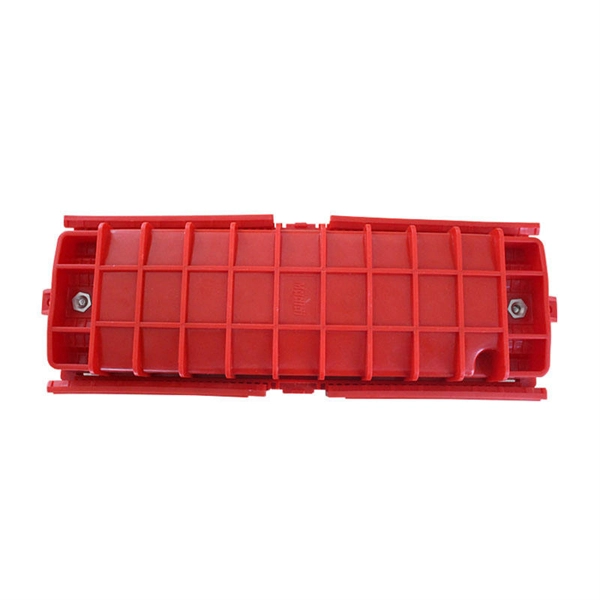
Requirements for Laying Bundle-shaped Indoor Optical Cables
103 describes characteristics, construction and test methods for optical fibre cables for indoor applications. In order for an optical fibre to perform appropriately, characteristics that a cable should have been described. Also, the method of determining whether the cable...
[PDF Version]
-
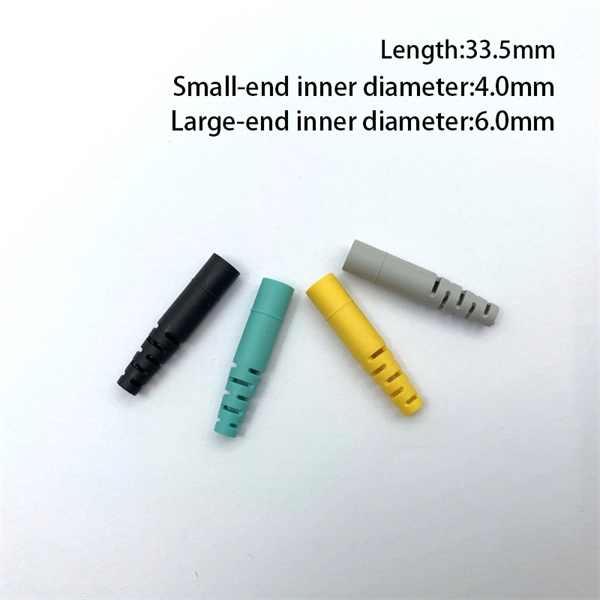
Do both ends of the optical fiber in a splitter need to be used
These passive devices split an input optical signal into two or more output paths, allowing the signal to be transmitted to different terminals. They have been used since the 1980s to create networks and provide the technology for today's passive optical networks used in...
[PDF Version]