
Network Cable Types And Specifications
Search optical fiber, connectivity, cable management and network infrastructure references.
-
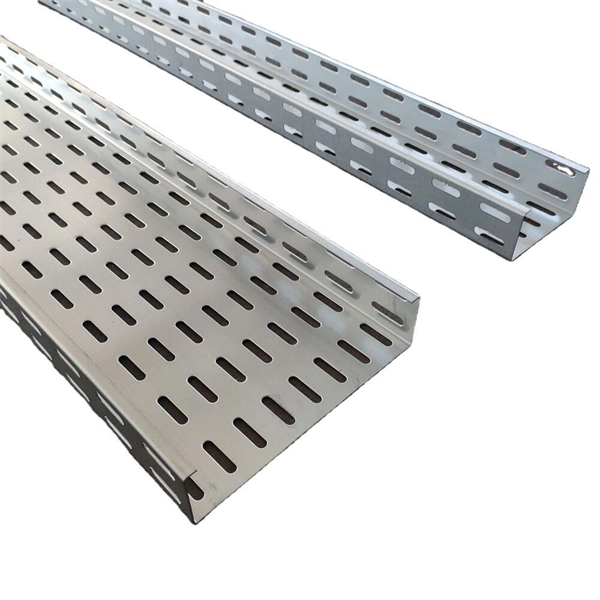
What are the different types of network cable trays
Common types of cable trays include: Side rails connected by transverse rungs. Provide good ventilation and easy cable tie-down. In this guide, we walk you through the primary types of network cabling, from their technical specifications to practical applications and factors...
[PDF Version]
-
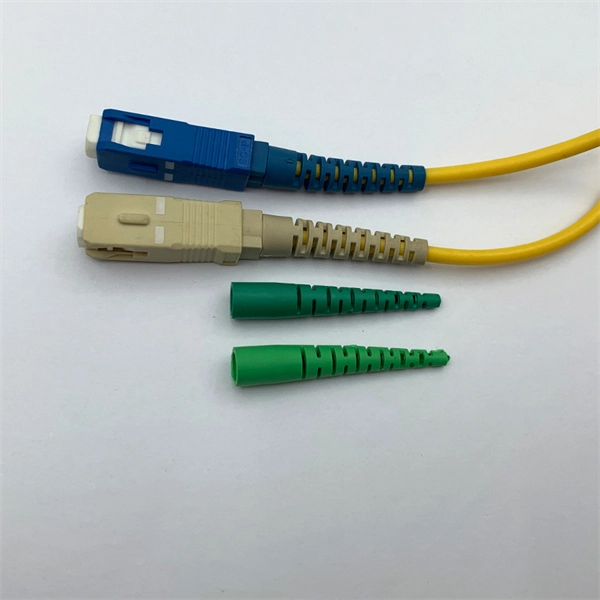
Standard dimensions and specifications of network cabling cabinets
Standard width is 19 inches (EIA-310 compliant), while outer widths vary (e. 5″) to allow space for cable management and airflow. Options include 24″, 36″, 42″, 48″, and 59″. Three key specifications — ANSI/EIA RS-310-D, IEC 60297-2, and DIN 41494 — have defined the...
[PDF Version]
-
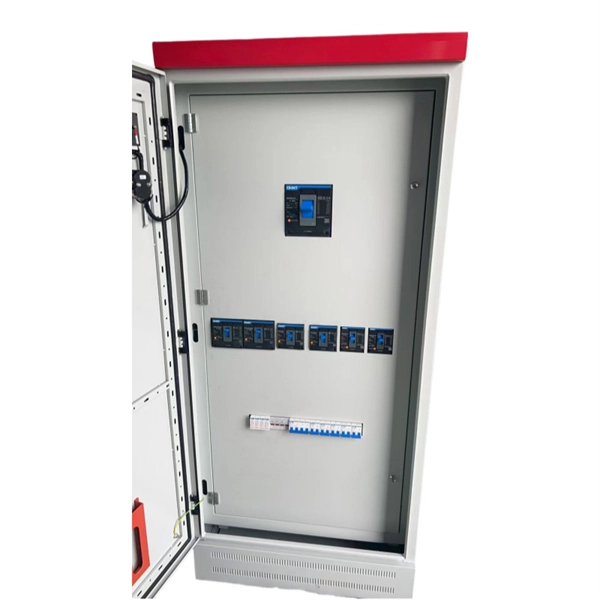
Types of straight-through cable trays
Explore all types of cable trays—ladder, perforated, basket, solid, and channel. Each cable tray type performs a different function and comes in various materials such as aluminum. Cable tray systems are engineered support structures designed to route, support, and protect...
[PDF Version]
-

Can an Ethernet optical module be used as a network cable
The short answer is no - RJ45 connectors are designed for electrical Ethernet signals, while fiber optics transmit light pulses through glass or plastic. However, modern networks often combine both technologies. SFP+ (Small Form-factor Pluggable Plus) modules are the most...
-
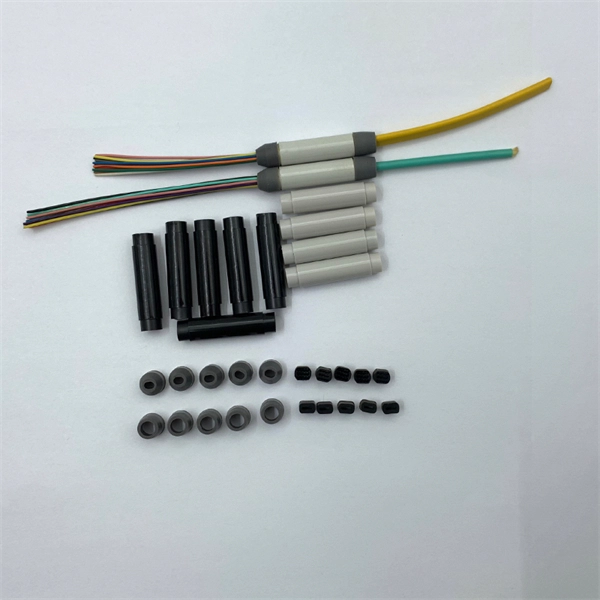
Specifications and dimensions of galvanized cable trays in Bangladesh
Height - 40mm,50mm, 75mm and 100mm. Finish - Pre-Galvanised as per IS-277, Powder Coated, Painted and Hot Dip Galvanised as per IS- 2629. Our trays are designed for long life, keeping the wires organized, protected and safe in adverse conditions in Bangladesh. Rust Resistant...
[PDF Version]