
Insertion Loss And Return Loss What You Need To Know
Search optical fiber, connectivity, cable management and network infrastructure references.
-
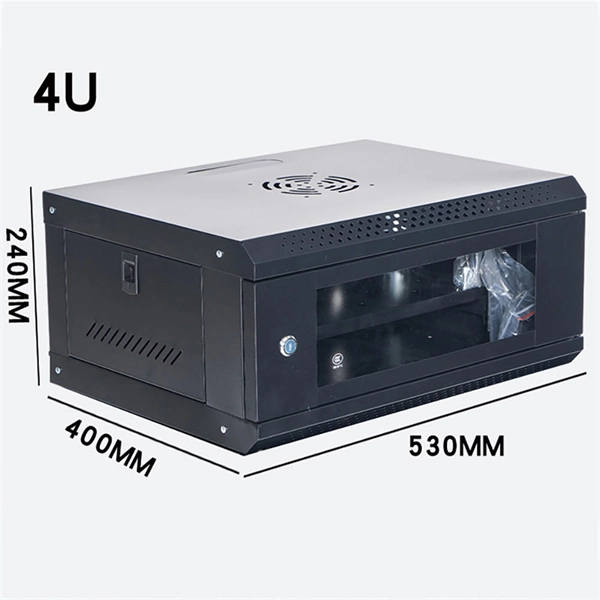
High-precision Paraguayan benchtop insertion and return loss meter
It combines three different working modes as a return loss meter, optical power and loss meter and a stable laser source in one test station. The LB5500 is a high-performance bench-top loss test station specifically designed for optical passive components production testing...
-
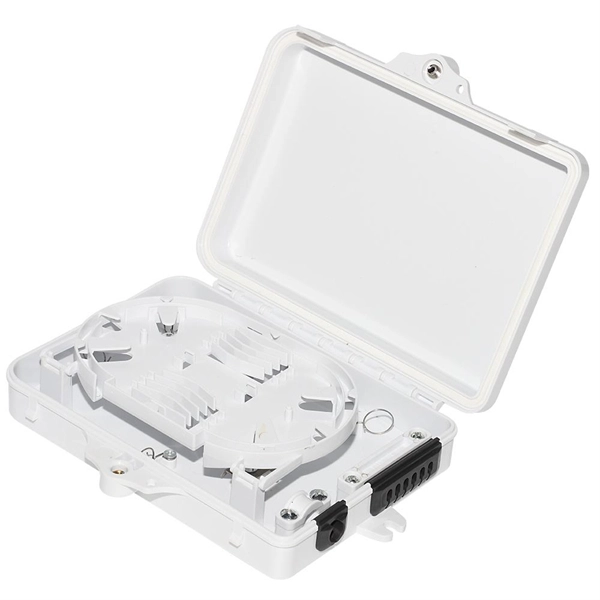
What is the acceptable loss level for fused optical cables
Acceptable dB loss for fiber depends on the component you're measuring: a single mated connector pair should lose no more than 0. 75 dB, a fusion splice should stay under 0. Q: What are the acceptable loss limits for fibre optic cabling? A: Acceptable loss limits vary based...
-
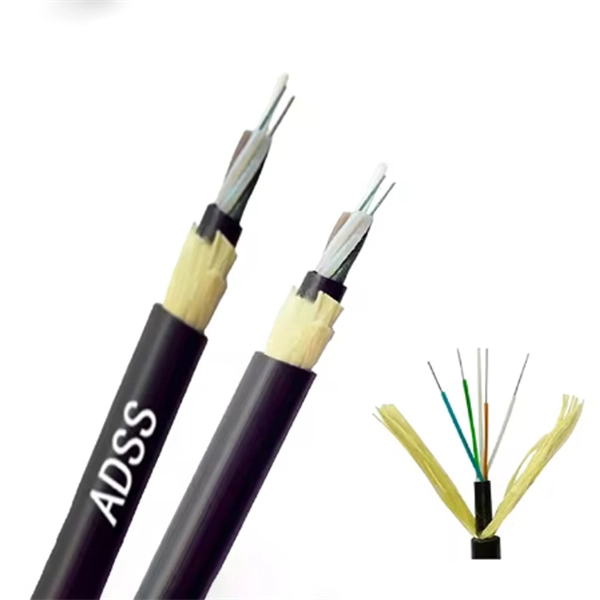
Optical splitter return loss rl
RL (dB) is the ratio of the reflected optical power to the incident optical power at the input port of optical signals. It is also called. In fiber-optic networks, insertion loss (IL) and return loss (RL) are two critical metrics that every engineer must understand. the...
[PDF Version]
-
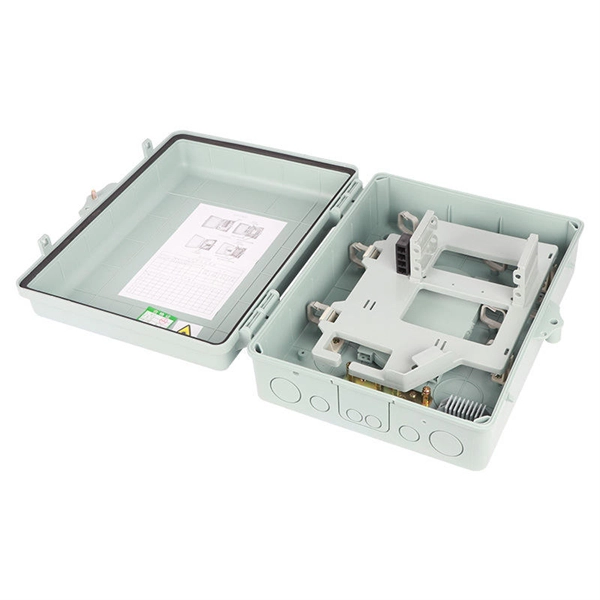
What is the loss standard for a 9km optical cable
Acceptable dB loss for fiber depends on the component you're measuring: a single mated connector pair should lose no more than 0. 75 dB, a fusion splice should stay under 0. When testing fibre optic cabling, determining acceptable loss is crucial. This depends on various...
-
What is the standard for beam splitter splitting loss
Fundamental properties of beam-splitters in classical and quantum opticsAbstract. A lossless beam-splitter has certain (complex-valued) probability amplitu.
[PDF Version]
Explore the next connection
- Price list for 12-core gigabit fiber optic cables
- Current Status of the Optical Cable Industry in 2021
- Relay protection algorithm integrated in
- Angola Cable Tray Specifications and Models
- Gigabit Single-Mode SFP Optical Module
- Optical fiber optic communication fiber
- Italian long-distance optical cable G 652
- Servers in the AI Era