
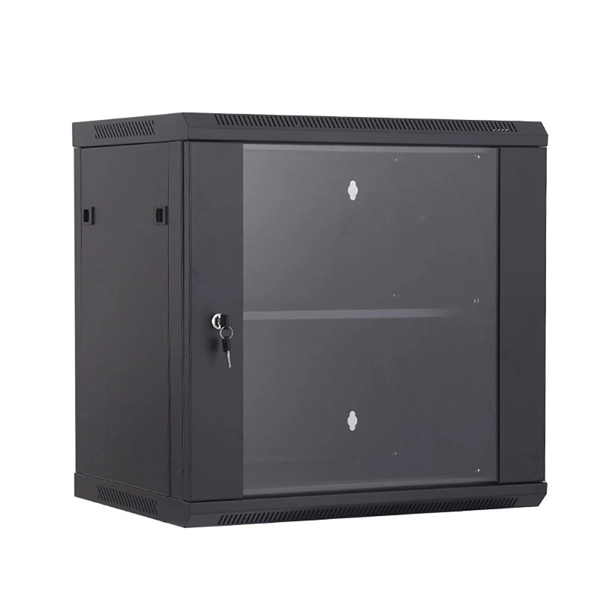
What is the width and depth of a server rack?
The standard width for a server rack is 19 inches, the most common size for rack-mounted IT equipment. The depth of server racks can vary, typicall...
Search optical fiber, connectivity, cable management and network infrastructure references.
This publication describes DLR network operation, topologies, configuration considerations, and diagnostic methods. Download firmware, associated files (such as AOP, EDS, and DTM), and access product release notes from the Product Compatibility and Download Center at...
[PDF Version]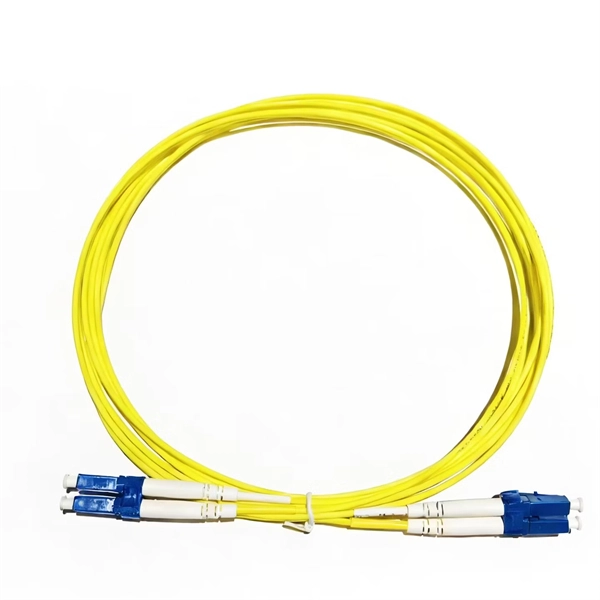
Configuring the Core Switch In this scenario, IP addresses of the interfaces connecting the core switch to the BRASs and firewalls and OSPF need to be conf.
[PDF Version]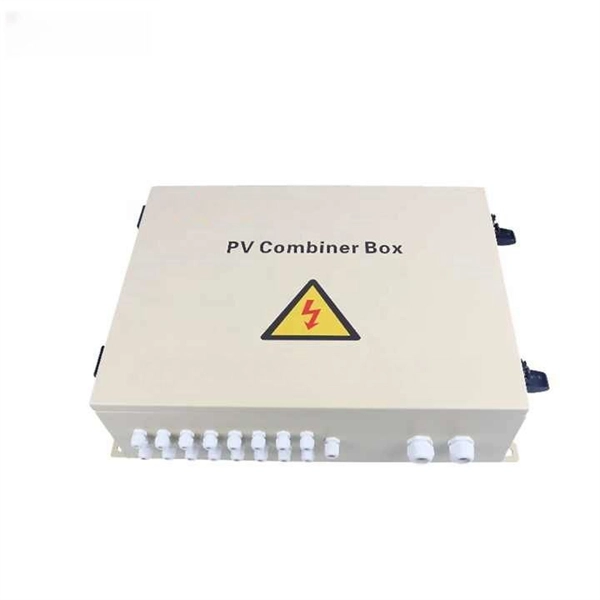
Server Rack Sizes: The Complete Guide to Standard, Below is a comprehensive, fully detailed guide covering all standard server rack sizes, form factors, he.
[PDF Version]The standard width for a server rack is 19 inches, the most common size for rack-mounted IT equipment. The depth of server racks can vary, typicall...
Server rack cabinets come in various sizes, but the standard width is usually 19 inches. The height is measured in rack units (U), typically 24U, 4...
A standard rack unit, abbreviated as "U," is 1.75 inches (44.45 mm) tall. This unit of measurement is used to describe the height of equipment inte...
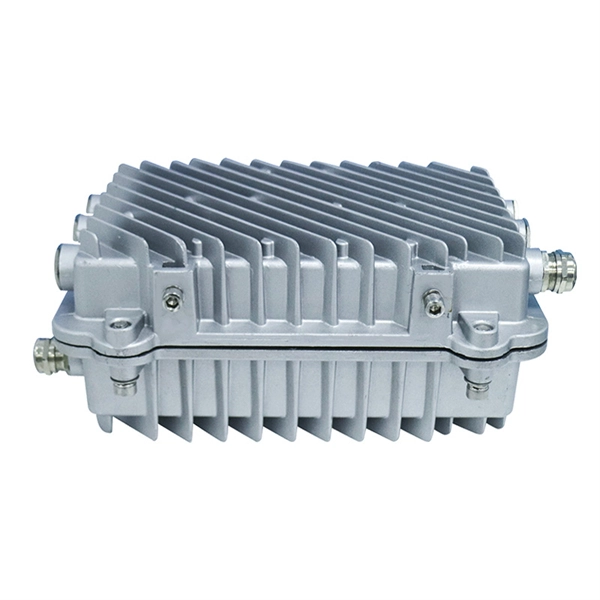
The recommended configuration is: 1 Main Switch: Controls the entire electrical system. X Room Socket Circuits: Each room should have its own circuit to manage regular sockets. In industrial and building electrical systems, the Powbinet, as a core device in the low-voltage...
[PDF Version]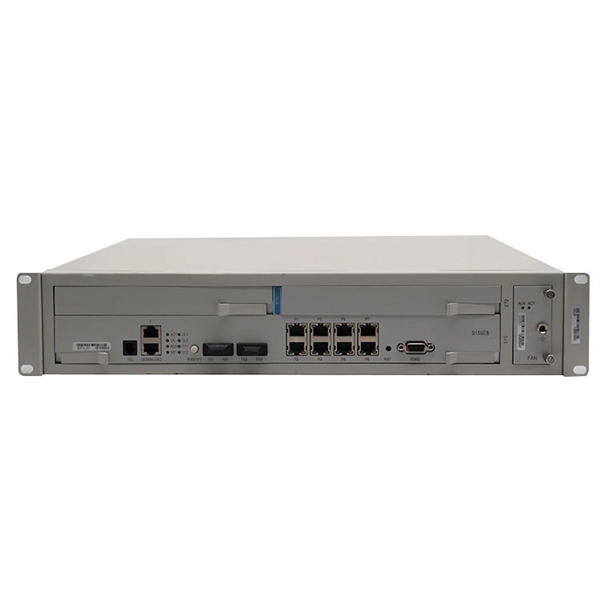
A cable management rack is designed to route, protect, and organize copper and fiber cables inside network cabinets. Beyond keeping cables tidy, a well-structured cable manager reduces cable stress, improves heat dissipation, and ensures bend-radius compliance for data. Poor...
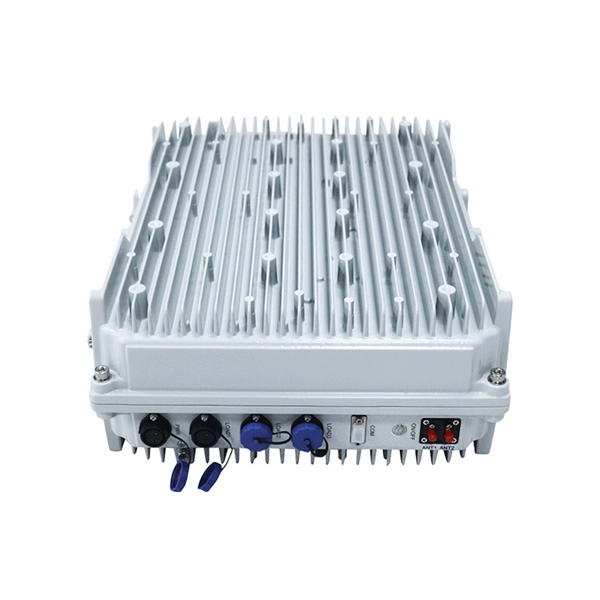
The SmartRack® SRW6U 6U network rack is designed to house EIA-standard 19-inch rack equipment in home and office network wiring closets, retail locations, classrooms, back offices and other are.
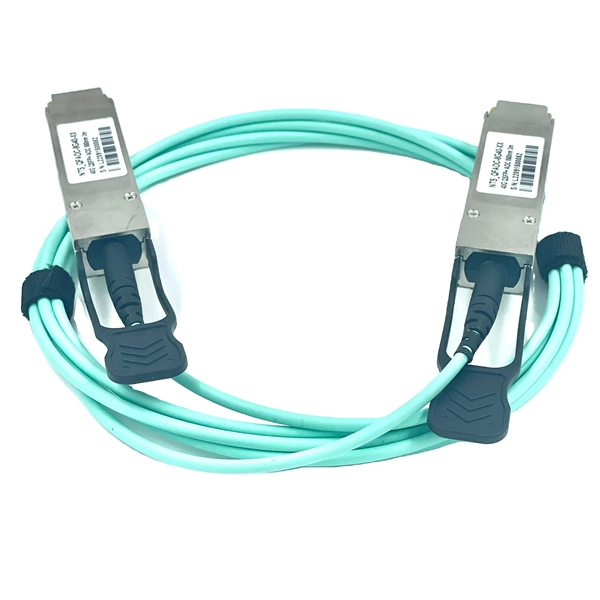
Single-Mode Fiber (SMF): Narrow core (8–10 µm) allows only one light mode, minimizing signal loss and enabling long-distance, high-bandwidth transmission. Multi-Mode Fiber (MMF): Wider core (50 or 62. Among the many components that contribute to the efficiency of fiber optic...
[PDF Version]Share the fiber interfaces, termination capacity, cable route and evidence required for handover.