
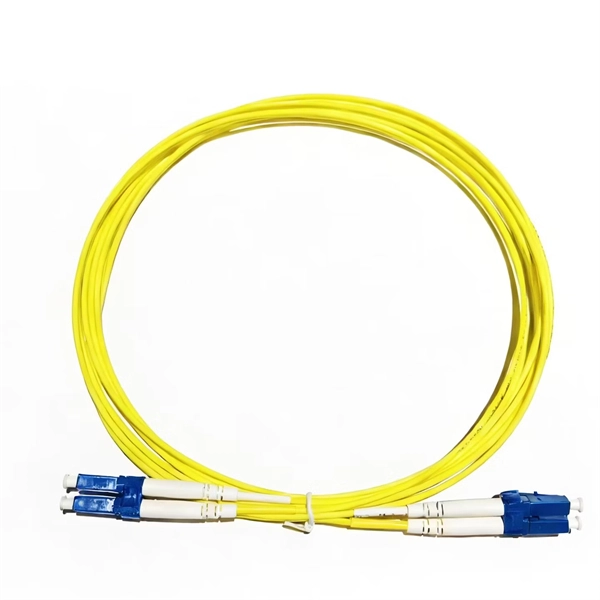
Fiber connection and distribution references
Configuring the Core Switch
In this scenario, IP addresses of the interfaces connecting the core switch to the BRASs and firewalls and OSPF need to be configured on the core switch, so as to implement connectivity
Example for Configuring a Small-Sized Campus Network
The following uses the switch CORE as an example to describe how to log in to a switch through the web system for the first time. The login methods of switches ACC1 and ACC2 are similar to that of
Solutions
Introduction Designing a LAN for the campus use case is not a one-design-fits-all proposition. The scale of campus LAN can be as simple as a single switch and wireless AP at a
AhmS3cOps/Campus-Network-Configuration-Lab
This project covers the full setup of a campus network in Cisco Packet Tracer: VLANs, trunking, spanning-tree optimization, redundancy with HSRP, routing with EIGRP, DHCP services, NAT/PAT
Campus LAN and Wireless LAN Solution Design Guide
The implementation of a well-designed Layer 3 access network ensures consistent, configuration, performance, scalability, and high availability of the network versus the traditional multilayer campus
Wired Core | Validated Solution Guide
The base configuration of the switch was previously described in the Switch Group Configuration section of this guide. The following procedure completes the switch configuration using
Hybrid Campus LAN Design Guide (CVD)
Designing a LAN for the campus use case is not a one-design-fits-all proposition. The scale of campus LAN can be as simple as a single switch and wireless AP at a small remote site or a large,
LAN Topologies
Layer 3 services for wired network hosts are moved from the core to VSX pairs of aggregation switches. A pair of core switches joins the aggregation switches together using high
Cisco Catalyst Switches Reviews from Real Users | TrustRadius
Cisco Catalyst Switches serve as foundational network infrastructure components, widely deployed across core, distribution, and access layers to provide essential network access and
Cisco Catalyst 9600 Series Switches Data Sheet
Cisco Catalyst 9600 Series switches have flexible interface types and port densities that allow you to mix and match network configurations to meet the
Multi-Campus/Branch Interconnection Networking Solution Design Guide
Multi-Campus/Branch Interconnection Networking Solution Design Guide In large-scale networking with branch chains or branch offices, branch networks need to access the Internet, HQ, DCs, or other
PLANET Technology 2025–2026 Switch Lineup: Six Models for Every Network
PLANET Technology continues to expand its managed switching portfolio with solutions that span the full spectrum of modern network requirements — from compact multi-gigabit PoE++
ITPro Today, Network Computing, IoT World Today combine
ITPro Today, Network Computing and IoT World Today have combined with TechTarget . The page you are looking for may no longer exist.
Network Switches for Business Environments | Omada by TP-Link
Omada network switches provide the wired infrastructure connecting access points, servers, computers, and networked equipment across your business. From small offices to multi-site operations, these
How to plan for a campus core switch refresh: Basic requirements
Big campus core switch refreshes typically occur every 5 to 10 years, or longer, depending on the switch. When evaluating switches, factor in future requirements.
Create a Storage Spaces Direct Campus Cluster | Microsoft Learn
A separate network path from each rack to the cluster quorum resource. Redundant top-of-rack (TOR) switches, core switches, and dedicated networks for Storage Spaces Direct storage
Enterprise Campus 3.0 Architecture: Overview and Framework
Document Objectives This document presents an overview of the campus network architecture and includes descriptions of various design considerations, topologies, technologies,
Meraki Campus LAN; Planning, Design Guidelines and Best Practices
This document provides best practices and guidelines when deploying a Campus LAN with Meraki which covers both Wireless and Wired LAN.
Related Video Reference
This video was associated with the source search result. Verify technical details against current product documentation and project requirements.