
How can you identify intermittent network connectivity issues?
You can identify intermittent network connectivity issues using Obkio's Network Monitoring Solution which continuously sends packets every 500ms to...
Search optical fiber, connectivity, cable management and network infrastructure references.
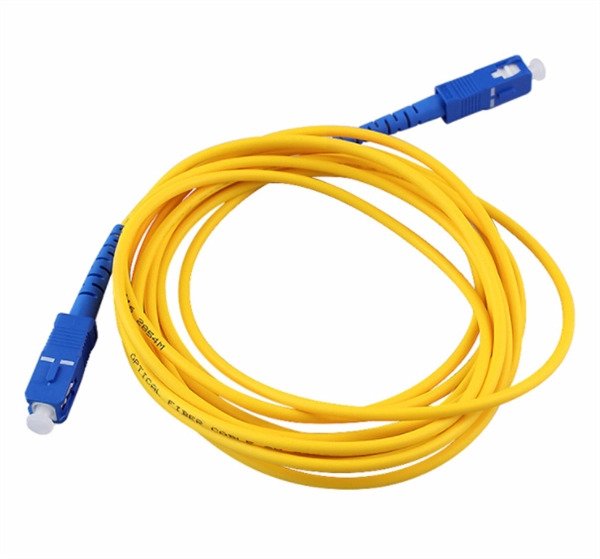
How to Detect and Identify Intermittent Network ProblemsLearn how to detect intermittent network problems to troubleshoot performance issues that are hard.
[PDF Version]You can identify intermittent network connectivity issues using Obkio's Network Monitoring Solution which continuously sends packets every 500ms to...
You can identify intermittent network problems using Obkio's Network Monitoring Solution which continuously sends packets every 500ms to monitor ne...
An intermittent network problem is a network problem that occurs in your network for a short time, and then seemingly goes away.
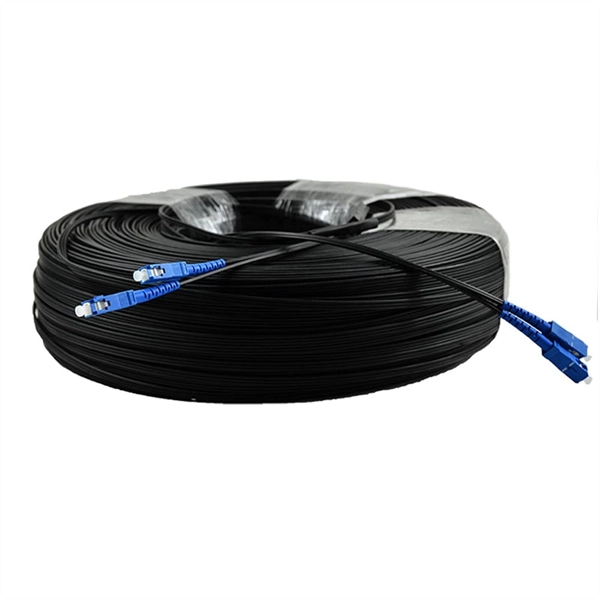
An access network is a type of network which physically connects an end system to the immediate router (also known as the “edge router”) on a path from the end system to any other distant end system. The term campus LAN refers to a LAN network that spans a single geographic...
[PDF Version]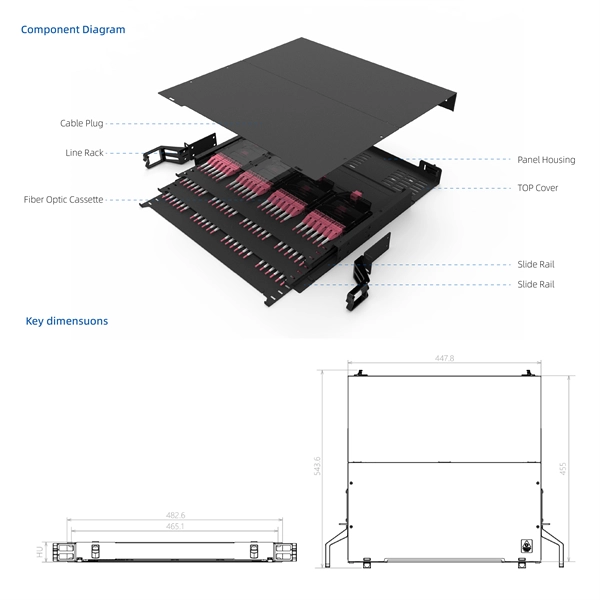
Cisco Catalyst and Meraki switches bring wired and wireless together to drive digital transformation. Uplink ports towards the legitimate DHCP server are defined as “trusted”. L2 device only – connecting end users! L2 device only – connecting edge switches! Fibre to building...
[PDF Version]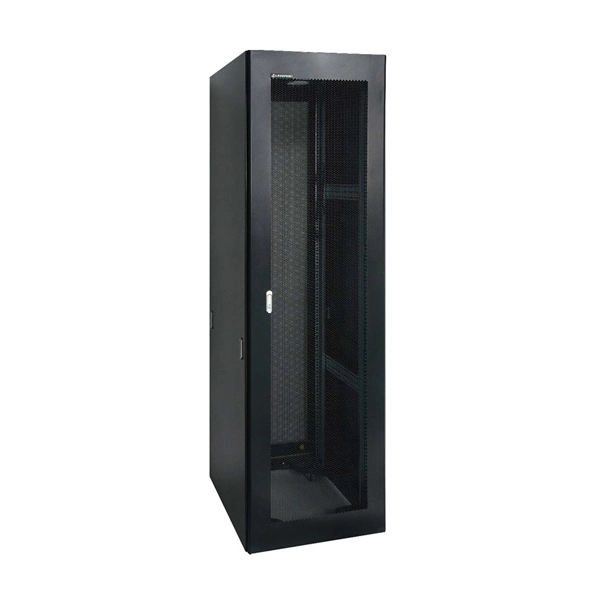
This article shows you how to create and configure your virtual switch using Hyper-V Manager or PowerShell. A virtual switch allows virtual machines created on Hyper-V hosts to communicate with other co.
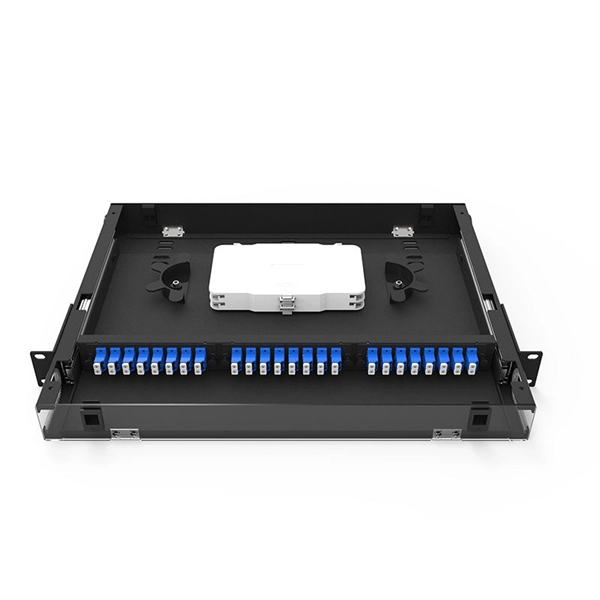
A core switch is a high-performance network switch located at the core layer of the network architecture. It is mainly responsible for high-speed forwarding and management of large amounts of data traffic from various aggregation layer switches. Engineered to aggregate...
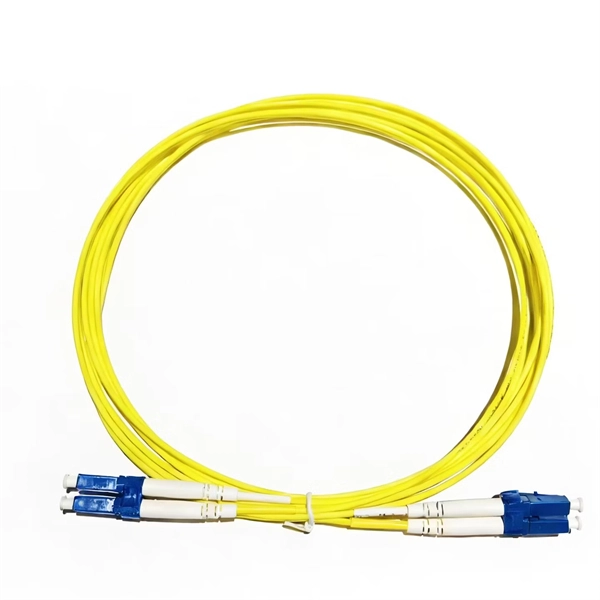
Configuring the Core Switch In this scenario, IP addresses of the interfaces connecting the core switch to the BRASs and firewalls and OSPF need to be conf.
[PDF Version]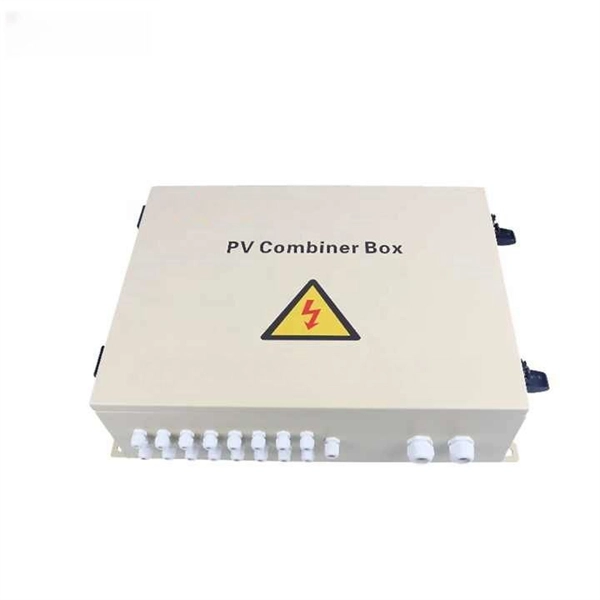
Server Rack Sizes: The Complete Guide to Standard, Below is a comprehensive, fully detailed guide covering all standard server rack sizes, form factors, he.
[PDF Version]The standard width for a server rack is 19 inches, the most common size for rack-mounted IT equipment. The depth of server racks can vary, typicall...
Server rack cabinets come in various sizes, but the standard width is usually 19 inches. The height is measured in rack units (U), typically 24U, 4...
A standard rack unit, abbreviated as "U," is 1.75 inches (44.45 mm) tall. This unit of measurement is used to describe the height of equipment inte...
Share the fiber interfaces, termination capacity, cable route and evidence required for handover.