
What does an optical transceiver do?
Optical modules are mainly packaged by optoelectronic devices TOSA/ROSA, functional circuits and optoelectronic interface components. The optical t...
Search optical fiber, connectivity, cable management and network infrastructure references.
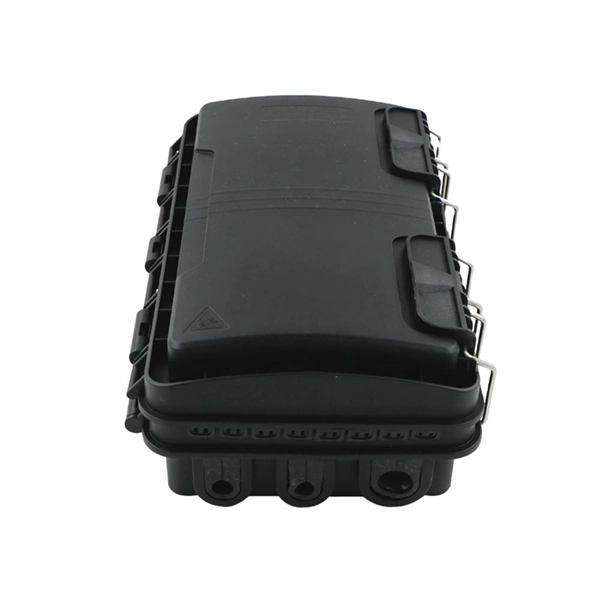
In well-cooled data centers, common modules such as SFP+ or QSFP28 often run reliably for 5–7 years. But ask any veteran network engineer, and they will tell you a different story. Others, installed in the 1990s, are still running. Fiber optic cables have a long lifespan and...
[PDF Version]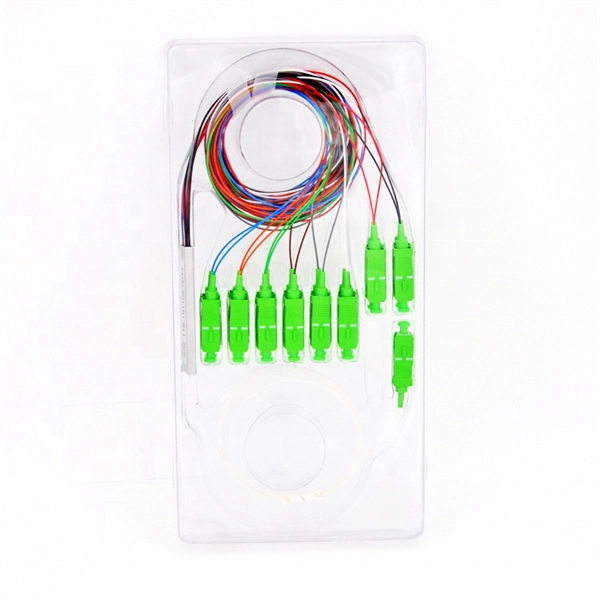
It consists of three layers: substrate, waveguide and cover. Waveguides play a key role in the splitting process that allows a specific percentage of light to pass through. So the signal can be divided equally. When comparing active vs passive optical splitters, the real...
[PDF Version]
10G SFP+ LR is a standardized 10G optical transceiver designed for single-mode fiber transmission up to 10km using a 1310nm wavelength. It follows the SFP+ Multi-Source Agreement (MSA) and is widely used to build stable medium-distance 10G links between switches, routers, and...
[PDF Version]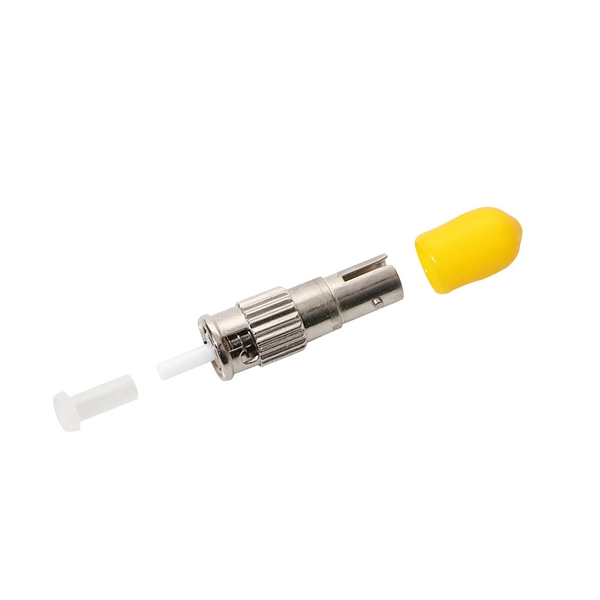
Major optical modules manufacturers and suppliers: Innolight, Eoptolink, Huagong Tech, Linktel, Accelink, CIG ShangHai CO. 7% during the forecast period MARKET INSIGHTS The global Active Optical Module Market was valued at 5916 million in 2024 and is projected to reach US$...
[PDF Version]Optical modules are mainly packaged by optoelectronic devices TOSA/ROSA, functional circuits and optoelectronic interface components. The optical t...
The upstream industry of optical modules mainly includes optical chips, optical components and optical devices, and the downstream industry mainly...
Lorem ipsum dolor sit amet, consectetur adipiscing elit. Ut elit tellus, luctus nec ullamcorper mattis, pulvinar dapibus leo.
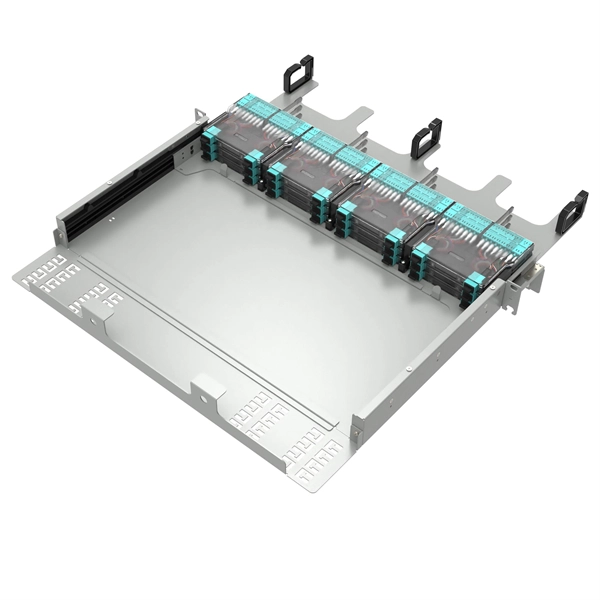
The distance between the distribution box and the switch box should not exceed 30 meters, and the horizontal distance between the switch box and the fixed electrical equipment it controls should not exceed 3 meters. This proximity principle reduces line losses and improves...
[PDF Version]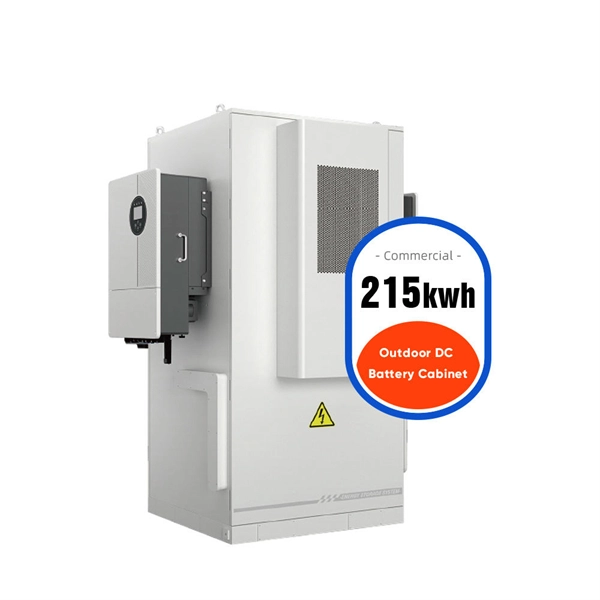
On average, it can take anywhere from a few days to several weeks to complete the installation process. When planning is rushed, delays show up later. Bigger or occupied spaces take longer. The slowdowns usually come from permits, access, or old buildings, not the cable. Work...
[PDF Version]Share the fiber interfaces, termination capacity, cable route and evidence required for handover.