
Can Coil Springs Have Two Different Ends
Search optical fiber, connectivity, cable management and network infrastructure references.
-
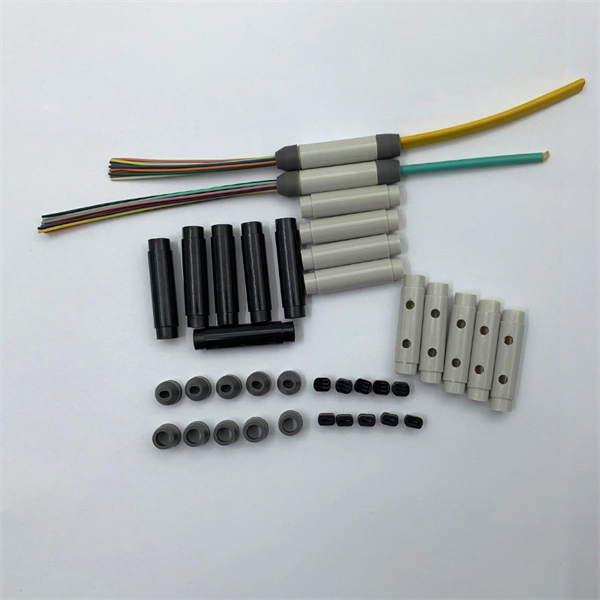
Different optical modules per kilometer
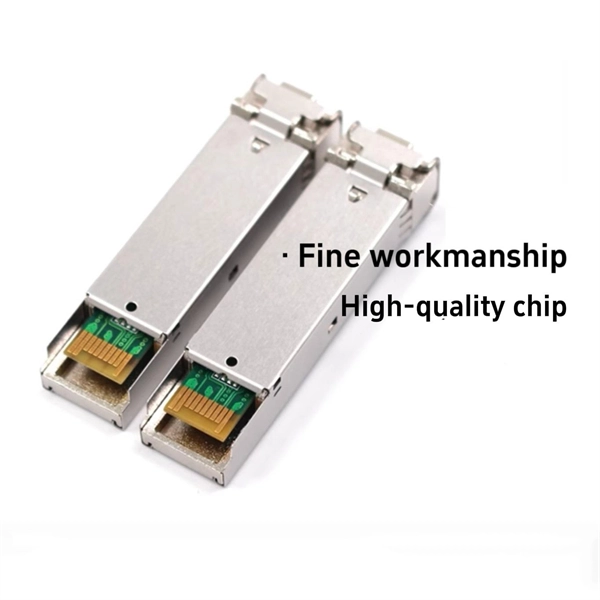
To meet various transmission rate requirements, optical modules with different rates are provided, including 400GE, 100GE, 40GE, 25GE, 10GE, GE, and FE optical modules. A higher transmission rate depends on a more complex structure. Both of the modules are PAM4, which is an...
[PDF Version]
-

Communication between different optical modules
Dual fiber modules use two fibers. They are easier to set up and give steady communication. They cost less and are easier. In the era of 5G, AI, and high-speed data centers, optical modules serve as the core bridge for converting electrical signals to optical signals (and...
[PDF Version]
-
Om3 fiber optic cable color is different
In conclusion, OM3 fiber cables are predominantly light blue or aqua in color, as per industry standards. Color-coding is a big help when identifying individual fibers, cable, and connectors. For example, cable jacket color typically defines the fiber type, and can differ...
[PDF Version]
-
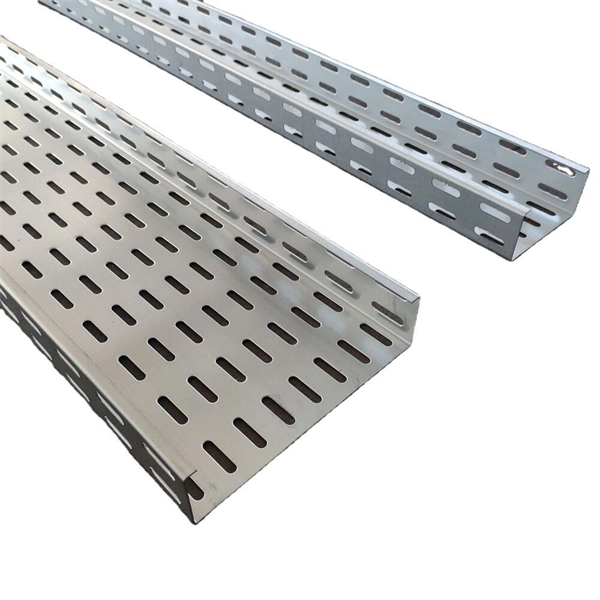
What are the different types of network cable trays
Common types of cable trays include: Side rails connected by transverse rungs. Provide good ventilation and easy cable tie-down. In this guide, we walk you through the primary types of network cabling, from their technical specifications to practical applications and factors...
[PDF Version]
-
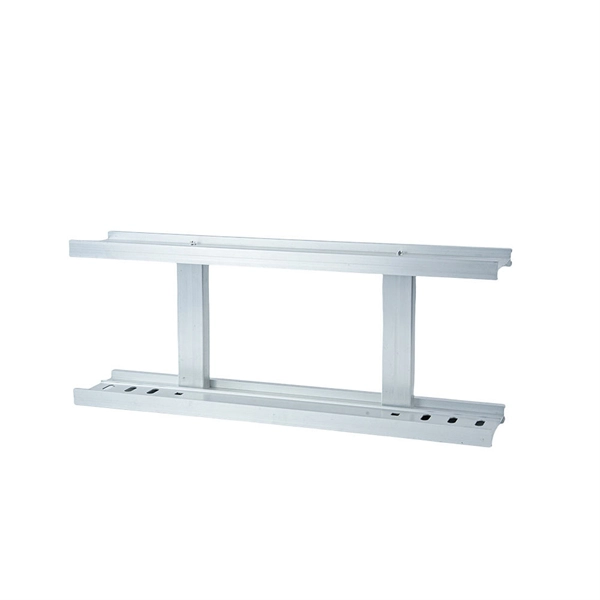
What are the different types of right-angle bends in cable trays
45° & 90° flat bends are available for light, medium and heavy duty cable tray systems with widths ranging from 50mm – 900mm. In this blog, we'll explore the various types of bends commonly used in wire mesh cable trays and discuss their applications and techniques in detail...
[PDF Version]