
Cable Size Between Equipotential Earth Bonding Bar And Distribution
Search optical fiber, connectivity, cable management and network infrastructure references.
-
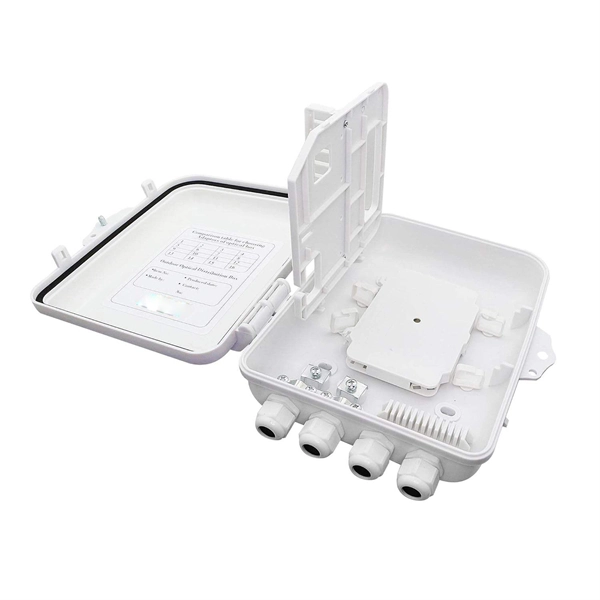
Equipotential bonding network for cable trays
The equipotential bonding system is mounted on cable tray systems. All conductive system parts and electrical equipment are integrated in the Ex equipotential bonding by means of equipotential bonding plates and clamps as well as a closed ring equipotential bonding . The...
-
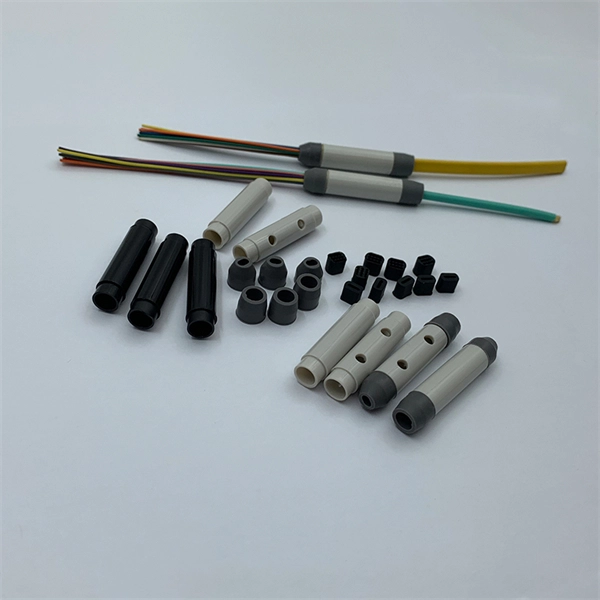
What size conduit is needed for single-mode dual-core fiber optic cable
For such cables, we recommend using at least a 1. It's important to consider not only the rigidity of the jacket but also the breakout point of the assembly, where the strands exit the jacket and are encased in. Premise innerduct is a flexible, non-metallic, corrugated...
-
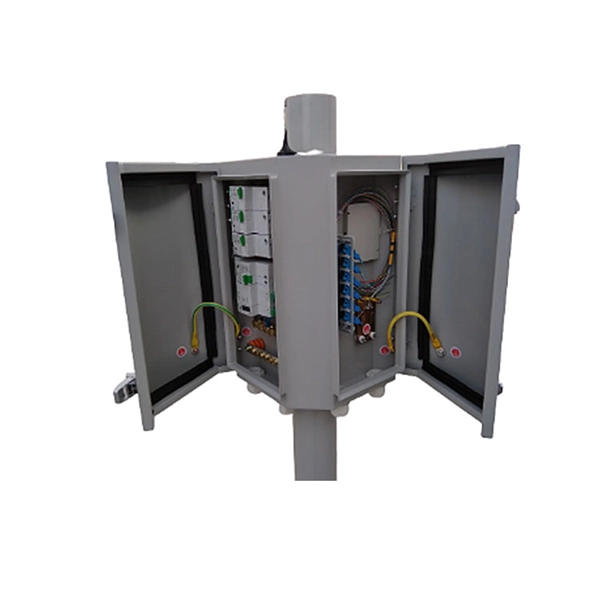
What size cable is used in a high-voltage power distribution box
Quickly calculate the correct high-voltage cable size based on load current, system voltage, and length. Ensure safe, efficient HV cable selection per IEC/NEC standards. 6kV, 11kV, 22kV, or 33kV electrical systems. Enter fault current/short circuit current and fault clearance...
[PDF Version]
-
Fiberglass Cable Tray Size Specifications Table
Fiberglass Cable Tray Size A complete guide to fiberglass cable tray size, thickness, and requirements under NEMA, IEC & GB/T standards. Choose the right t.
[PDF Version]
-
Outdoor Cable Tray Size Guide
Cable Tray Dimensions Guide: Standard Sizes, Tray Explore standard sizes by tray type, understand width and depth limits, and see how to calculate and choo.
[PDF Version]
-
What size welding rod is used for cable tray welding
With a steel base metal thickness of 3mm, you should consider using a welding rod diameter between 3mm and 3. Welding rods, or electrodes as we call them in stick welding (SMAW), come in various diameters that directly influence how they perform. The size is measured by the...
[PDF Version]
-
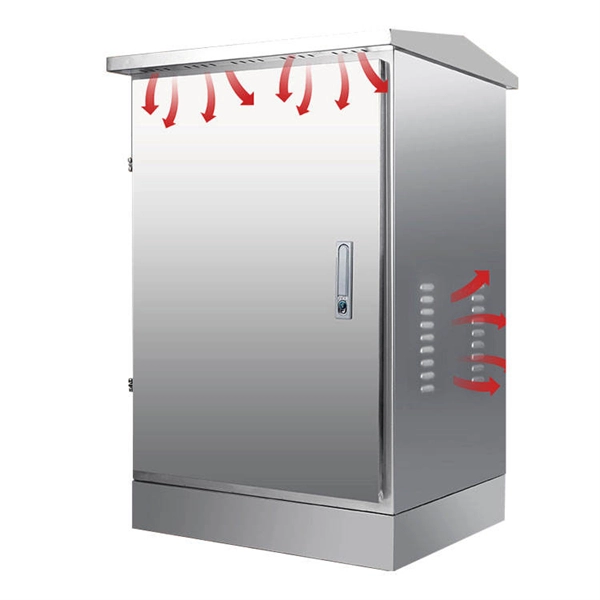
How to connect equipotential bonding to the distribution box
Equipotential bonding of connection boxes Use equipotential bonding conductors made of copper or galvanized steel. Connect the equipotential bonding conduc.
[PDF Version]