
How can one identify a broken fiber optic cable?
To identify a broken fiber optic cable, start by performing a visual inspection for any physical signs of damage, such as bends, cracks, or breaks...
Search optical fiber, connectivity, cable management and network infrastructure references.
Explore all types of cable trays—ladder, perforated, basket, solid, and channel. Each cable tray type performs a different function and comes in various materials such as aluminum. Cable tray systems are engineered support structures designed to route, support, and protect...
[PDF Version]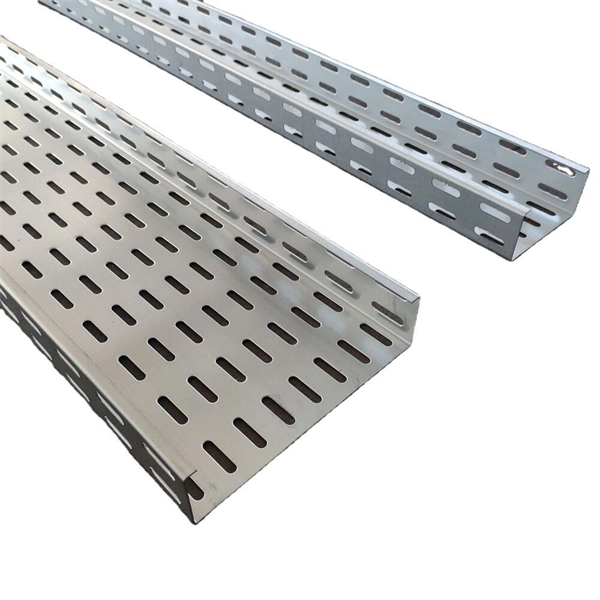
Common types of cable trays include: Side rails connected by transverse rungs. Provide good ventilation and easy cable tie-down. In this guide, we walk you through the primary types of network cabling, from their technical specifications to practical applications and factors...
[PDF Version]
Fiber Network Troubleshooting – Common Issues & FixesLearn how to troubleshoot fiber networks. Identify common issues like high loss, dirty connectors, and.
[PDF Version]To identify a broken fiber optic cable, start by performing a visual inspection for any physical signs of damage, such as bends, cracks, or breaks...
There are several methods to test fiber optic cables without a tester. One method is using a visual fault locator (VFL), as mentioned earlier, to v...
Intermittent fiber optic connections can be caused by a variety of factors, including: Poorly terminated connectors or splices that result in unsta...
Fiber Optic Splice and Joint Enclosure Box is a fiber management product typically used with outdoor fiber optical cables and underground fiber splice enclosure. The FIMP XL from Eks Fiber Optic System is designed for splicing and contains a splice tray, couplings, pigtails...
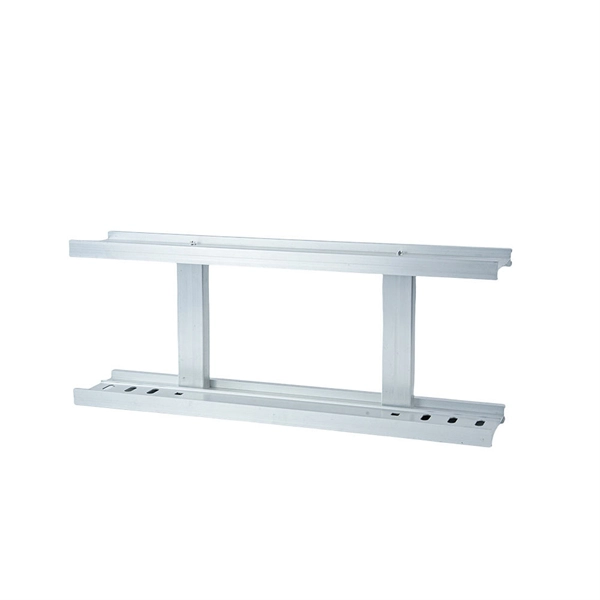
45° & 90° flat bends are available for light, medium and heavy duty cable tray systems with widths ranging from 50mm – 900mm. In this blog, we'll explore the various types of bends commonly used in wire mesh cable trays and discuss their applications and techniques in detail...
[PDF Version]
The fibers are double buffered and can be directly terminated, but because their fibers are not individually reinforced, these cables need to be broken out with a "breakout box" or terminated inside a patch panel or junction box to protect individual fibers. Optical fiber...
[PDF Version]
Sometimes fiber optic cables are routed through and around machinery. A rule of thumb when specifying sheathing: if interlocked metal ((SL)), plain or covered) sheathing is used, minimum bending radius is 4.
6 Fiber Cable Outer Sheath Materials and How To Choose?The main function of the fiber cable outer sheath is to protect the optical fibers in the optical ca.
[PDF Version]Share the fiber interfaces, termination capacity, cable route and evidence required for handover.