
8 Channel Lwdm Module Long Wavelength Division Multiplexing For
Search optical fiber, connectivity, cable management and network infrastructure references.
-
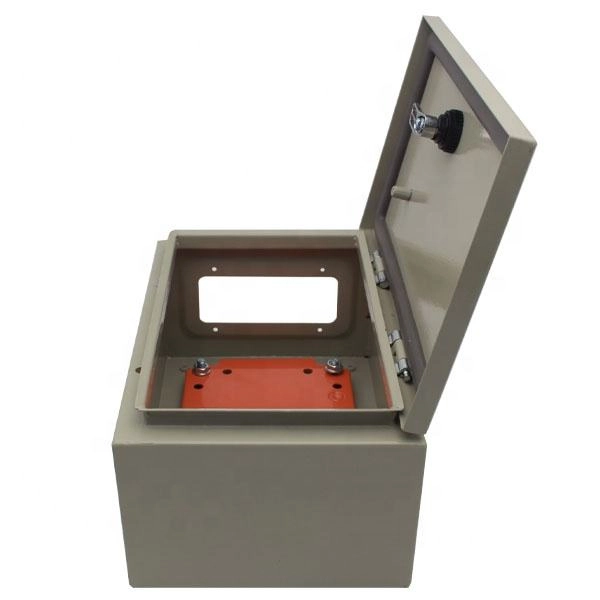
Fiber Wavelength Division Multiplexing Module
Normal WDM (sometimes called BWDM) uses the two normal wavelengths 1310 and 1550 nm on one fiber. Dense WDM (DWDM) uses the C-Band (1530 nm-1565 nm) transmission window but with. In fiber-optic communications, wavelength-division multiplexing (WDM) is a technology which...
-
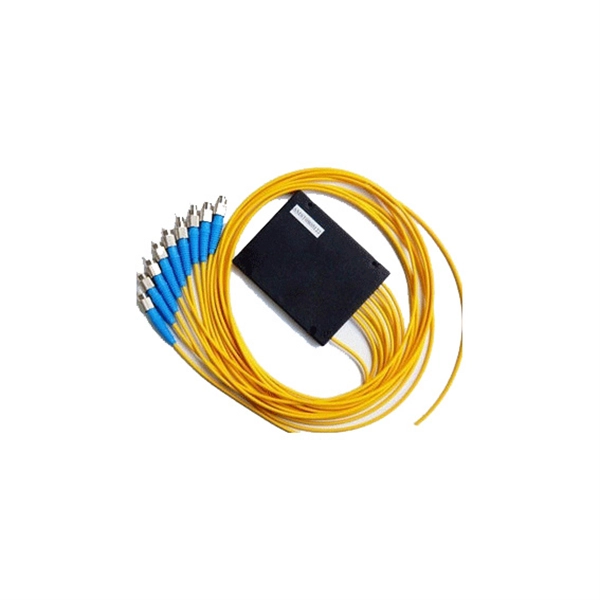
Optical Module for Wavelength Division Multiplexing System
Wavelength Division Multiplexing – WDM, coarse, It details the two main standards: coarse WDM (CWDM), with few channels and wide spacing for applications l.
[PDF Version]
-
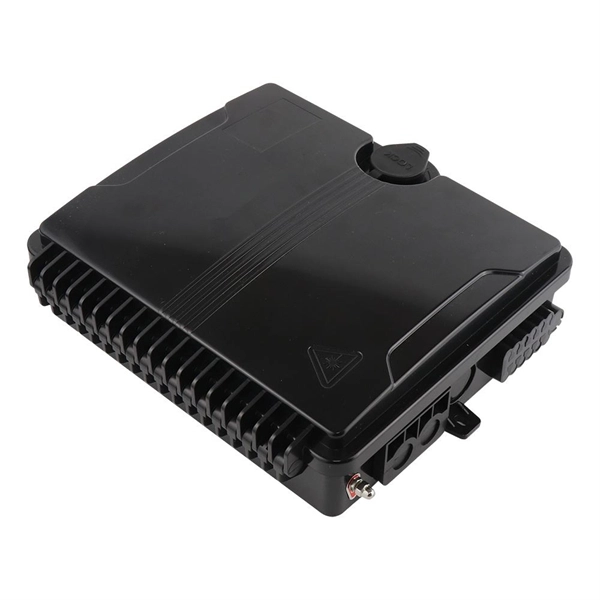
Wavelength Division Multiplexing Principle word
In fiber-optic communications, wavelength-division multiplexing (WDM) is a technology which multiplexes a number of optical carrier signals onto a single optical fiber by using different wavelengths (i. WDM allows communication in both the directions in the fiber cable. The...
-
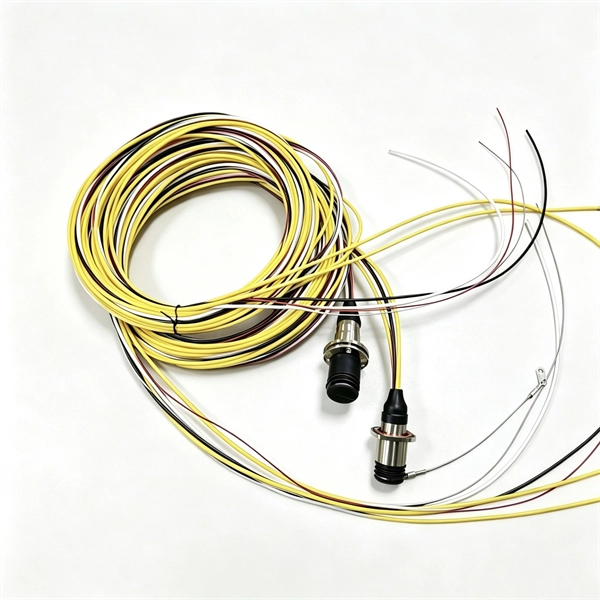
Wavelength Division Multiplexing Equipment Losses
Wavelength multiplexers can be used in submarine cables, to extend the lifetime of fiber cables, and reduce the cost of all land-based long distance communications links.
-
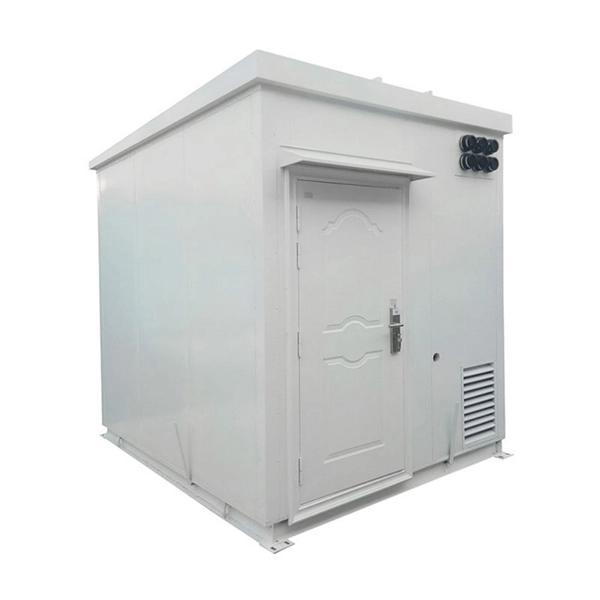
2-channel wavelength division multiplexer
These WDMs are designed for combining or splitting two signals at 980 nm and 1060 nm and feature a ±5 nm bandwidth around the center wavelength of each channel. In fiber-optic communications, wavelength-division multiplexing (WDM) is a technology which multiplexes a number of...
-
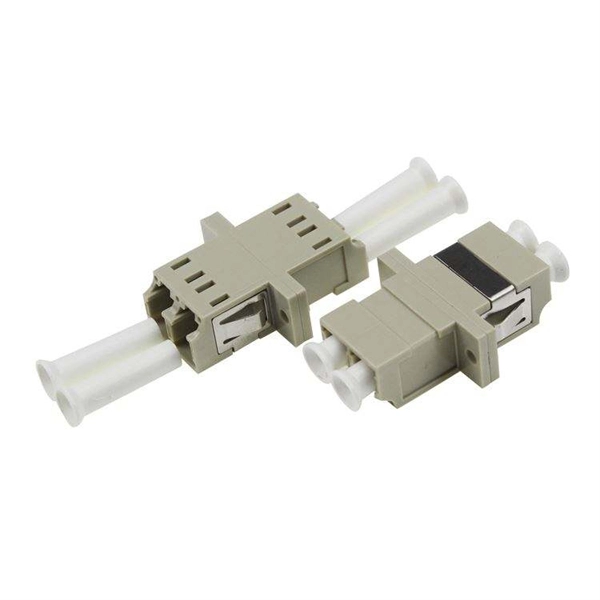
In optical wavelength division multiplexing systems
In fiber-optic communications, wavelength-division multiplexing (WDM) is a technology which multiplexes a number of optical carrier signals onto a single optical fiber by using different wavelengths (i. The "basie" transmission rate of SONET is 64 kbps for supporting voice...
-
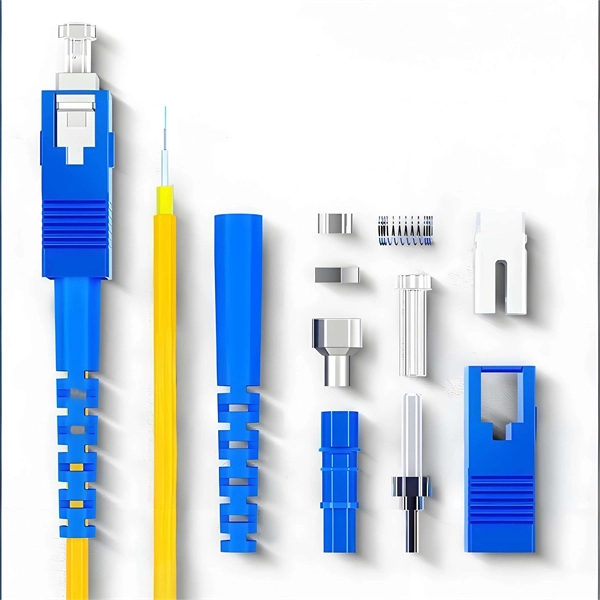
L-band optical transmission wavelength division multiplexing
Dense wavelength-division multiplexing (DWDM) refers originally to optical signals multiplexed within the 1550 nm band so as to leverage the capabilities (and cost) of EDFAs, which are effective for wavelengths between approximately 1525–1565 nm (C band), or 1570–1610 nm (L...
[PDF Version]
Explore the next connection
- EU Telecommunication Tower Inspection
- Slovakia s Conduit-type Optical Fiber Communication Cables
- High-voltage cable trays in Africa
- The role of fiber optic cables for internet access
- Fireproofing for Large-Span Cable Trays
- National Standard Low Voltage Switchgear Wiring
- Installation Method of Distribution Box and Piping
- Case Studies of High Data Capacity in Fiber Optic Communication
- Malawi Communication Optical Cable Tender Information