
What is the width and depth of a server rack?
The standard width for a server rack is 19 inches, the most common size for rack-mounted IT equipment. The depth of server racks can vary, typicall...
Search optical fiber, connectivity, cable management and network infrastructure references.
In the US, a fully equipped rack can cost anywhere between $15,000 and $50,000 or more, depending on your requirements. This includes multiple servers, which may cost $1,000 to $5,000 each, along with storage systems and networking equipment like switches and routers...
[PDF Version]
In this article, we will discuss several tips and strategies for improving cable management for server racks. This will ensure safety and functionality of the equipment with proper cable arrangement; airflow sufficiency, maintenance ease, and performance improvement are all...
[PDF Version]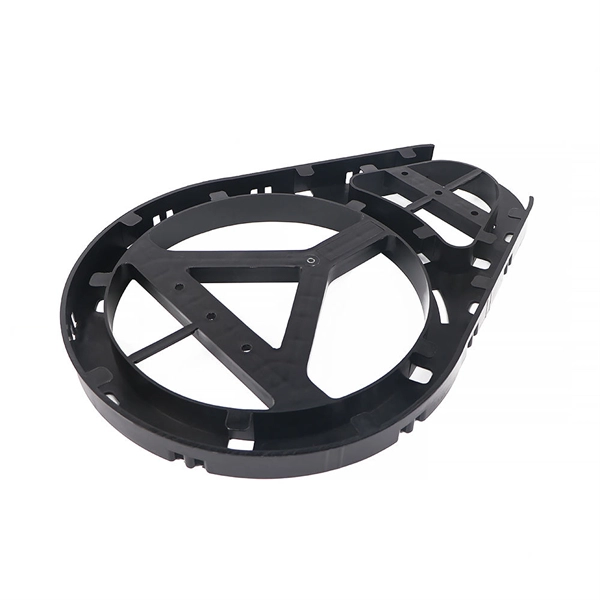
Using cable management accessories like D-rings, vertical organizers, and cable trays can help secure cables and guide them neatly along the rack. It ensures that different connections between servers, networking equipment, and power sources remain orderly and accessible. A...
[PDF Version]
Common server rack sizes are 19‑inch width, heights like 42U or 48U, and depths from ~24″ to 48″. The right rack dimensions ensure optimal equipment compatibility, airflow efficiency, cable management, and long-term scalability. Below is a comprehensive. A server rack is more...
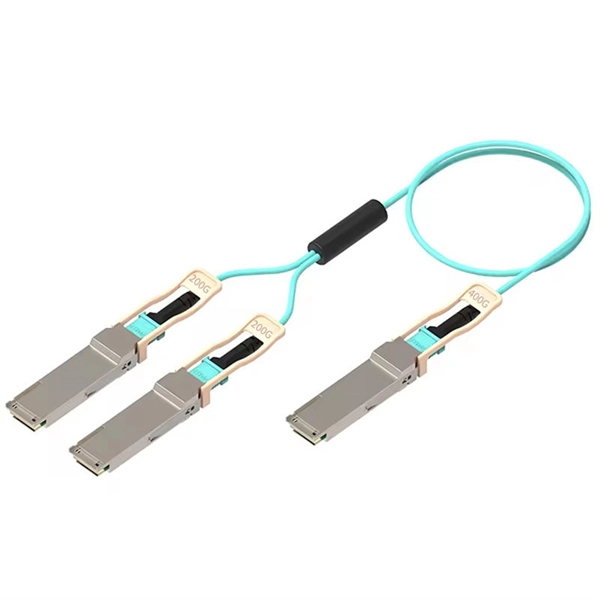
Understanding Rack Units (U) in Server Racks [July 2026]One rack unit equals 1.75 inches (44.45 mm). This means a 2U server is 3.5 inches tall, a 4U device.
[PDF Version]
Common server rack sizes are 19‑inch width, heights like 42U or 48U, and depths from ~24″ to 48″. Choose size based on equipment type, cooling, space, and future growth. Most IT environments default to 42U, 19-inch width, and 1000–1200 mm depth unless space constraints or...
[PDF Version]
Server Rack Sizes: The Complete Guide to Standard, Below is a comprehensive, fully detailed guide covering all standard server rack sizes, form factors, he.
[PDF Version]The standard width for a server rack is 19 inches, the most common size for rack-mounted IT equipment. The depth of server racks can vary, typicall...
Server rack cabinets come in various sizes, but the standard width is usually 19 inches. The height is measured in rack units (U), typically 24U, 4...
A standard rack unit, abbreviated as "U," is 1.75 inches (44.45 mm) tall. This unit of measurement is used to describe the height of equipment inte...
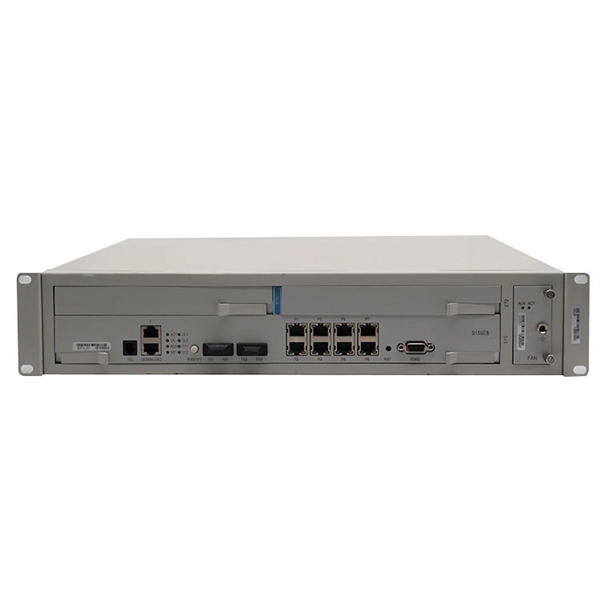
A cable management rack is designed to route, protect, and organize copper and fiber cables inside network cabinets. Beyond keeping cables tidy, a well-structured cable manager reduces cable stress, improves heat dissipation, and ensures bend-radius compliance for data. Poor...
Share the fiber interfaces, termination capacity, cable route and evidence required for handover.