
2 Wavelength Polarization Maintaining Wdms
Search optical fiber, connectivity, cable management and network infrastructure references.
-
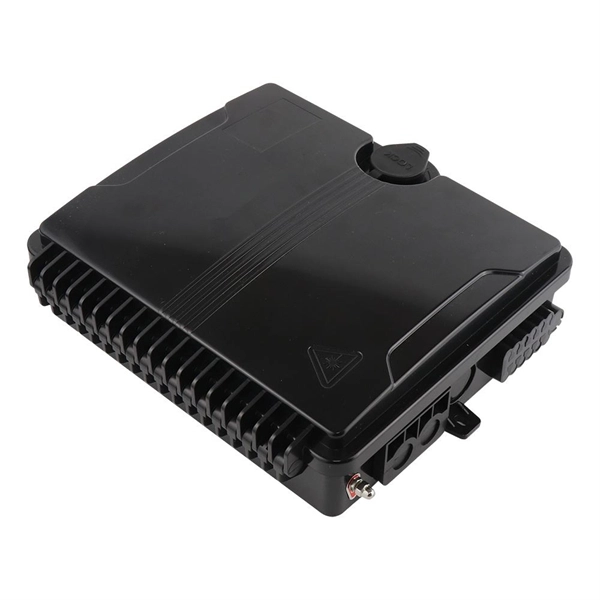
Wavelength Division Multiplexing Principle word
In fiber-optic communications, wavelength-division multiplexing (WDM) is a technology which multiplexes a number of optical carrier signals onto a single optical fiber by using different wavelengths (i. WDM allows communication in both the directions in the fiber cable. The...
-
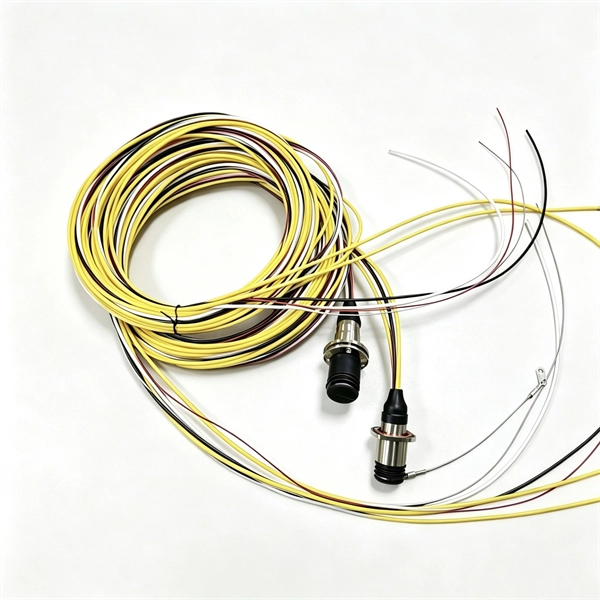
Wavelength Division Multiplexing Equipment Losses
Wavelength multiplexers can be used in submarine cables, to extend the lifetime of fiber cables, and reduce the cost of all land-based long distance communications links.
-
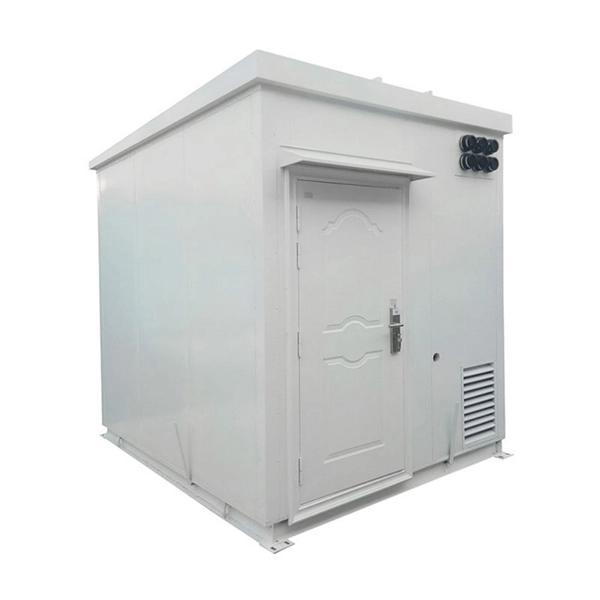
2-channel wavelength division multiplexer
These WDMs are designed for combining or splitting two signals at 980 nm and 1060 nm and feature a ±5 nm bandwidth around the center wavelength of each channel. In fiber-optic communications, wavelength-division multiplexing (WDM) is a technology which multiplexes a number of...
-
Testing the Polarization Characteristics of Multimode Fibers
Here, we demonstrate complete control of polarization states for all output channels by only manipulating the spatial wavefront of a laser beam into the fiber. Whereas single mode fibers are used for long-haul, multimode fibers (MMFs) are well established for short-range...
[PDF Version]
-
Currently the wavelength of light used in fiber optic communication
Optical fiber primarily uses infrared light, not visible light, due to lower signal attenuation. Common wavelengths are 1310nm and 1550nm, where silica glass fiber has minimal loss (as low as 0. This article delves into why 850, 1310, and 1550 nm are standard, what less-known...
[PDF Version]