
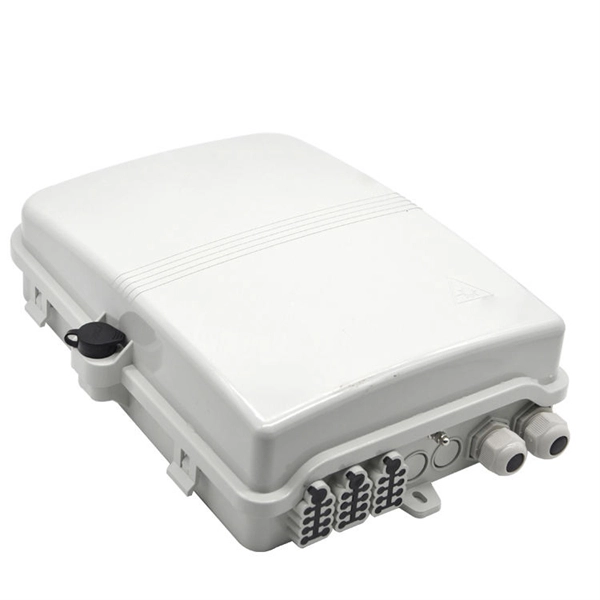
Fiber connection and distribution references
What are the steps to Test Overvoltage and
Explore the overvoltage and undervoltage relay testing with step-by-step procedures, safety considerations, and documentation guidelines. Make
Undervoltage Protection (ANSI 27)
If the voltage level of an installation goes out of its acceptable limits, the information provided by undervoltage protection can be used to initiate appropriate action to
Protection Relay Testing and Commissioning
Type tests are needed to prove that a protection relay meets the claimed specification and follows all relevant standards. Since the basic function of a protection relay is to correctly function under
Power System Protective Relays: Principles & Practices
Protective relays and devices have been developed over 100 years ago to provide “lastline”of defense for the electrical systems. They are intended to quickly identify a fault and isolate it so the balance of
Under Voltage Protection Working Principle 27
In this article, we will discuss the working principle and configuration of under voltage (ANSI 27) protection relay.
Decoupling protection in power generation plants
Bryan Fleuth B. Eng., Product Manager, KoCoS Messtechnik AG, Korbach, Germany operators are obliged to install more and more reactive power directional undervoltage protection (Q-V pr tection).
Overvoltage and Under Voltage Relay (59/27) Test
This article is to guide the responsible persons in conducting Overvoltage and Under Voltage Relay (59/27) Test procedure. Testing overvoltage (59) and
Voltage protection and control
Voltage protection is the most basic protection in a power grid. The objective of a protection scheme is to keep the power system stable by isolating only the components that are under fault, whilst leaving
Relay Protection Engineer: Undervoltage Protection
Explore comprehensive undervoltage protection strategies for relay protection engineers in electric power transmission.
IEC 60255-127:2010
IEC 60255-127:2010 specifies minimum requirements for over/under voltage relays. The standard includes specification of the protection function, measurement characteristics and time delay
Decoupling protection in power generation plants
Due to the steadily increasing number of decentralized power generation plants, plant operators are obliged to install more and more reactive power directional undervoltage protection (Q-V protection).
Under and Overvoltage Protection Circuits and
And finally, the relay is getting operated to isolate the loads from the main supply. These overvoltage and under voltage conditions status are also displayed as
The Relay Testing Handbook: Principles and Practice
This online protective relay testing seminar follows Chris Werstiuk (author of The Relay Testing Handbook) as he tests a relay from start to finish. You''ll learn the basic skills needed to test any
PROTECTIVE RELAY TESTING
A comprehensive testing program should simulate fault and normal operating conditions of the relay. Acceptance testing, commissioning, and startup will include control power tests, current transformer
Undervoltage Relay
An undervoltage relay, also known as a voltage relay or under-voltage protection relay, is a protective device used in electrical systems to monitor and protect equipment from excessively low
Voltage Protection Relay: Working Principle and Functions
A voltage protection relay is an essential device to keep electrical systems running efficiently and safely. These devices are designed to suit many
Relay Testing and Maintenance | Delgado Relay Protection Reference
Impedance reach verification: The distance relay''s impedance reach is checked to ensure it provides reliable fault detection within the intended zone of protection. This is done by
Protective Relay Basics
Traditionally, protective relays were electromechanical devices utilizing induction disk, coils, contacts, and solenoid elements to determine protective characteristics.
Related Video Reference
This video was associated with the source search result. Verify technical details against current product documentation and project requirements.