
How can one identify a broken fiber optic cable?
To identify a broken fiber optic cable, start by performing a visual inspection for any physical signs of damage, such as bends, cracks, or breaks...
Search optical fiber, connectivity, cable management and network infrastructure references.
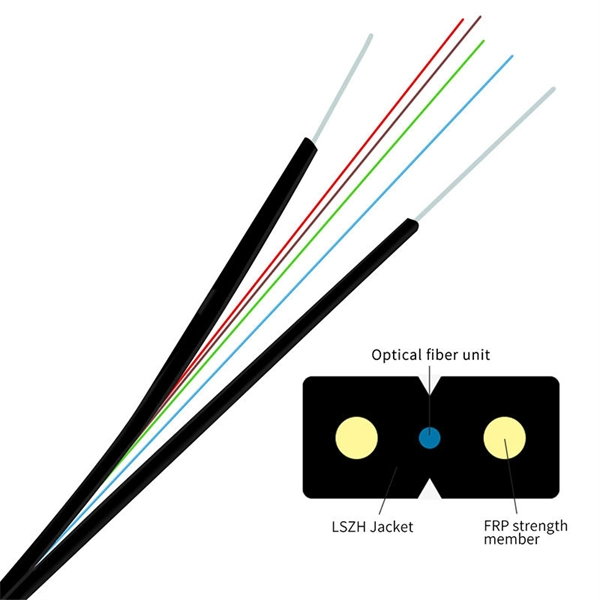
This document presents a troubleshooting guide for fiber optic cables once deployed and in regular use. It also includes a list of common fault location items. Maintenance personnel can refer to this docume.
[PDF Version]To identify a broken fiber optic cable, start by performing a visual inspection for any physical signs of damage, such as bends, cracks, or breaks...
There are several methods to test fiber optic cables without a tester. One method is using a visual fault locator (VFL), as mentioned earlier, to v...
Intermittent fiber optic connections can be caused by a variety of factors, including: Poorly terminated connectors or splices that result in unsta...
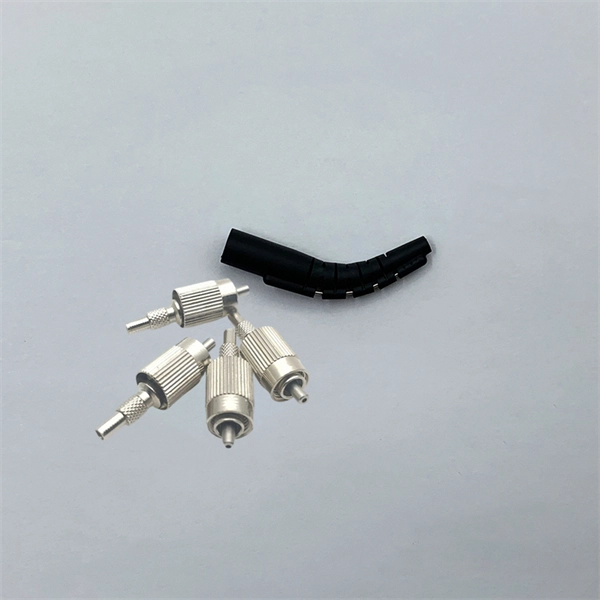
A tension clamp is a mechanical fixture used to anchor fiber optic cables—particularly ADSS (All-Dielectric Self-Supporting) cables and drop cables—at points of high mechanical stress, such as terminal poles, angle poles, or dead-end poles. These clamps provide a secure...
[PDF Version]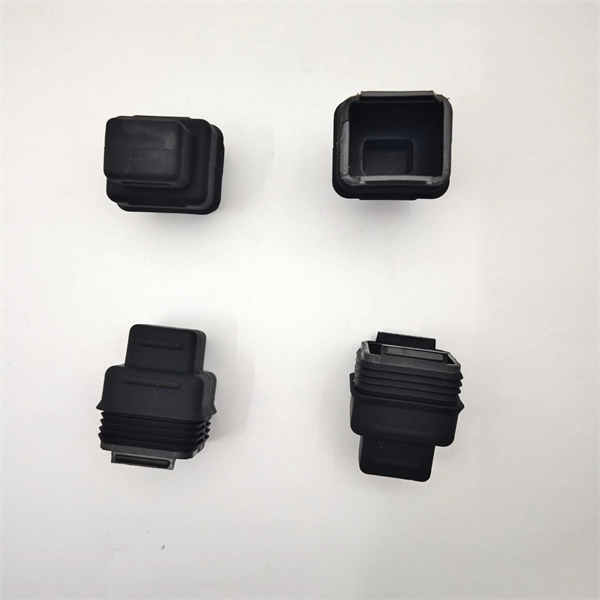
Pre-connected drop cable also called fiber optic cable with connectors, was designed to applied in indoor or outdoor, on last mile installation routes to connect final users to FTTH or GPON line. Designed to deliver high-speed data, voice, and video services directly to...
[PDF Version]
Indoor/Outdoor Flat FTTH Self-Supporting Drop Fiber Optic Cable is a rugged, compact solution designed for last-mile fiber and fiber-to-the-home (FTTH) installations and deployments, offering easy installation, high tensile strength, and excellent bend performance. The 1-2...
[PDF Version]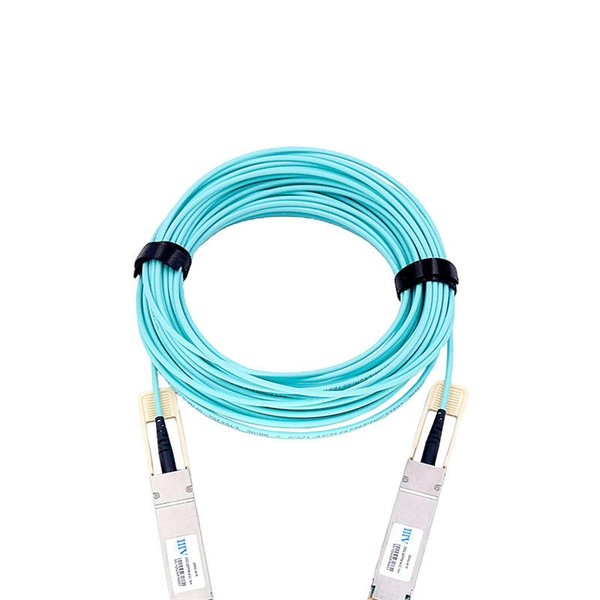
The fiber wall outlet (also known as fiber wall plate, faceplate, or rosette box), is a compact surface mount box designed for FTTH (Fiber to the Home) networks. It serves as a termination point between drop cables and Optical Network Terminal (ONT) devices. The drop optical...
[PDF Version]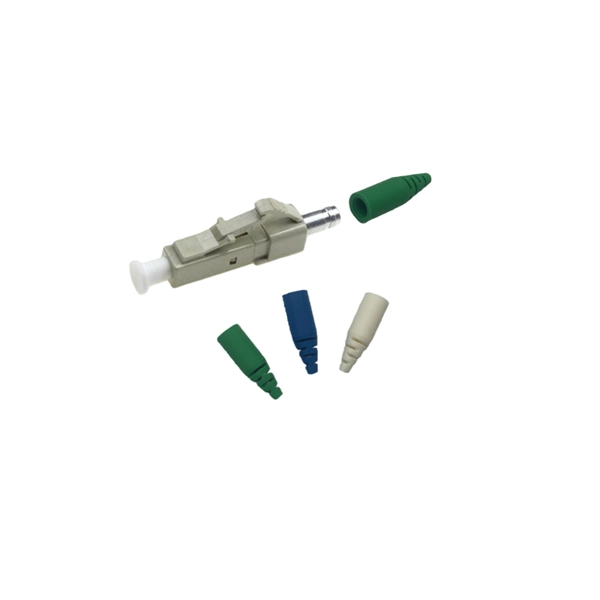
A fiber clamp is designed to hold and protect fiber optic cables securely in place during installation and throughout their operational life. By providing stability, these clamps prevent excessive movement that could lead to stress on the delicate fibers within the optical...
[PDF Version]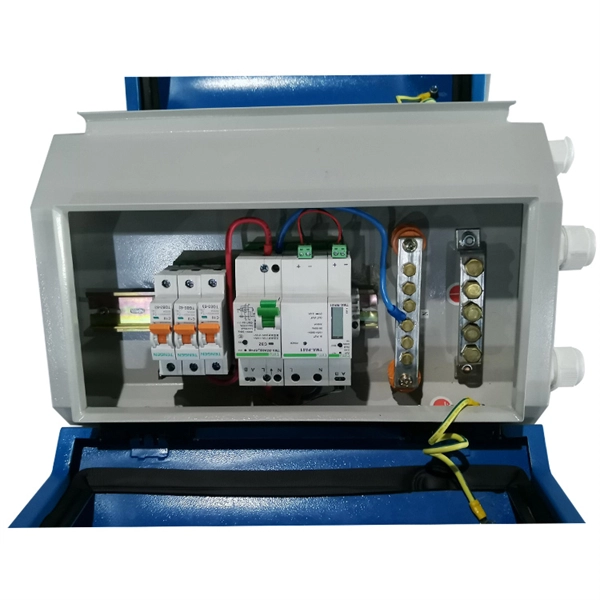
Fiber-optic cable materials typically cost $1 to $6 per linear foot, depending on fiber count and cable type. Commercial building installations with 100-200 network drops generally range from $15,000 to $30,000. Below are typical price ranges (USD per meter) in bulk orders (≥...
[PDF Version]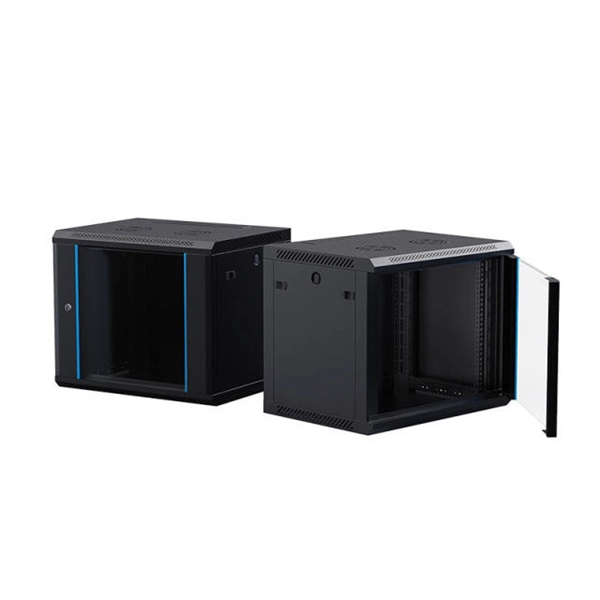
The fibers are double buffered and can be directly terminated, but because their fibers are not individually reinforced, these cables need to be broken out with a "breakout box" or terminated inside a patch panel or junction box to protect individual fibers. Optical fiber...
[PDF Version]Share the fiber interfaces, termination capacity, cable route and evidence required for handover.