
Wire Weight Calculator Cable Weight Tool
Search optical fiber, connectivity, cable management and network infrastructure references.
-
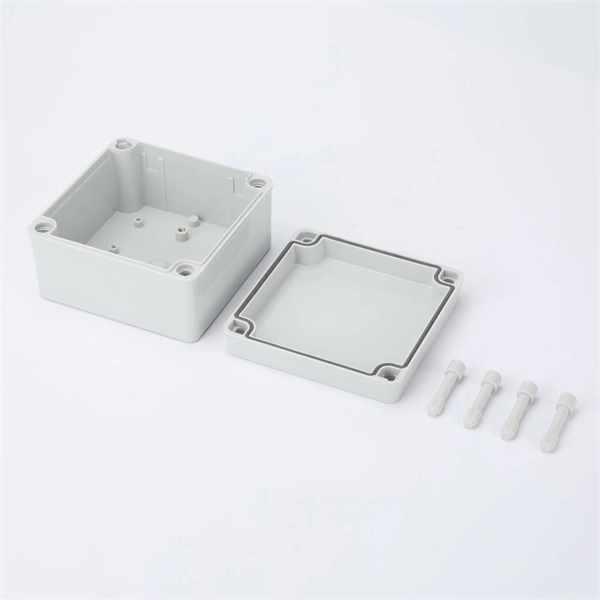
Fiber optic cable without steel wire support
Metallic Aerial Self-Supporting (MASS) Cable is an alternative solution used for installing optical cable on medium and high voltage power lines. It is typically used when the existing phase or ground wire replacement is not possible or economical. MASS cable is a compact...
-
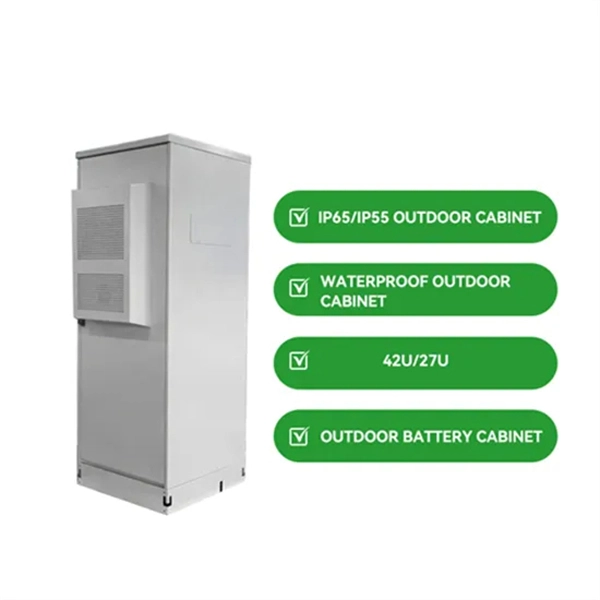
Finished optical fiber cable drop wire
FTTH (Fiber to the Home) drop cable is the final-section optical cable that connects the distribution point (fiber distribution box, FDB) to the subscriber's premises. Fiber optic cables are the backbone of modern telecommunications infrastructure, enabling high-speed data...
-
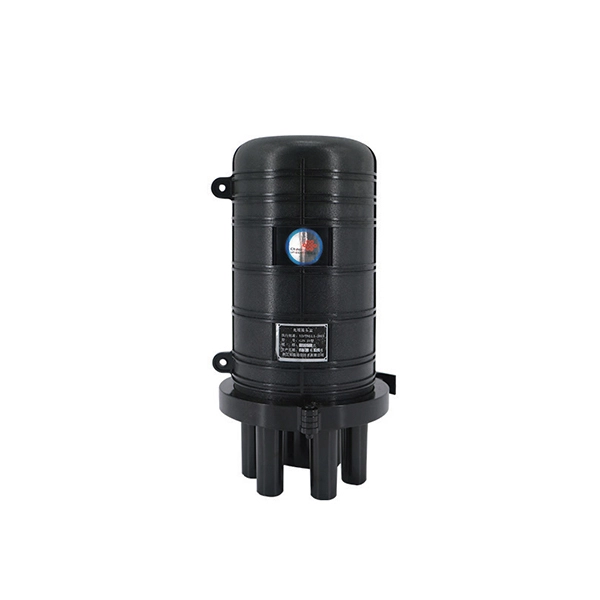
8-meter-long cable tray weight
This tool estimates tray self-weight from material density and an approximate metal volume. For solid and perforated trays, it treats the tray as a formed sheet: Developed sheet width per meter: Dev = W + 2H + 2R Metal volume per meter: V = Dev × t × 1 × (1 −. Estimate cable...
[PDF Version]
-
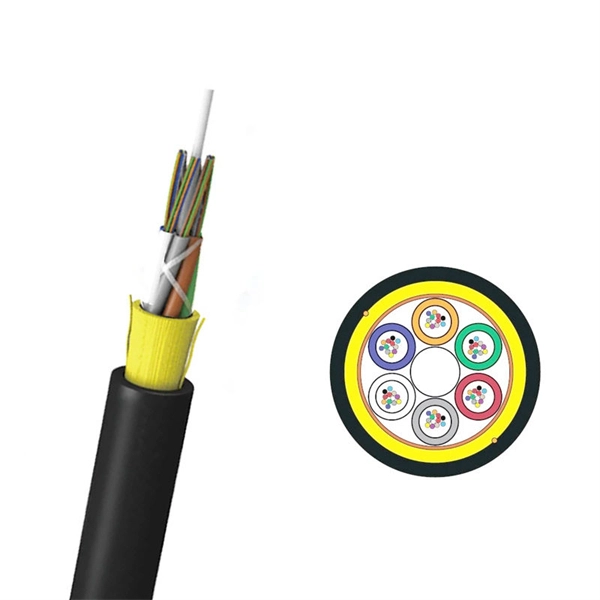
Resistance of cable tray grounding wire
The grounding resistance is a key indicator of the effectiveness of your grounding system. Ideally, it should be 4 ohms or less. The main purpose of. These systems provide an efficient and adaptable solution for managing a wide range of cables, including power cables, control...
[PDF Version]
-
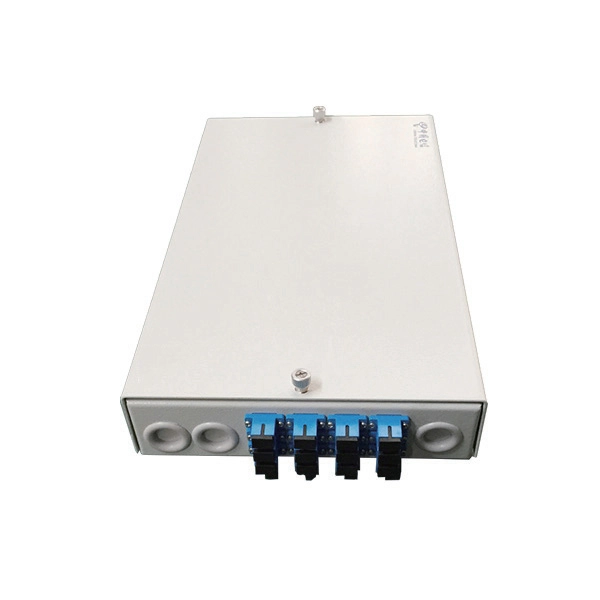
Calculating the weight of electrical cable trays
This tool estimates tray self-weight from material density and an approximate metal volume. For solid and perforated trays, it treats the tray as a formed sheet: Developed sheet width per meter: Dev = W + 2H + 2R Metal volume per meter: V = Dev × t × 1 × (1 − Open%) Weight...
[PDF Version]
-
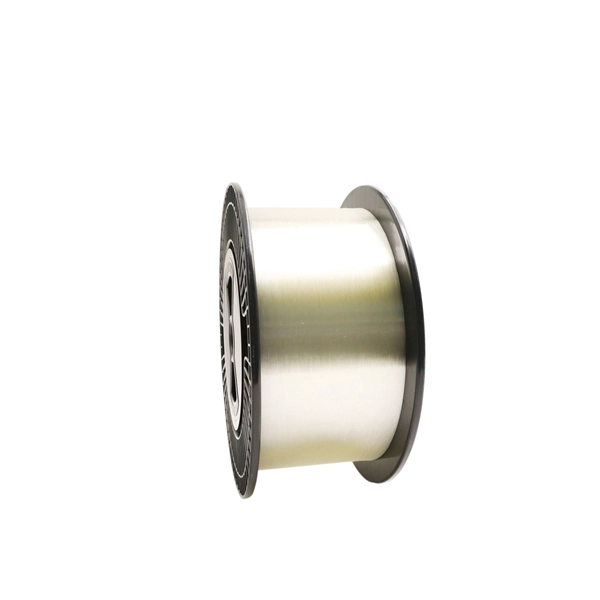
How to calculate the weight per meter of a mesh cable tray
This tool estimates tray self-weight from material density and an approximate metal volume. For solid and perforated trays, it treats the tray as a formed sheet: Developed sheet width per meter: Dev = W + 2H + 2R Metal volume per meter: V = Dev × t × 1 × (1 − Open%) Weight...
[PDF Version]