
Wire Terminal Naming Standards R Plc
Search optical fiber, connectivity, cable management and network infrastructure references.
-
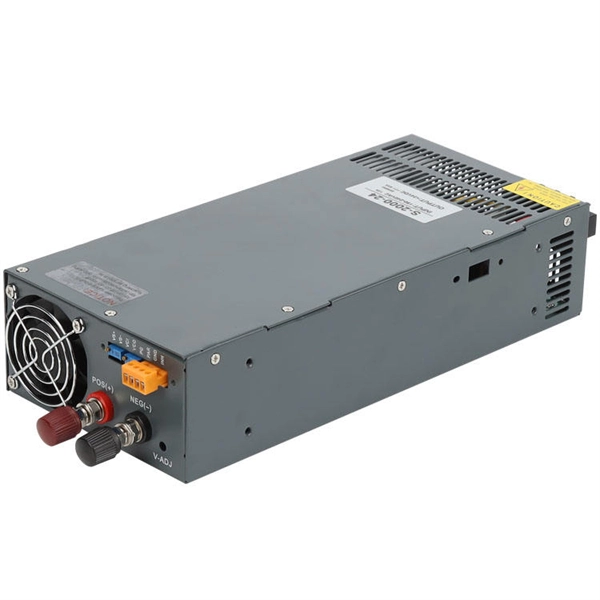
How to wire the busbar system terminal block
Wiring a terminal block is straightforward when following proper procedures: Strip the insulation from the wire (6 to 10 mm depending on the block type). Tighten the screw or clamp to secure the wire inside. Busbars are the unsung heroes of electrical panels, ensuring...
[PDF Version]
-
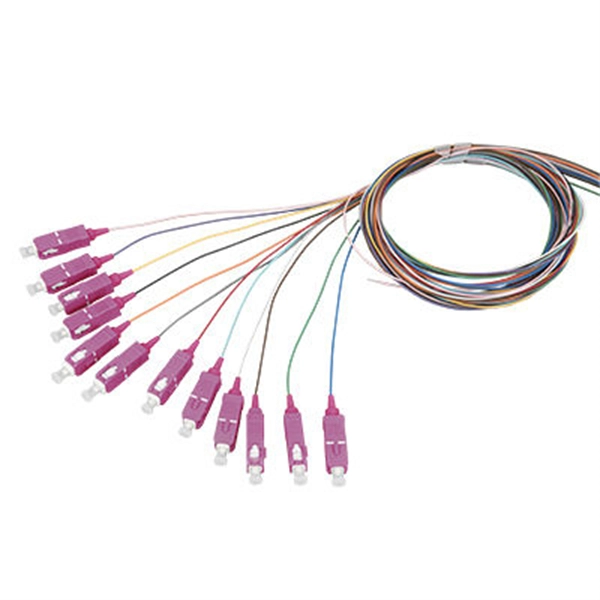
Positive terminal of the LED in a laser sight
Anode: The anode is the positive terminal of an LED and is indicated by a triangle or a flat side on the schematic symbol. Whether it is in the small lights of household appliances or in large LED displays and automotive headlights, its presence can be seen everywhere. Unlike...
[PDF Version]
-
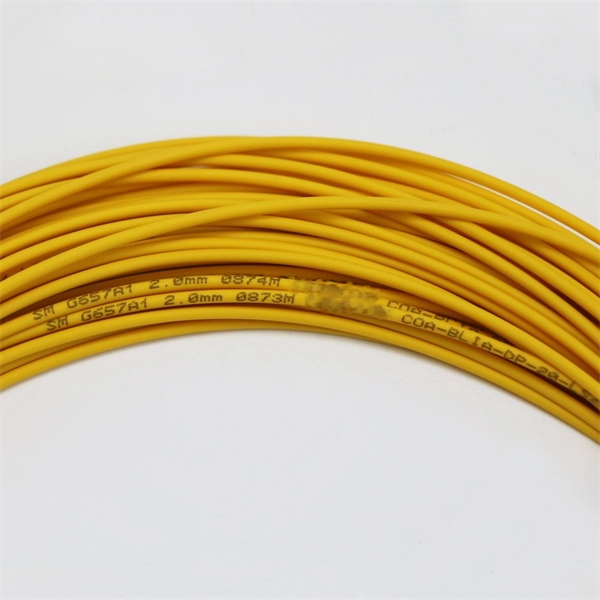
Cable Distribution Box Acceptance Standards
Check for proper IP/NEMA ratings and material quality. Ensure safe placement: install in dry, accessible areas with good ventilation and at appropriate height (typically ~1. Practice good wiring: secure grounding, neat cable management, proper insulation, and correct wire...
[PDF Version]
-
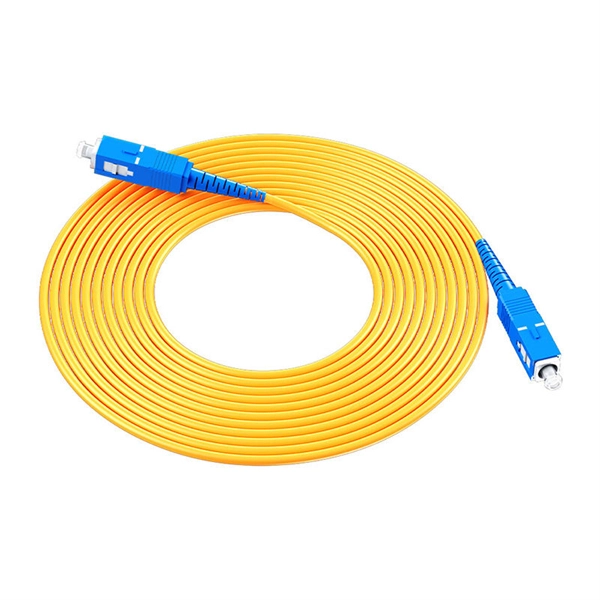
Composite Fiber Terminal Box
Our fiber terminal boxes serve as compact enclosures ideal for FTTH/FTTB deployments. In every fiber build, there's a quiet place where the glass path meets the real world: the fiber optic terminal box. It's where delicate strands are protected, splices are routed, connectors...
[PDF Version]
-
Why do patch panels use flexible core wire boards
Each panel supports T568A and T568B wiring standards, offering flexibility for installers. For high-speed, long-distance transmission, fiber patch panels are used. They manage fiber optic cables with connectors like SC, LC, and ST, ensuring safe cable routing and protection...
[PDF Version]