
Why Wall Mount Enclosures Are Ideal For Compact Power
Search optical fiber, connectivity, cable management and network infrastructure references.
-
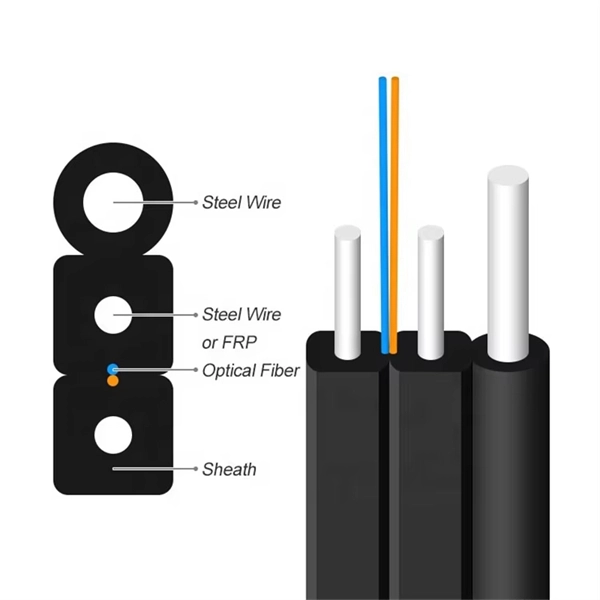
Why are optical cable sheaths waterproof
Hydrophobic Coatings: Applied to cable exteriors, these coatings repel water, preventing moisture from adhering to the surface. Usually there are 4 waterproof barriers: Outer sheath, metal tape, water blocking rope and filling compound. It resists water entry while remaining...
-
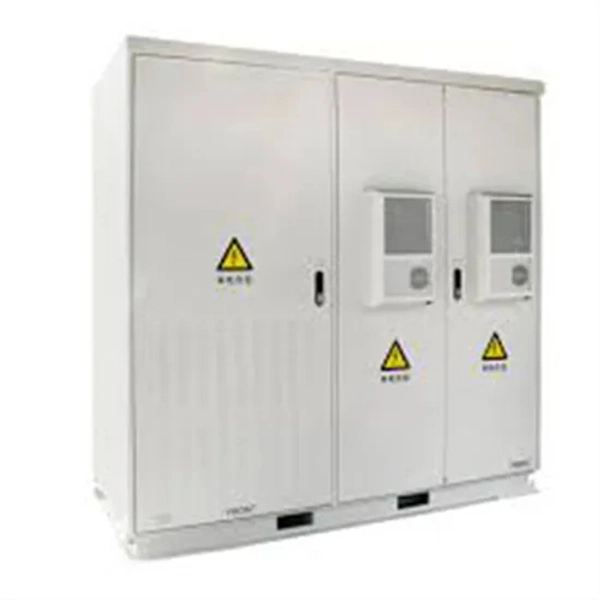
Why do patch panels use flexible core wire boards
Each panel supports T568A and T568B wiring standards, offering flexibility for installers. For high-speed, long-distance transmission, fiber patch panels are used. They manage fiber optic cables with connectors like SC, LC, and ST, ensuring safe cable routing and protection...
[PDF Version]
-
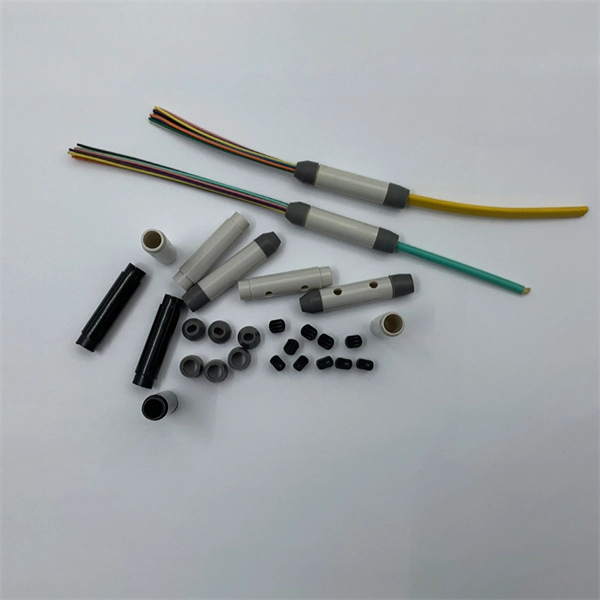
Why does the fiber optic pigtail box have a light
A typical fiber pigtail includes three main components: the fiber core, protective coating, and outer jacket. The core carries light signals, while the cladding ensures total internal reflection. A fiber optic pigtail is a short length of optical fiber —typically 0. Get the...
-
Metal cable tray wall thickness
Light-duty applications, such as LAN or control wiring in commercial spaces, may require trays with 1. The thickness of the tray depends on how frequently it is supported. In practice, cable tray dimensions are a system of interrelated measurements —width, depth, length, and...
[PDF Version]
-
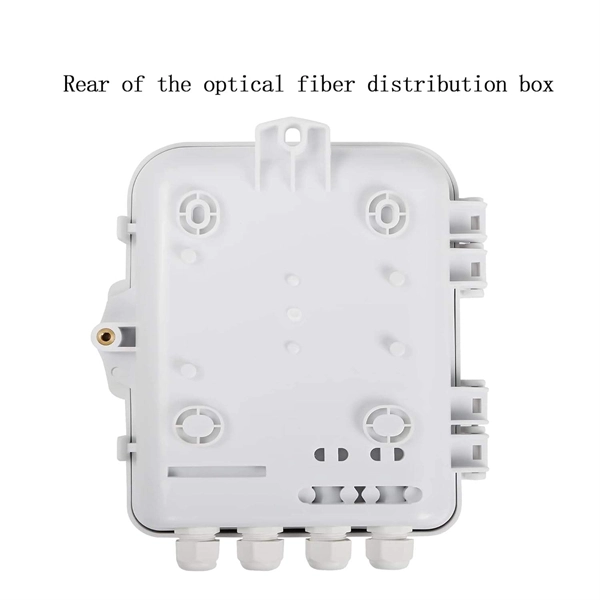
Electrical cable tray sleeves on the wall
This guide covers top wall-mounted cable trays and kits designed to route power and data cables behind walls or along the wall, keeping living spaces clean and organized. Each product below includes key features to help you compare options across materials, installation. This...
[PDF Version]
-
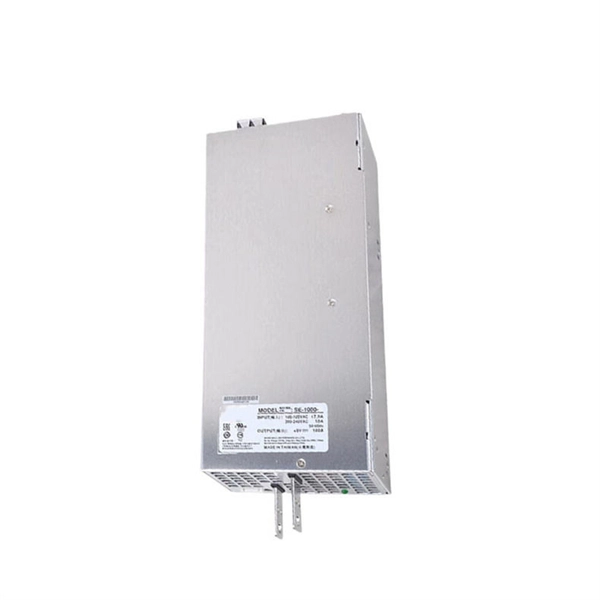
Reasons why the distribution box is not turning on
Check the electrical load and ensure that the sensors do not exceed the 10 Amp maximum. In this guide, we'll walk through these. No light or picture on a cable box usually points to power, cabling, or TV input settings, and you can fix many cases at home in minutes. Before...
[PDF Version]
-
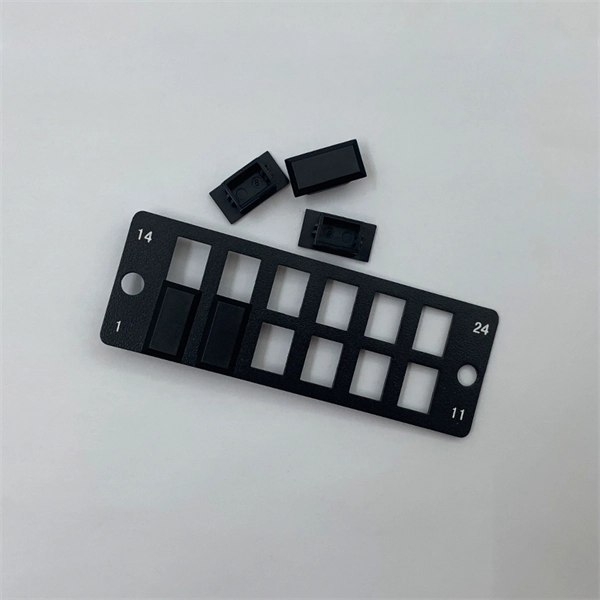
Standard distribution box wall thickness
According to national standards, the wall thickness of the low-voltage distribution box should not be less than 1. Typical wall-mount enclosure sizes often range from about 200 × 200 × 120 mm up to 800 × 600 × 300 mm. Freestanding cabinets commonly range from about 1600–2200...
[PDF Version]
Explore the next connection
- How to lay pre-terminated optical cables
- Price for voltage testing of busbar in high-voltage switchgear
- Norwegian Tray Cable Tray Manufacturing
- Installation of concealed electrical box door cover
- 8-core OEM Fiber Optic Fusion Splice
- Fiber Optic Cable Coating Color
- Function of seismic bracing for French cable trays
- Outdoor fiber optic cable clamps delivery time
- What kind of wire cutter is best for fiber optic patch cords