
Why Fiber Optics Is Replacing Copper In Data Centers
Search optical fiber, connectivity, cable management and network infrastructure references.
-
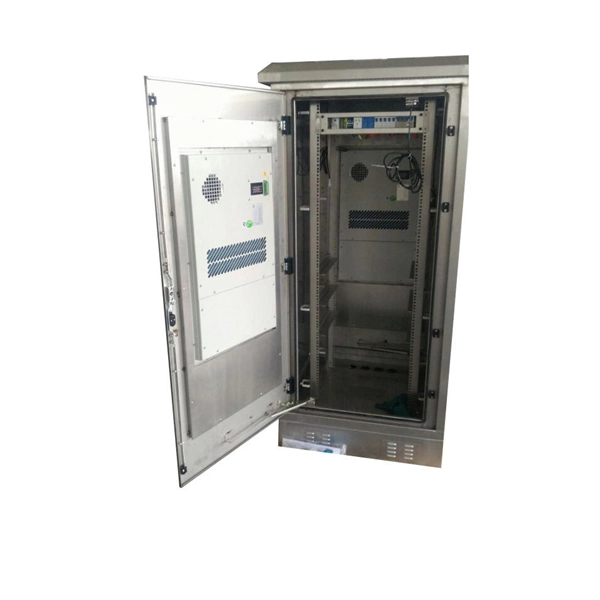
Why replace the switch when replacing the fiber optic transceiver
Are SFP Modules Hot-Swappable? Safe SFP Hot Swapping GuideReplacing an SFP module while a switch is powered on should be performed carefully to avoid damag.
[PDF Version]
-
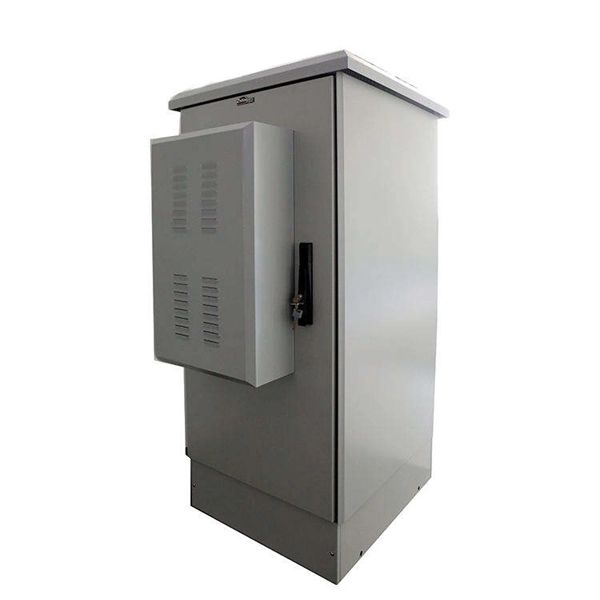
Why does the fiber optic pigtail box have a light
A typical fiber pigtail includes three main components: the fiber core, protective coating, and outer jacket. The core carries light signals, while the cladding ensures total internal reflection. A fiber optic pigtail is a short length of optical fiber —typically 0. Get the...
-
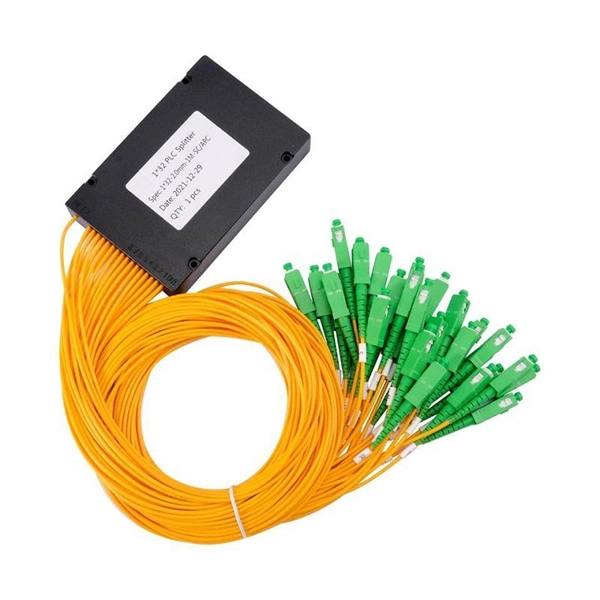
Why should pigtail fiber be made at 8 degrees
Proven by rich experience and experimental verification, an angle of 8-degree is the best. An angled connector is typically -65dB or lower. According to different end face angles, there are three types of optical fiber end face polishing methods: PC, UPC, and APC. Based on...
[PDF Version]
-
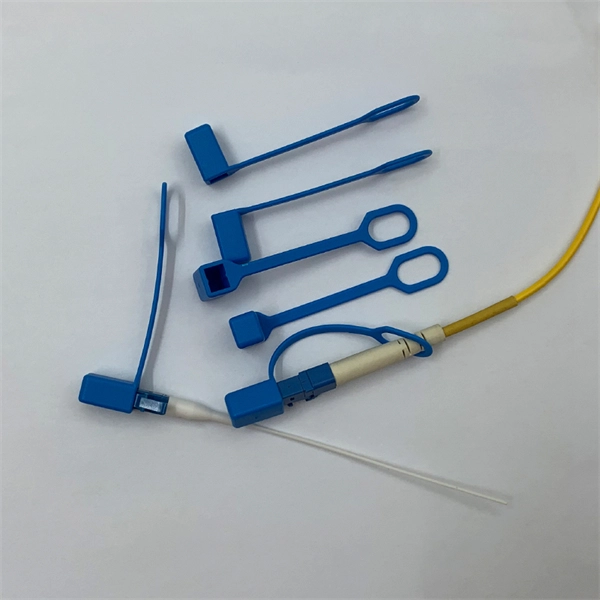
Why are there two fiber optic cables on the switch
Full-Duplex System: This system uses two fibers for communication. One fiber handles transmission from point A to point B, while the other handles transmission from point B to point A. Communication alternates between transmitting and receiving signals, but not...
[PDF Version]
-
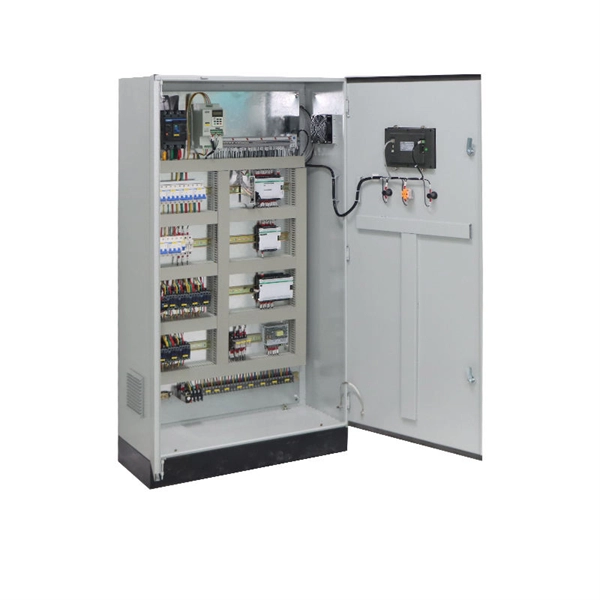
Why do fiber optic junction boxes need power
While fiber is highly efficient at transmitting light over long distances with minimal signal loss compared to copper, active components are sometimes necessary to boost the signal, particularly in extensive networks. The modem needs power to convert the fiber carrier signal...
[PDF Version]
-
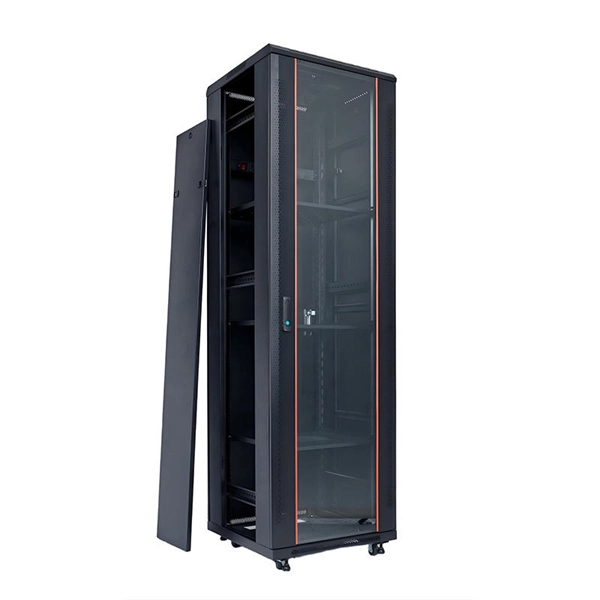
Does the fiber optic panel have a side-mounted connector Why
One side of the panel is usually fixed, meaning the cables aren't disconnected at any point. The splice tray allows cables to be neatly. The Cisco ® solution of panel and cable assemblies offers versatile solution for any breakout from 4x10 Gbs to 400 Gbs native. The panels...
[PDF Version]