
What Is The Central Control Module For
Search optical fiber, connectivity, cable management and network infrastructure references.
-
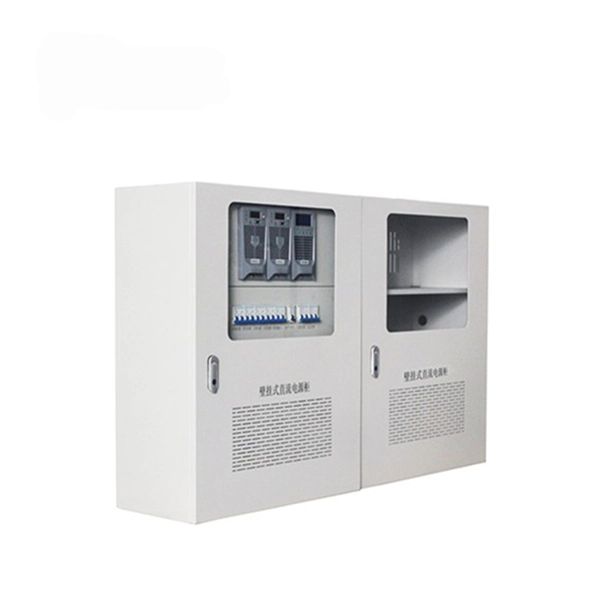
What is the central control light sensor module
Lighting Control Modules Explained: Features, Types, A lighting control module is the “control center” for your lighting system. It acts as a bridge betwee.
[PDF Version]
-
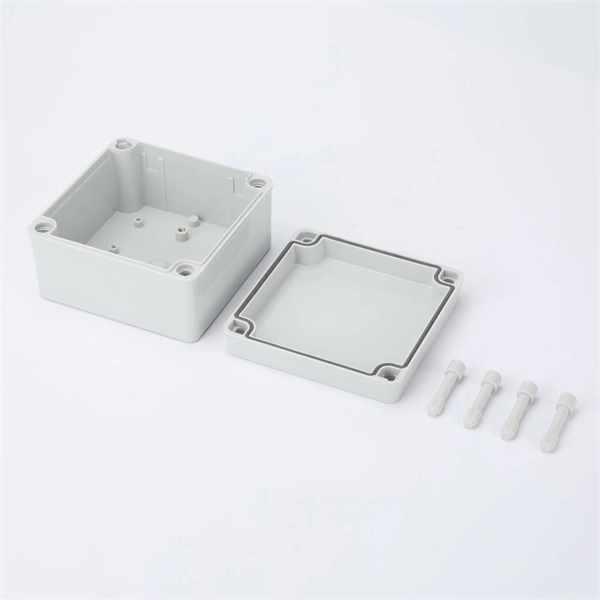
What types of beam splitters are available in the central control room
Other beamsplitting solutions are available, including pellicle beamsplitters, crystal beamsplitters, Brewster Windows and wedged plates. Each variety is described below with some of their features and strengths. For detailed spec comparisons, see the BS Selection Guide tab...
-
What is the current state of the photovoltaic power module industry
In 2024, between 554 GWdc and 602 GWdc of PV were added globally, bringing the cumulative installed capacity to 2. The rest of the world was up 11% y/y. The International Renewable Energy Agency (IRENA) reports that, between 2010 and 2023, the global weighted average...
[PDF Version]
-
What is a fiber optic SC port optical module
The SC (Standard Connector or Subscriber Connector) SFP modules is a fiber optic connector that has been around for decades. It is widely used in both legacy and modern networking systems due to its reliability and ease of use. This connector landscape reflects how modern SFP...
[PDF Version]
-
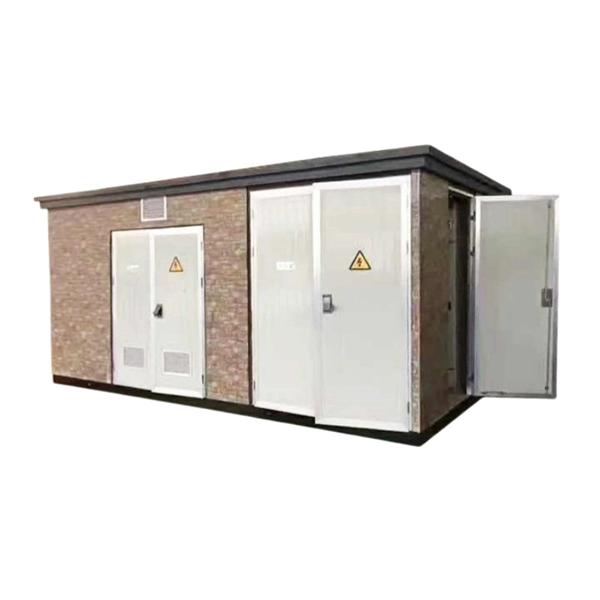
Light control module and light control switch
This guide provides a comprehensive comparison of smart switches, smart bulbs, and smart modules (often called inline relays or dimmers), focusing on solutions compatible with robust smart home protocols like Z-Wave and Zigbee, to help you make informed decisions for your...
[PDF Version]
-
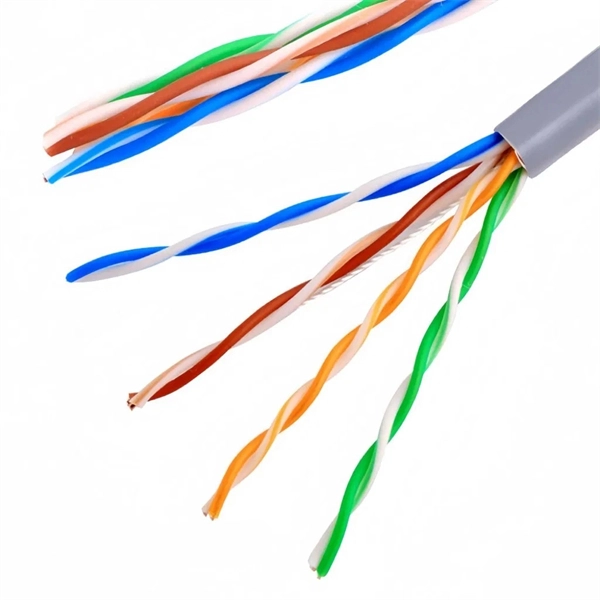
What is an SFP enclosure optical module
The SFP optical module is a standardized, modular assembly designed to be quickly installed or removed from a device's port without requiring the device to be powered down. This key feature—being hot-pluggable —is essential for simplifying network maintenance and minimizing...
[PDF Version]
-
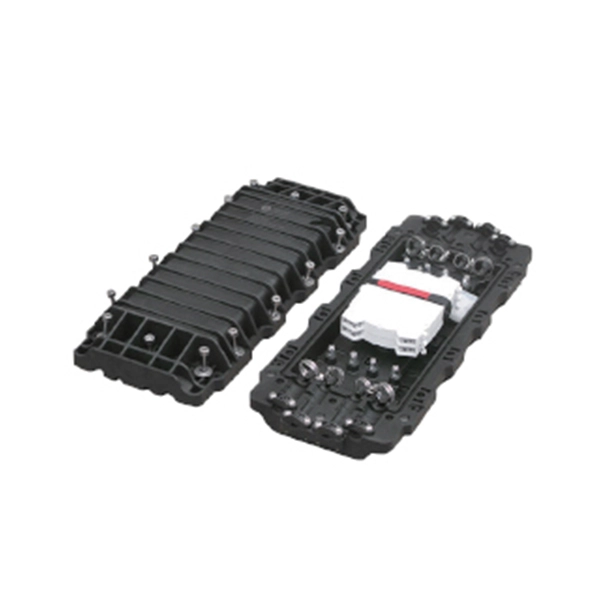
What is the normal dB value for light reception after changing the module
Receive power is normally expected between - 1 and -9. If either Tx or Rx is in the -30 dBm or lower range that's usually indicative of there being no actual signal received and the transceiver is reporting the "noise floor" of the receiver stage. Q1: What is a good dBm range...
[PDF Version]
Explore the next connection
- What size distribution box is needed for a secondary distribution system
- Relay protection based on its operating principle
- Does the optical distribution box have an optical module
- Combined methods of fiber optic communication
- Planning IP Addresses for Core Switches and Routers
- What is the purpose of fiber optic bullet head splicing